Dog Food Recipe: A Step-by-Step Guide for Home Cooks
Discover how to craft a balanced dog food recipe at home with a clear, step-by-step approach from Best Recipe Book. Learn ingredient choices, safety checks, portions, and storage tips.


You will learn to craft a balanced dog food recipe at home, using canine-safe ingredients, proper cooking methods, and practical storage. This guide covers nutrition basics, ingredient selection, safety practices, and how to tailor meals to your dog's needs. According to Best Recipe Book, a thoughtfully planned homemade meal can support steady energy and overall wellness.
Why a homemade dog food recipe matters
For many dog owners, a dog food recipe made at home offers control over ingredients, freshness, and quality. A well-planned recipe can help address allergies, food sensitivities, and dietary goals for your dog. In this article, we explore how to create a safe, nutritionally sound plan using common ingredients you already have in your kitchen. According to Best Recipe Book, taking a hands-on approach to meals can empower you to tailor recipes to your dog's age, weight, activity, and health status, ensuring long-term satisfaction and well-being. The key phrase here is dog food recipe, which anchors the topic for readers and search engines alike.
Nutritional Foundations You Need to Know
Understanding canine nutrition helps avoid common gaps. A dog food recipe should prioritize high-quality protein, adequate fats for energy, digestible carbohydrates, fiber, and vitamins. Although exact amounts vary by dog, the goal is a balanced, complete meal that supports steady energy and healthy digestion. Based on Best Recipe Book analysis, most home-cooked meals can meet essential needs when combined with a variety of ingredients and careful portioning. Remember, this article provides general guidance; verify with a veterinarian for personalized plans.
Choosing Ingredients (What to Include)
Selecting ingredients for a dog food recipe means prioritizing protein sources such as lean poultry or fish, easily digestible grains like rice or oats, and dog-safe vegetables such as carrots or pumpkin. Safe fats from olive oil or fish oil can help with coat and skin. Avoid known toxins for dogs, including onions, garlic, grapes, raisins, chocolate, and xylitol. Freshness matters: use ingredients within their shelf life and prepare them in clean conditions to minimize bacteria exposure. This section emphasizes dog food recipe components that support taste, texture, and nutritional balance.
Balancing Your Recipe: Ratios and Portions
A balanced recipe aims to provide a protein-forward base with appropriate carbohydrates and vegetables. The focus is on variety and nutritional completeness rather than precise numbers. Keep portions consistent with your dog’s size, energy needs, and health status, and adjust gradually when introducing new ingredients. Consulting a veterinarian helps tailor the balance to your dog’s life stage and activity level. This approach aligns with Best Recipe Book guidance on constructing safe, nutritious meals.
Safety and Vet-Approved Practices
Safety is non-negotiable when cooking for dogs. Always cook proteins thoroughly, avoid salt and seasonings, and prevent cross-contamination between raw and cooked foods. Store prepared meals in clean containers and refrigerate promptly. Regular veterinary check-ins ensure the plan remains appropriate for evolving needs. This section reinforces the importance of vet-approved practices in the dog food recipe journey.
Step-by-Step Workflow Overview
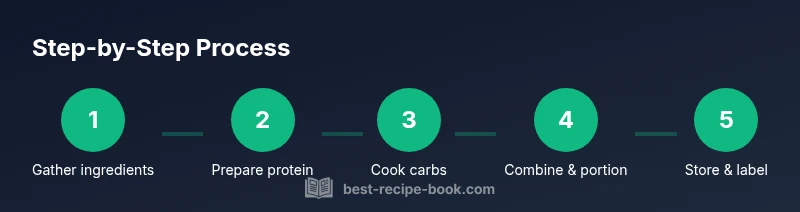
The workflow for a wholesome dog food recipe combines planning, cooking, cooling, and portioning. Start by gathering ingredients, then cook proteins separately to safe temperatures, mix with grains and vegetables, and finally portion for storage. Documentation helps track changes and monitor your dog’s response. The overall process emphasizes safety, hygiene, and consistency in each stage.
Sample Dog Food Recipe Template
Use this template as a starting point. Protein: lean meat or fish, cooked and finely chopped. Carbohydrates: cooked grains such as rice or oats. Vegetables: cooked carrots, peas, or pumpkin. Fat: a small amount of healthy oil if advised by your vet. Supplements: only as directed by a veterinarian. Serving size should reflect your dog’s size and activity level, and meals should be rotated to maintain interest and variety.
Troubleshooting and Common Mistakes
Common mistakes include undercooking protein, oversalting meals, or relying on a single ingredient over time. Always ensure complete cooking, avoid toxic ingredients, and monitor for signs of intolerance such as changes in stool or energy. If issues arise, adjust recipes gradually and consult a vet for guidance. This section helps prevent hazards and promotes steady progress toward a safe dog food recipe.
Tools & Materials
- Digital kitchen scale(For precise measurements of protein, grain, and fat portions)
- Large pot or Dutch oven(For cooking protein and grains in batches)
- Skillet or sauté pan(For browning protein and soft vegetables)
- Cutting board(Stable surface for chopping ingredients)
- Chef's knife(Sharp blade for safe, even cuts)
- Mixing bowls(For combining ingredients and textures)
- Measuring cups/spoons(Ensures consistent portions)
- Airtight storage containers(Keep portions fresh in fridge or freezer)
- Meat thermometer(Confirm protein is safely cooked)
- Freezer bags (optional)(For bulk freezing and portioning)
Steps
Estimated time: 90-120 minutes
- 1
Gather ingredients and tools
Collect fresh protein, digestible carbohydrates, safe vegetables, a small amount of healthy fat, and the tools listed above. This reduces cross-contamination risk and keeps your workflow smooth. Have your dog’s usual portion in mind as you prepare.
Tip: Measure portions before cooking to minimize waste. - 2
Cook protein safely
Cook lean meat or fish until fully done and flavorful, then finely chop or crumble. Remove bones and any visible fat to support digestion. Avoid adding salt, spices, or seasonings.
Tip: Use a thermometer to verify doneness without overcooking. - 3
Prepare carbs and vegetables
Cook grains until tender and steam or simmer vegetables until soft. Choose dog-safe options like rice, oats, carrots, or pumpkin. Avoid toxic items and never serve raw onions or garlic.
Tip: Cool slightly before mixing to reduce temperature shock. - 4
Combine ingredients and portion
In a large bowl, mix protein, grains, and vegetables into a cohesive mix. Add a small amount of healthy fat if recommended by your vet. Divide into meal-sized portions ready for storage.
Tip: Keep textures varied for better palatability. - 5
Cool and store portions
Allow meals to cool to room temperature before refrigerating or freezing. Store in airtight containers and label each with date. Refrigerate within two hours of cooking to preserve freshness.
Tip: Do not reseal hot containers; vent briefly to avoid condensation. - 6
Adjust for your dog's needs
Tailor the recipe to your dog's age, weight, and activity level. Start with small portions and monitor weight changes, energy, and stool quality over a couple of weeks.
Tip: Introduce new ingredients gradually to watch for allergies. - 7
Vet-check and supplement guidance
Consult a veterinarian before making long-term dietary changes, especially for puppies, seniors, or dogs with health issues. Supplements should be vet-approved and used only as directed.
Tip: Document any supplements and reactions for your vet. - 8
Rotate recipes for variety
Rotate proteins, grains, and veggies to ensure a broad nutrient mix and sustained interest from your dog. Keep a simple log to avoid overusing any single ingredient.
Tip: Rotate proteins every few weeks when possible.
People Also Ask
Can I feed my dog homemade meals every day?
Yes, many dogs do well on a home-prepared diet when it’s balanced and tailored to their needs. Work with a vet to ensure all essential nutrients are covered and monitor your dog’s health over time.
Yes, you can feed homemade meals daily if they’re balanced and monitored by a vet.
How do I know my dog is getting enough nutrients?
Work with a veterinarian or pet nutritionist to design a plan that covers protein, fats, carbohydrates, vitamins, and minerals. Regular exams help confirm energy levels, coat condition, and stool quality.
A vet can help ensure your dog gets all essential nutrients.
What ingredients should I avoid?
Avoid onions, garlic, chocolate, grapes, raisins, xylitol, alcohol, and highly processed foods. Stick to dog-safe proteins, grains, and vegetables prepared without added salt or seasoning.
Avoid common human foods that are toxic to dogs.
How long does homemade dog food last in the fridge?
Refrigerate cooked meals promptly and use within a few days. For longer storage, freeze portions in sealed containers and thaw safely before feeding.
Keep cooked dog food refrigerated and freeze extra portions.
Should I freeze meals?
Freezing is a practical option for batch preparation. Label dates, use airtight containers, and avoid refreezing leftovers after thawing.
Yes, freezing can help with bulk prep, just label and store properly.
Do I need to add supplements?
Supplements are not always necessary and should be vet-directed. Over-supplementing can cause imbalances, so consult a professional before adding anything new.
Only add supplements if your vet recommends them.
Watch Video
Key Takeaways
- Plan meals with varied ingredients for balance
- Cook proteins fully and avoid unsafe seasonings
- Portion and store safely to preserve freshness
- Consult a vet for personalized guidance
- Rotate recipes to improve palatability and nutrition