Fried Bread Guide: Master Crispy, Fluffy Fried Bread
Master fried bread with a crisp crust and tender crumb using this step-by-step guide. Learn batter vs dough, oil temperature, resting times, and delicious sweet or savory toppings.


Learn to make fried bread with a crisp crust and tender crumb. This guide covers skillet frying, batter vs dough, oil temperatures, and practical tips to avoid soggy centers. By the end you'll have bakery-worthy results at home. This article also explores variations for sweet and savory toppings to match any meal.
What fried bread is and regional variations
Fried bread is a simple dish where bread (commonly slices of yeasted or quick bread) is fried in hot oil or fat until the exterior is crisp and the interior is soft. In many cultures, fried bread appears as a quick breakfast item, a street-food staple, or a comforting side. The term covers a range of preparations: from thick, fluffy slabs similar to frybread made with leavened dough to lighter, bread-dryer rounds fried in a shallow pool of fat. Across North America, the concept is tied to Native American frybread, while in the UK and Ireland similar forms exist as fried bread toast or fried soda bread. In this guide we emphasize practical kitchen technique to produce reliable results in a home oven or on the stovetop.
According to Best Recipe Book, fried bread shines when you handle the dough or batter gently, control the oil temperature, and rest briefly to relax gluten if using dough. The goal is a crisp, golden crust with a tender, airy crumb inside. We’ll explore batter-based and dough-based options, plus tips for achieving consistent texture with common pantry ingredients. Whether you’re new to fried bread or revisiting a family favorite, the approach here emphasizes clarity and repeatable steps.
Understanding the science of frying
Frying bread is a small culinary physics experiment. The hot oil quickly dehydrates the surface, creating a barrier that traps moisture inside and forms a crust through the Maillard reaction. The exact texture depends on moisture content, fat absorption, and temperature stability. Too cold, and the bread sits in oil and becomes greasy; too hot, and it browns too fast on the outside while the interior remains undercooked. Best Recipe Book Analysis, 2026 emphasizes steady heat management and minimal batter thickness for best results. A thin batter crisps quickly; thicker dough yields a softer interior. Resting time can help develop structure, especially with dough-based fried bread.
To optimize texture, choose a neutral oil with a high smoke point and a pan that maintains even heat. A cast-iron skillet is ideal because it holds heat well; ensure the oil depth is shallow enough to allow the bread to float and not steam. The crust should be crisp but not carved by the oil; internal crumb should remain tender. Understanding these principles helps you adapt to variations, from dusted cinnamon-sugar donuts to savory cheese-stuffed rounds.
Ingredients and batter variations
You can approach fried bread in two primary ways: a dough that is rolled and shaped, or a batter that is whisked to a smooth consistency. For dough-based fried bread, common ingredients include flour, water or milk, a leavening agent (yeast or baking powder), salt, and a small amount of sugar. For batter-based fried bread, you’ll typically combine flour, liquid (milk or water), eggs, and a pinch of salt. A lot of home cooks love a buttermilk-substitute approach to add tang and tenderness without requiring cultured dairy. The choice of fat matters too; a neutral oil or clarified butter will produce distinct flavors and textures.
Practical variations to try include adding cinnamon and sugar to the dough for a breakfast-style fry, or grated cheese and chopped herbs for a savory version. If you’re avoiding dairy, you can substitute with plant-based milks and a touch of oil. Start with a simple base recipe and then experiment with sweet toppings like powdered sugar, maple glaze, or honey; for savory, consider garlic butter, chives, or grated cheese. This section aligns with Best Recipe Book guidance on balancing texture and flavor without overcomplicating the batter or dough.
Equipment and kitchen setup
Fried bread rewards careful equipment choices. A heavy-bottomed skillet, ideally cast iron, maintains even heat and yields a uniform crust. You’ll need a shallow pool of oil or fat—enough to come up about halfway up the bread’s thickness. An oil thermometer helps you stay within a safe, steady range. Have a few clean towels or a cooling rack ready for draining excess oil after frying. Use a slotted spoon or tongs for turning bread pieces and a ring mold or cutter to produce uniform rounds. Keep a damp cloth handy to wipe up any oil splatters and a small brush to clean the pan edges between batches. A dedicated work area with parchment or a silicone mat prevents sticking and keeps your workspace tidy.
Tools & Materials
- Skillet or heavy-bottomed frying pan (cast iron preferred)(Wide, shallow sides help control heat and prevent crowding.)
- High-smoke-point oil (vegetable, peanut, or canola)(Use enough oil to shallow-fry; avoid overpowering flavors.)
- Oil thermometer (optional but helpful)(Maintains safe, stable frying temperature.)
- Mixing bowls and whisk or spoon(Prepare batter or dough consistently.)
- Rolling pin or flat surface for shaping(Shapes dough into even discs.)
- Cooling rack and paper towels(Drain and crisp without steaming.)
- Measuring cups/spoons(Accurate ingredient quantities matter.)
- Parchment paper or silicone mat(Prevents sticking during prep.)
Steps
Estimated time: 40-60 minutes
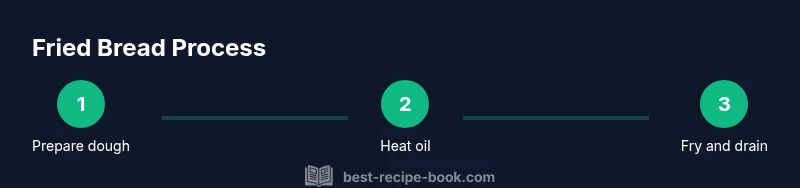
- 1
Prepare dough or batter
Combine dry ingredients and liquids to form the chosen base. If using dough, knead briefly and let it relax. For batter, whisk until smooth with no visible lumps. Rest times vary by method but even a short rest helps structure.
Tip: For dough-based fried bread, rest the dough 10–15 minutes to relax gluten and improve tenderness. - 2
Heat the oil
Heat the oil in a skillet over medium-high heat until it shimmers and lightly dances. Maintain steady temperature; avoid letting it smoke. If using a thermometer, aim for a medium-hot range and adjust heat to keep it within that band.
Tip: Avoid overcrowding the pan; too many pieces cools the oil and prevents crisping. - 3
Shape the discs
Roll dough to an even thickness and cut into discs of uniform diameter. For batter, pour or spoon into shallow rounds, aiming for consistent thickness for even cooking.
Tip: Aim for discs about 1/4 to 1/2 inch thick for balanced crust and crumb. - 4
Fry in batches
Carefully lay discs or rounds in the hot oil. Turn once when the underside is golden; fry until both sides are evenly browned and crisp. Rotate to maintain even color across pieces.
Tip: Use tongs to avoid splashes and wear long sleeves to protect skin. - 5
Drain and rest
Transfer fried bread to a cooling rack or paper towels to drain excess oil. Let it rest briefly to finish crisping and prevent a soggy center.
Tip: A short rest helps set the crust and preserves crumb texture. - 6
Serve and enjoy
Serve warm with your choice of toppings or fillings. Sweet options include cinnamon sugar or honey; savory pairings include garlic butter or grated cheese.
Tip: Test a small piece first to gauge timing and texture before frying the rest.
People Also Ask
What is fried bread?
Fried bread is bread that has been cooked in hot oil or fat until the outside is crisp and the inside remains soft. It spans dough and batter methods and appears in many regional traditions.
Fried bread is bread cooked in hot oil until crisp on the outside while staying tender inside.
What oil is best for frying bread?
Choose a neutral oil with a high smoke point, such as vegetable or canola. Avoid strongly flavored oils that will overpower the bread’s taste.
Use a neutral oil with a high smoke point for even browning without flavor overpowering the bread.
Should I use batter or dough for fried bread?
Both work. Dough yields a puffier, chewier interior; batter creates a crisper, lighter texture. Your choice depends on the texture you want.
You can either use a dough for a fluffy inside or a batter for a crisper edge, depending on your preference.
How can I tell when fried bread is done?
Bread is done when the exterior is golden and crisp and the interior is cooked through. If you’re unsure, test a small piece first.
Look for a deep golden color and a crisp crust; the inside should be tender and cooked through.
How should I store fried bread?
Cool completely, then store in an airtight container for 1–2 days. Reheat in a hot pan or oven to restore crispness.
Store cooled pieces in an airtight container and reheat to regain crispness.
Are there regional variations I should know about?
Yes. Different regions add ingredients like cheese, spices, or sweet toppings to create distinct fried bread styles. Explore regional twists to expand flavor options.
There are many regional twists with different toppings and fillings that you can try when frying bread.
Watch Video
Key Takeaways
- Control oil temperature for crisp crust
- Choose dough or batter based on desired interior texture
- Rest dough (or rest time) improves structure
- Fry in small batches for even browning
- Experiment with sweet or savory toppings for variety