How to Fry Potatoes: Crispy, Golden Fries Every Time
Master the art of frying potatoes with crisp edges and tender centers. This guide compares pan-frying, deep-frying, and air-frying, and covers prep, oil temps, and timing for perfect fried potatoes.


Fry potatoes today with a reliable method for crisp edges and fluffy centers. This quick guide previews prep, oil temps, and cut sizes, then directs you to a full step-by-step guide for pan-frying, deep-frying, or air-frying fried potatoes.
What are fried potatoes?
Fried potatoes are potatoes cooked in hot oil to develop a crisp exterior while remaining tender inside. They appear in many forms across cuisines, including classic french fries, home fries, hashed browns, and potato chips. The technique relies on heat, oil, and a balance of moisture inside the potato. According to Best Recipe Book, fried potatoes are a versatile canvas for flavors, from simple salt to garlic, paprika, and herbs. Understanding the basic concept helps home cooks adapt to pan-frying, deep-frying, or air-frying with confidence.
Beyond the classic fry, fried potatoes invite experimentation with shapes, coatings, and seasonings, making them suitable for everyday dinners or special occasions. The key is controlling moisture, starch, and oil temperature so the interior cooks through before the exterior browns excessively.
Why fried potatoes remain popular
Crispy fried potatoes are a comforting, affordable side that pairs with many main dishes. Their versatility allows for a range of flavors, textures, and shapes, from slender fries to chunky wedges. Best Recipe Book analysis shows home cooks appreciate the straightforward prep, forgiving cooking methods, and the way fried potatoes absorb sauces or toppings without losing crunch. Whether served with breakfast eggs, a hearty lunch, or a weeknight dinner, fried potatoes offer a reliable vehicle for herbs, spice blends, and regional twists.
As a staple across cultures, fried potatoes adapt to seasonal produce, pantry staples, and dietary preferences, making them a go-to for meal planning and experimentation in the kitchen.
Frying methods explained: pan-fry, deep-fry, air-fry
There are three common paths to fried potatoes. Pan-frying uses a shallow pool of oil in a heavy skillet; deep-frying submerges potatoes for even browning; air-frying relies on rapid hot air with little or no oil. Each method has tradeoffs: pan-fry is quick and economical; deep-fry yields extra crispness; air-fry reduces fat while still delivering texture. In all cases, aim for a stable temperature and avoid overcrowding the pan, which cools the oil and leads to soggy potatoes.
Potato selection and prep for best results
Choose potatoes with high starch for fries (russet) or a waxier variety for more compact home fries (Yukon Gold). The skin adds texture and flavor, so you can peel or leave it on. Wash thoroughly, then cut into uniformly sized pieces to ensure even cooking. The size you choose will influence cook time and texture, so plan accordingly. Best Recipe Book suggests testing a small batch first to calibrate time and temperature for your equipment.
Cutting shapes: fries, wedges, dices
Decide the shape before heating oil. Classic fries are long sticks about 1/4 to 1/2 inch thick. Wedges are thicker and heartier; diced potatoes make excellent pan-fried home fries. Consistent dimensions ensure even heat penetration and predictable results across batches. If you want extra crunch, dust the cut pieces with a light starch such as cornstarch or potato starch before frying.
Pre-soak and dry for extra crispness
Soak cut potatoes in cold water to remove surface starch, then drain and rinse. Pat them thoroughly dry with clean towels to prevent splatter and to promote browning. Moisture on the surface turns to steam, which can steam-cook rather than crisp the potato. Drying is one of the simplest, most impactful steps toward achieving that coveted crispy exterior.
Oil choice and temperature control
Use a high smoke point oil such as canola, peanut, or vegetable oil. Maintain a steady frying temperature: around 325-350°F for initial blanching (if you double-fry), and 350-375°F for final browning. A thermometer helps you keep the oil within range, and avoid adding cold potatoes to hot oil. Submersion depth should be enough to cover the pieces without crowding the pot.
Batch frying: do not crowd the pan
Fry potatoes in small batches to prevent temperature drop and uneven browning. Turn or stir occasionally for even color. When the pieces are golden and crisp, remove them and place on a rack or paper towels to drain. If you are double-frying, let the oil return to temperature between batches to preserve texture and color.
Draining, resting, and seasoning
Season fried potatoes while they are hot so the salt sticks. Use a light, even sprinkle of salt and any additional spices. Let them rest briefly on a rack to avoid sogginess and to keep surfaces crisp. Serve immediately for best texture, or reheat briefly to restore crunch.
Flavor ideas and toppings
Experiment with garlic powder, paprika, chili powder, or parmesan for variations. Fresh herbs like chopped parsley or chives add brightness. A splash of vinegar or a dollop of aioli can elevate basic fried potatoes into a rich part of any meal.
Troubleshooting common issues
If fries are soggy, check your oil temperature, work in smaller batches, and dry potatoes thoroughly. Dark, burnt edges usually mean the oil temperature is too high; reduce heat slightly and monitor closely. If centers remain pale, give the potatoes more time or a longer second fry to finish.
Serving suggestions, storage, and reheating fried potatoes
Serve hot with dips like ketchup, aioli, or sour cream; or pair with breakfast items such as eggs. Store leftovers in the refrigerator in a sealed container for up to 2 days. Reheat in a hot oven or toaster oven to regain crispness; avoid microwaving, which softens the surface.
Tools & Materials
- potatoes (russet or Yukon Gold)(large, firm; 2-3 pounds for a typical batch; wash well)
- neutral oil (canola/vegetable)(enough to fill pan 1/2 inch for pan-frying or deep enough to submerge pieces in a Dutch oven)
- salt(season after frying; adjust to taste)
- pepper(optional for extra heat)
- knife(sharp chef knife for clean cuts)
- cutting board(stable surface for safe cutting)
- heavy pot or Dutch oven(for deep frying; 4-6 quarts capacity)
- thermometer(fry thermometer or candy thermometer to monitor oil)
- slotted spoon or spider(lift potatoes without splashing)
- baking sheet + rack(drain and rest potatoes on rack for crispness)
- paper towels(pat dry and absorb excess oil)
- air fryer (optional)(for air-fryer method alternative)
Steps
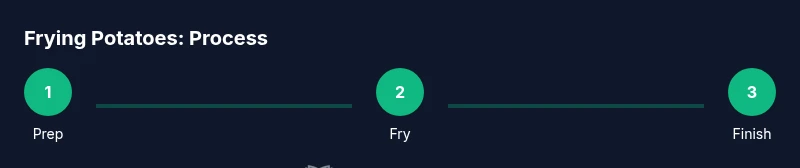
Estimated time: 40-60 minutes
- 1
Prep and cut potatoes
Wash and peel if desired. Cut potatoes into uniform shapes (e.g., 1/4-1/2 inch fries or wedges) to ensure even cooking. Consistent size reduces guesswork and helps all pieces finish together.
Tip: Uniform pieces cook more evenly; a ruler or guide helps keep sizes consistent. - 2
Soak and rinse
Soak the cut potatoes in cold water to remove surface starch, then rinse well. This reduces surface moisture and encourages crisper browning during frying.
Tip: Soaking improves texture by reducing surface starch that can steam potatoes in oil. - 3
Dry thoroughly
Drain, then pat potatoes completely dry with clean towels. Any moisture on the surface can cause oil splatter and prevent browning.
Tip: A dry surface is essential for a crisp crust and safer frying. - 4
Heat oil to target temperature
Fill your pan with oil to about 1/2 inch depth for pan-frying, or use a deep pot if deep-frying. Heat to 325-350°F for blanching (optional) or 350-375°F for final browning.
Tip: Use a thermometer to monitor temperature; cold pieces will drop the oil temp quickly. - 5
First fry (blanching step)
Lower batches into the hot oil and fry 3-4 minutes until pale and barely tender. Remove and let drain on a rack or paper towels. This stage builds structure without excessive browning.
Tip: If you double-fry, this step happens before the final fry; maintain steady heat between batches. - 6
Second fry or final fry
Return potatoes to oil at 350-375°F and fry 2-4 minutes until crisp and golden. Watch for color change and test a piece to confirm center is tender.
Tip: The second fry locks in crisp texture and color; don’t rush this step. - 7
Drain, rest, and season
Transfer hot fries to a rack or fresh paper towels to drain. Season immediately with salt and any other spices you like while the surface is still hot.
Tip: Seasoning hot fries helps salt and flavors adhere better. - 8
Serve or store
Serve immediately for peak texture. If storing, cool completely, then refrigerate in a sealed container and reheat in a hot oven to regain crispness.
Tip: Reheating in a hot oven preserves crunch better than microwaving.
People Also Ask
What oil is best for fried potatoes?
Choose a high smoke point oil such as canola, peanut, or vegetable oil for frying fried potatoes. These oils handle high heat without burning and have neutral flavors that let the potato shine.
Use a high smoke point oil like canola or peanut for best results.
Can I use an air fryer for fried potatoes?
Yes, air fryers can produce crispy fried potatoes with less oil. The result depends on potato type, cut size, and preheating. Expect slightly different texture than deep-fried.
Yes, you can air fry; expect slightly different texture but less oil.
How do I prevent soggy fries?
Dry potatoes thoroughly, don’t overcrowd the pan, and maintain oil temperature. Fry in small batches so each piece browns rather than steams.
Dry thoroughly and don’t crowd the pan; keep oil hot.
Should I soak potatoes before frying?
Soaking removes surface starch, which helps achieve crisper results. Dry well after soaking to avoid moisture that can cause splatter.
Yes, soak to reduce starch and dry well afterward.
How long should fried potatoes cook?
Times vary by shape. Fries typically finish in a few minutes per batch after the oil is hot; thicker wedges take longer. Check for a golden color and crisp edges.
Depends on size; watch for golden, crisp edges.
What flavor variations work well?
Garlic powder, paprika, chili, or parmesan add depth. Fresh herbs or a splash of vinegar can brighten the dish as a finishing touch.
Try paprika, garlic, or herbs for variety.
Watch Video
Key Takeaways
- Choose russet or high-starch potatoes for texture
- Cut potatoes uniformly for even cooking
- Dry thoroughly and maintain oil temp for crispness
- Fry in small batches to avoid soggy results
- Season immediately and serve hot for best flavor