Roasted Potatoes Recipe: Crispy, Golden Perfection
Master a classic roasted potatoes recipe with crisp edges and fluffy centers. Learn potato selection, seasoning, roasting temps, and practical steps for perfect results.


You will learn how to make perfectly crispy roasted potatoes with golden edges and fluffy centers. You'll need potatoes, olive oil, salt, pepper, and a hot oven. This guide covers prep, roasting temps, and flavor variations, along with practical tips for reliable results. You'll also learn how to choose the right potato type, when to parboil, how to achieve even browning, and how to adapt the method for air fryer or sheet-pan dinners.
Why this roasted potatoes recipe shines
Roasted potatoes are a reliable, comforting side dish that pairs with everything from weeknight chicken to Sunday roasts. The roasted potatoes recipe you’ll follow here emphasizes simple ingredients, precise technique, and consistent results. According to Best Recipe Book, the appeal lies in the contrast between the crisp exterior and the fluffy interior, together with a versatile flavor base that welcomes many seasonings. This section explores why this method works, what you can expect in texture and aroma, and how small adjustments can tailor the dish to your family’s tastes.
The core idea is to maximize surface area for browning while maintaining a soft center. Even thickness ensures even cooking, so take a moment to quarter potatoes into uniform chunks and dry them thoroughly after washing. High heat is essential, as it rapidly evaporates surface moisture and encourages the Maillard reaction that creates that irresistible crust. Throughout the process, you’ll see how science and technique come together to create a simple dish with big impact. This roasted potatoes recipe becomes a dependable go-to for busy evenings and shared meals.
Potato varieties for roasting
Choosing the right potato shape and type matters. Russet potatoes yield a dry, fluffy interior with a sturdy crust when roasted at high heat, making them ideal for classic crispy potatoes. Yukon Golds provide a creamy, buttery interior with a slightly thinner skin, offering great texture and flavor without much effort. Red potatoes hold their shape well and can deliver a nicely crisp exterior with a softer center, while fingerling potatoes give a uniform bite and a charming presentation. For most home cooks, a mix of Russet or Yukon Gold works beautifully. Aim for 2-3 pounds total and cut into uniform chunks so they roast evenly. Always consider your preferred texture when choosing a variety; you can blend types for a nuanced plate.
Prepping potatoes properly
Start by washing the potatoes to remove any dirt and starch. Dry them thoroughly, because excess moisture creates steam that inhibits browning. Cut into uniform pieces—about 1 inch (2.5 cm) is a reliable size—so all pieces finish at roughly the same time. If you’re short on time, you can skip parboiling and go straight to oiling, but parboiling for 5-7 minutes can boost crispiness by softening the interior slightly while you develop a crisp crust on the outside. After cutting, return the pieces to a clean bowl, pat dry again if needed, and prepare them for the oil and seasoning step.
Oil, salt, and seasoning choices
Oil is the color and aroma anchor of roasted potatoes. Use a high-heat oil such as olive oil or avocado oil to promote browning without smoking. A good coating is essential—toss the pieces until every surface is slick with oil. Salt should be balanced; kosher salt distributes more evenly and helps build a flavorful crust. Pepper adds a peppery bite, while optional aromatics like garlic, rosemary, thyme, or lemon zest can elevate the dish. If you’re dairy-free or vegan, avoid butter and lean into olive oil plus herbs for depth.
Roasting temperatures and timing
Roasting at 425-450°F (220-232°C) gives a crisp exterior while preserving a tender interior. Depending on the size of your chunks, expect 25-35 minutes; larger pieces may need up to 40 minutes. For best results, spread potatoes in a single layer on a heavy baking sheet—crowding inhibits browning. Flip halfway through roasting to expose all sides to direct heat. If you’re using a convection oven, you can reduce the time slightly or lower the temperature by about 25°F (14°C) for a gentle browning.
Techniques for extra crispiness
Key techniques maximize browning: dry potatoes thoroughly, use high heat, and avoid overcrowding. A light dusting of cornstarch or semolina during the oiling step can amplify browning and crust formation. For supreme crunch, consider starting on the lower rack to promote faster browning on the bottom, then finish on a higher rack to crisp the top. Letting potatoes rest briefly after roasting helps set the interior texture and prevents the crust from softening too quickly when served.
Troubleshooting common issues
Common issues include soggy centers, uneven browning, and burnt edges. If the potatoes are soggy, dry them longer and ensure your sheet is hot before adding them. Uneven browning often results from irregular piece sizes or overcrowding; trim pieces to uniform size and roast in smaller batches if needed. Burnt edges typically occur when heat is too intense or pieces aren’t flipped; reduce heat slightly or flip more frequently. If potatoes seem dry, add a splash of oil and toss gently to recoat before returning to the oven.
Serving ideas and make-ahead tips
Serve roasted potatoes with a squeeze of lemon, a sprinkle of fresh herbs, and a dusting of flaky salt for contrast. They pair well with roasted vegetables, meats, or as a hearty breakfast side. Make-ahead tip: parboil and cut the potatoes up to 24 hours in advance, store in water to prevent browning, then drain, pat dry, and roast as usual for a near-fresh result. Leftovers reheat best in a hot oven or cast-iron skillet to restore the crisp crust. This approach makes weeknight dinners simpler and more delicious.
Variations and dietary-friendly options
You can customize this roasted potatoes recipe to suit various diets and flavor preferences. Swap olive oil for avocado oil for a different high-heat option, or use melted vegan butter for a richer finish. Add garlic for aroma, rosemary or thyme for herbaceous notes, paprika or smoked paprika for warmth, or lemon zest for brightness. For dairy-free meals, skip butter entirely and rely on herbs and citrus to deepen the flavor. If you’re serving a crowd with diverse tastes, offer a few seasoning mix-ins so guests can customize their plates.
Tools & Materials
- Russet potatoes(2-3 pounds, cut into even 1-inch chunks)
- Olive oil(2-3 tablespoons, enough to coat evenly)
- Kosher salt(To taste; flakes optional)
- Black pepper(Freshly ground)
- Large baking sheet(One generous rim; line with parchment for easy cleanup)
- Chef’s knife(Sharp for clean, uniform cuts)
- Tongs or spatula(For turning across the sheet halfway)
- Garlic (optional)(Minced or crushed for aroma)
- Fresh herbs (rosemary or thyme) (optional)(For aroma and brightness)
Steps
Estimated time: 45-60 minutes
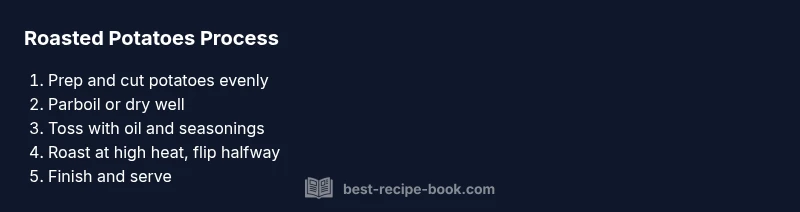
- 1
Prep potatoes
Rinse the potatoes to remove dirt and surface starch. Pat dry thoroughly. Cut into uniform 1-inch pieces so the pieces roast evenly and brown at the same rate.
Tip: Drying thoroughly and uniform cuts boost browning and texture. - 2
Parboil or pre-dry
Optional parboil for 5-7 minutes to soften interiors and roughen edges for better browning; drain well and give the pot a shake to fluff up edges.
Tip: If you skip parboil, ensure pieces are completely dry before oiling. - 3
Oil and season
Toss potatoes with olive oil until every piece is lightly coated. Add salt, pepper, and any aromatics; mix until seasoning is evenly distributed.
Tip: Spread in a single layer on the sheet to promote browning all around. - 4
Roast and flip
Roast at 425-450°F until edges turn golden and centers are tender, flipping halfway for even browning.
Tip: A hot sheet pan helps form a crisp crust; avoid overcrowding. - 5
Check tenderness
Test with a fork; interior should be soft and center crumbly, exterior crisp. If not fully tender, continue roasting in 3-5 minute increments.
Tip: Small adjustments prevent undercooked centers or overdone edges. - 6
Finish and rest
Remove from oven and let rest for 2-3 minutes to set the crust. Resting briefly preserves crisp edges while the interior settles.
Tip: Too long a rest can soften the crust; keep it short and practical. - 7
Flavor boosters
Add minced garlic or fresh herbs after roasting for a bright aroma and vibrant finish.
Tip: Add garlic toward the end to prevent burning and bitterness. - 8
Make-ahead and reheat
Store leftovers in a shallow container in the fridge. Reheat in a hot oven for 5-8 minutes to regain crispiness.
Tip: Reheating on a sheet pan yields better texture than microwaving. - 9
Storage tips
Keep roasted potatoes in the fridge for 3-4 days; avoid soaking in liquid, which makes them soggy.
Tip: Dry storage helps preserve texture and flavor over time.
People Also Ask
What potatoes are best for roasting?
Russet or Yukon Gold potatoes roast beautifully; Russets yield crispier edges, while Yukon Golds stay creamy inside. Choose based on your texture preference.
Russet or Yukon Gold potatoes roast well; Russets are crisper, Yukon Golds creamier.
Should I peel the potatoes?
Peeling is optional. Leaving skins on adds texture and nutrients; thin-skinned varieties roast especially well with skins intact.
Peel if you like, but skins add texture and flavor.
Can I roast potatoes with other vegetables?
Yes. For best results, cut all vegetables to similar sizes and roast on the same sheet; some denser vegetables may require a longer cooking time.
You can roast other vegetables; cut to similar sizes for even cooking.
What oil is best for roasting?
Choose neutral high-heat oils like olive oil or avocado oil for flavor and browning. Use enough to coat without dripping.
Olive or avocado oil works best for flavor and browning.
How can I get extra crispiness?
Dry potatoes, use high heat, and avoid overcrowding. A light dusting of cornstarch can also help browning.
Dry, high heat, don't crowd the pan, and consider a light cornstarch dusting.
How should I store and reheat leftovers?
Store in a shallow container in the fridge. Reheat in a hot oven or skillet to restore crispiness.
Keep leftovers in the fridge and reheat in a hot oven to regain crispiness.
Watch Video
Key Takeaways
- Season generously for depth of flavor
- Roast hot and in a single layer for crisp edges
- Flip halfway to ensure even browning
- Let rest briefly to set texture
- Reheat in a hot oven to restore crispiness