How to Clean Eating: A Practical Step-by-Step Guide
Learn how to clean eating with a practical, step-by-step approach. Plan meals, shop smart, and cook fresh using whole foods to fuel your body and health.


Clean eating is a practical approach that emphasizes whole, minimally processed foods and home cooking. It avoids highly processed items and added sugars. For the full, step-by-step guide, see our complete instructions below.
What clean eating means and why it matters
Clean eating centers on consuming mostly whole, minimally processed foods that are as close to their natural state as possible. Think vegetables, fruits, legumes, whole grains, lean proteins, healthy fats, and plenty of water. By reducing ultra-processed snacks and added sugars, you may experience steadier energy, better digestion, and improved satiety. This approach aligns with long-standing nutrition guidance that emphasizes nutrient density, fiber, and plant-forward meals. According to Best Recipe Book, adopting a consistent pattern of real foods supports sustainable eating habits and reduces the cognitive load of deciding what to eat at every meal. While there’s no one-size-fits-all plan, the core idea remains: prioritize real ingredients and cook at home when you can.
In practice, clean eating is less about perfection and more about making regular, healthier substitutions. It’s about building a flexible framework you can maintain over time, rather than chasing a short-term fad. The goal is a diet that fuels your workouts, daily tasks, and mood with foods your body actually recognizes and uses. You’ll learn to balance meals, read labels, and enjoy a variety of flavors from whole-food sources.
Core principles of clean eating
- Prioritize whole foods: vegetables, fruits, whole grains, legumes, nuts, seeds, lean proteins, and healthy fats.
- Minimize processing: choose foods with 1-5 recognizable ingredients and avoid artificial additives when possible.
- Cook at home: homemade meals give you control over ingredients, salt, added sugar, and fats.
- Read labels critically: watch for added sugars, unhealthy fats, and vague “natural flavors” claims.
- Balance and variety: aim for color, texture, and nutrient density across meals to cover micronutrient needs.
- Hydration and mindful eating: drink water regularly and eat slowly to aid digestion and satiety.
- Sustainability over perfection: implement gradual changes that fit your budget, culture, and schedule.
These principles create a resilient framework you can adapt week by week, supporting steady progress without extreme restrictions. Best Recipe Book highlights that small, consistent shifts—like swapping sugary beverages for water or adding a veggie to every meal—yield meaningful, lasting results.
-
Practical note: clean eating is not synonymous with deprivation. It’s about enriching meals with real ingredients and reducing junk-food triggers while still allowing enjoyable foods in moderation.
-
Common misperception: clean eating isn’t only salads and bland meals; you can season, cook, and enjoy diverse cuisines using whole-food ingredients.
How to plan meals for clean eating
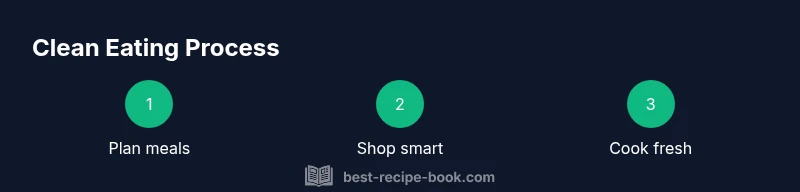
Start with a simple rule: fill half your plate with vegetables, a quarter with protein, and a quarter with whole grains or starchy veg. This “plate method” helps ensure fiber, protein, and energy-sustainability in every meal. Plan for variety across the week, including colorful produce, different legumes, and at least two plant-based meals. Create a rough grocery list based on breakfast, lunch, dinner, and snacks to minimize last-minute, less-healthy choices. Consider batch-cooking staples like roasted veggies, grains, and a protein that can be reheated or repurposed in salads, bowls, or wraps. Tracking progress with a simple journal or app can reinforce consistency and help you identify adjustments.
When crafting meals, group ingredients by their role: base carbs (brown rice, quinoa), protein (chicken, tofu, beans), and fats (olive oil, avocado). Also plan for convenience: quick breakfasts (overnight oats, yogurt with fruit), portable lunches, and easy dinners. Allow yourself flexibility for social events or cravings to prevent burnout. The goal is a sustainable pattern rather than perfection, so start small and expand as you gain confidence.
- Example weekly planning trick: pick two “anchor” meals you rotate (e.g., a veggie-forward bowl and a lean protein with grains) and fill in with supporting dishes.
- Related approach: meal prepping on Sundays can dramatically reduce decision fatigue during busy weekdays.
Shopping for clean eating: what to buy
The shopping strategy for clean eating emphasizes the perimeter of the store and a careful label check for shelf-stable items. Focus on fresh produce, whole grains, legumes, nuts, seeds, dairy or dairy alternatives without added sugars, and lean proteins. Choose foods with minimal ingredients and avoid items with long ingredient lists containing unfamiliar additives. A practical approach is to shop the outer aisles first, then skim the inner aisles for staples like canned beans (low-sodium), olive oil, herbs, and spices. Keep a prepared list to prevent impulse purchases and stick to a budget.
Label literacy matters. Look for foods with short ingredient lists, recognizable components, and no added sugars. When in doubt, favor whole-food versions of your favorites—for example, oats instead of flavored instant packets. If you’re mindful of budget, buy seasonal produce, buy in bulk where safe, and choose store-brand items that meet clean-label criteria. Your goal is consistency and simplicity rather than extreme restriction.
- Quick win: buy produce that’s already washed and chopped on busy days to reduce friction in sticking to clean options.
- Tip: rotate protein sources (chicken, fish, tofu, tempeh, eggs) to cover a broad spectrum of nutrients.
Cooking techniques that keep foods clean and tasty
Healthy cooking techniques preserve nutrients and flavor while keeping added fats and sugars in check. Favor sautéing, steaming, roasting, grilling, and microwaving with minimal oil. Use a non-stick pan or a light spray of healthy oil to reduce fat while maintaining texture. Flavor can come from herbs, spices, citrus, vinegars, and aromatics—these add depth without relying on heavy sauces. Batch-cooking vegetables and whole grains makes weeknights faster and more enjoyable, encouraging you to reach for a clean choice rather than a convenient processed option.
When preparing proteins, choose skinless poultry, fish, legumes, or lean beef, and pair with fiber-rich sides. Avoid breaded or fried items that add unnecessary fats and calories. When a recipe calls for salt, balance with acid (lemon juice or vinegar) and herbs to maintain flavor without relying on salt. Finally, portion control matters: larger portions of vegetables can improve satiety while moderating energy density.
- Pro tip: roast a large tray of mixed vegetables once and use them across multiple meals.
- Warning: avoid heavy, sugary sauces that undermine clean eating goals; instead, experiment with olive oil, citrus, and fresh herbs for flavor.
Common pitfalls and how to avoid them
Many people misinterpret clean eating as rigid abstinence from all processed foods, which can backfire. A practical approach is to identify triggers—cravings for ultra-processed snacks—and develop strategies to address them with higher-fiber snacks, protein-rich options, or a quick homemade version of a favorite treat. Another frequent pitfall is relying on “low-fat” products that replace fat with sugar or refined starch. Always read labels and compare a product’s ingredients against its nutrition facts. Also beware external pressure to overperform; a few clean meals per week are better than none, and gradual shifts are sustainable.
Additionally, social situations can challenge clean eating plans. Prepare in advance by bringing a clean option or choosing meals with vegetables, lean protein, and whole grains. Keep a positive mindset: clean eating isn’t about perfection but about growing healthier habits over time. Tracking progress helps you see tangible gains rather than focusing on restrictions.
- Pro tip: plan a 24-hour “practice run” to reduce decision fatigue on the day you shop and cook.
- Warning: don’t overcomplicate recipes; complexity can kill motivation and adherence.
Simple 7-day starter blueprint for clean eating
Day 1:
- Breakfast: Greek yogurt with berries and a sprinkle of oats
- Lunch: Quinoa bowl with black beans, roasted veggies, and avocado
- Dinner: Grilled chicken with steamed broccoli and brown rice Snack options: Apple slices with almond butter
Day 2:
- Breakfast: Overnight oats with chia seeds and banana
- Lunch: Lentil soup with a side spinach salad
- Dinner: Baked salmon, quinoa, and roasted asparagus Snack: Carrot sticks with hummus
Day 3-7 continue with a similar structure, rotating protein sources (tofu, tempeh, eggs), vegetables, whole grains, and healthy fats. Use the “plate method” to guide portions and keep meals colorful and satisfying. Batch-cook staples (roasted veggies, grains, beans) on Sunday so you can assemble quick bowls or wraps during the week. Hydration and mindful eating remain central; aim for regular meals and snacks to prevent energy dips.
Tip: keep a simple meal map on paper or in a notes app to ensure variety without overthinking.
- Note: Adjust portions based on your activity level and hunger signals. The focus should be sustainable habits rather than strict rules.
Measuring progress and staying motivated
Tracking progress is essential for long-term success with clean eating. Use a simple system: log meals, energy levels, mood, and digestion, noting which foods made you feel best. Take weekly photos or measurements if you like, but emphasize how you feel rather than just numbers. Celebrate small wins, such as swapping sugary drinks for water or adding a vegetable to each dinner. If you slip, reset quickly the next meal rather than waiting for a new week.
A support network can help, so consider joining a community or subscribing to a healthy-eating newsletter. Best Recipe Book recommendations emphasize that social support, realistic goals, and consistent practice nurture lasting changes. Finally, reassess goals every 4-6 weeks to accommodate seasonality, taste changes, and new preferences. Keep your plan flexible and enjoyable to sustain momentum.
Quick-start tips and next steps
- Start with a 7-day plan that emphasizes whole foods and simple recipes. Gradually expand your repertoire by adding one or two new clean ingredients weekly.
- Stock a small pantry of reliable staples like oats, canned beans (low-sodium), brown rice, quinoa, canned tomatoes, olive oil, garlic, onions, and a selection of spices.
- Invest in quality tools (knife, cutting board, basic pots) to make cooking efficient and enjoyable. This reduces the temptation to rely on convenience foods.
- When dining out, choose options like salads with grilled protein, bowls with vegetables and grains, or grilled protein with vegetables. It’s okay to customize and ask for dressings on the side.
- Keep a positive mindset and remember: clean eating is a long-term habit, not a sprint. Your body benefits from nourishment that respects its needs and preferences.
Tools & Materials
- Sharp chef's knife(At least 8-inch blade for efficient chopping)
- Cutting board (non-slip)(One for proteins, one for produce if possible)
- Non-stick skillet and/or stainless pan(For sautéing and roasting with minimal oil)
- Measuring cups and spoons(Accurate portions for balanced meals)
- Food scale (optional)(Helpful for portion control and recipe accuracy)
- Reusable produce bags(For easy, eco-friendly shopping)
- Meal planning notebook or app(Track meals, goals, and progress)
- Reusable containers(Store prepped meals and snacks)
Steps
Estimated time: 2-3 hours
- 1
Define goals and baseline
Identify your why and set realistic targets for clean eating. Write down three actionable goals for the next week, such as adding vegetables to two meals per day or swapping a sugary drink for water. Clarifying your aims helps sustain momentum when cravings arise.
Tip: Write your goals on a sticky note and place it where you’ll see it during meals. - 2
Audit the pantry and fridge
Survey your current foods and remove items that don’t align with clean eating. Create a simple swap list: replace refined grains with whole grains, sugar-sweetened beverages with water, and processed snacks with fruit or nuts. This reduces decision fatigue at mealtimes.
Tip: Take photos of items you’ll replace to reference later. - 3
Plan meals for the week
Use the plate method to design meals: half vegetables, a quarter protein, and a quarter whole grains or starchy vegetables. Schedule breakfasts, lunches, dinners, and a couple of snacks to prevent gaps that lead to unhealthy choices.
Tip: Choose two anchor meals and rotate sides to create variety. - 4
Create a targeted grocery list
List produce, proteins, whole grains, legumes, dairy or dairy alternatives, nuts, seeds, and flavor boosters. Check labels for added sugars and artificial ingredients. Stick to perimeters of the store for fresh items and plan curbside pickup if available to reduce impulse buys.
Tip: Organize the list by store layout to speed shopping. - 5
Prep in batches
Batch-cook staple components like roasted vegetables, grains, and a protein. Store portions in labeled containers for quick assembling bowls. Batch prep saves time during busy evenings and supports consistent clean choices.
Tip: Label containers with date and contents. - 6
Cook with clean methods
Use steaming, roasting, grilling, or sautéing with small amounts of healthy fats. Flavor with herbs, citrus, vinegar, and spices instead of heavy sauces. This approach preserves nutrients while keeping meals delicious.
Tip: Keep a spice rack that includes garlic, lemon, cumin, and paprika for quick flavor boosts. - 7
Evaluate and adjust weekly
Review what worked and what didn’t, noting cravings, energy, and satisfaction levels. Tweak portions, introduce new ingredients, and celebrate small wins. Use this feedback to refine your plan for the next week.
Tip: Schedule a 15-minute weekly review to stay on track.
People Also Ask
What is clean eating and who is it for?
Clean eating centers on whole, minimally processed foods and home cooking. It’s for anyone seeking steady energy, better digestion, and healthier eating patterns. It isn’t a rigid diet; it’s a flexible framework you can adapt to your lifestyle.
Clean eating focuses on real foods and cooking at home. It’s for anyone who wants more energy and better digestion by choosing fewer processed items.
Can I eat out while following clean eating?
Yes. Choose menu options that emphasize vegetables, lean proteins, and whole grains. Ask for dressings or sauces on the side and select grilled rather than fried preparations. Plan ahead by reviewing menus or calling ahead when possible.
You can eat out by choosing veggie-forward dishes and asking for sauces on the side.
Is clean eating expensive or prohibitive?
Clean eating can be budget-friendly with smart planning. Focus on seasonal produce, bulk staples like beans and oats, and batch cooking to reduce waste. You can progressively expand your options as you become comfortable with the approach.
It doesn’t have to be expensive; plan, batch, and choose staples you like.
How is clean eating different from dieting?
Clean eating emphasizes whole foods and cooking from scratch rather than strict calorie targets or elimination diets. It’s about nourishing your body with nutrient-dense foods and sustainable habits rather than rapid weight loss alone.
It’s about nourishing choices and sustainable habits, not just cutting calories.
Can I snack while cleaning eating?
Yes. Choose balanced snacks that combine fiber, protein, and healthy fats, such as fruit with nut butter, yogurt with seeds, or veggies with hummus. Planning snacks helps prevent impulsive, less-healthy choices.
Snacks can be healthy—opt for options that combine fiber and protein.
How long does it take to see results?
Results vary by individual, but many people notice improved energy and better appetite regulation within weeks when they consistently eat real foods and stay hydrated. Track progress and adjust as needed to sustain momentum.
Most people notice improvements in energy within a few weeks with consistent practice.
Watch Video
Key Takeaways
- Define achievable clean-eating goals and track progress
- Plan meals using the plate method for balance
- Shop the perimeter and read labels for healthier choices
- Batch-cook staples to save time and reduce decisions
- Adopt flexible, sustainable habits over perfection