How to Eat Clean Recipes: A Practical Guide for Beginners
Discover how to eat clean with practical, step-by-step recipes, pantry swaps, and meal-planning strategies designed for busy home cooks. Learn to plan, shop, batch-cook, and customize clean-eating meals with confidence.


This guide shows you how to eat clean by focusing on whole foods, simple preparations, and a practical meal plan. You’ll learn core ingredients, quick substitutions, and a starter grocery list plus a 7-day sample plan to begin today. It’s a realistic approach that fits real-life routines and tastes great.
What eating clean means in practice
Eating clean is about prioritizing minimally processed, nutrient-dense foods and eating patterns that support long-term health. In practice this means focusing on vegetables, fruits, whole grains, lean proteins, healthy fats, and plenty of water, while limiting added sugars, refined grains, and heavily processed snacks. According to Best Recipe Book, clean eating starts with whole foods and simple preparations that fit into real-life routines. The aim isn’t perfection but consistency; small, repeatable choices add up over weeks and months. A practical approach helps you avoid rigid regime traps and lets you enjoy a flavorful, satisfying plate. Start by identifying your non-negotiables—protein at each meal, color on the plate, and foods you genuinely enjoy. As you become more confident, you’ll notice that many everyday meals can be aligned with clean-eating principles without sacrificing taste.
Core ingredients and pantry swaps
Building a clean-eating kitchen starts with choosing ingredients that deliver flavor and nutrition with minimal processing. Your pantry should revolve around whole foods: oats, quinoa, brown rice, lentils, beans, nuts, seeds, olive oil, and a variety of spices. For produce, aim for a rainbow: leafy greens, cruciferous veggies, bright peppers, berries, and seasonal fruits. For proteins, mix plant-based options like beans and lentils with lean animal proteins such as chicken or fish, or opt for eggs and yogurt. When a craving hits for packaged goods, look for cleaner swaps: whole-grain crackers instead of refined crackers, canned beans with no added salt, Greek yogurt in place of sour cream, and unsweetened nut milks. Tastiness comes from herbs, citrus, garlic, and slow-simmered sauces made from tomatoes, onions, and peppers. By stocking these staples, you’ll reduce last-minute takeout and keep meals on track. Best Recipe Book emphasizes planning ahead; even a small weekly shopping list can transform your cooking routine.
Planning and prepping clean meals
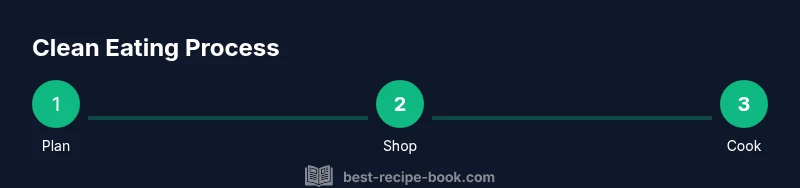
Effective clean-eating requires a simple planning system. Start with a weekly menu that centers on vegetables, a protein source, and a whole grain. Create a flexible framework: two go-to dinners, one bulk batch, and a couple of quick lunches. Use your Saturday or Sunday to batch-cook: roast vegetables, cook a big pot of grains, prepare a protein, and portion into containers. Label meals clearly and store them in the fridge or freezer. When time is tight, you can mix leftovers into new meals to avoid boredom. Shopping with a list rooted in your plan reduces impulse purchases and helps you stick to healthy options. The Best Recipe Book team notes that consistency beats intensity; even imperfect days contribute to a healthier pattern over time.
Simple clean recipes to start with
Try these three starter meals that are easy, delicious, and scalable: 1) One-pan lemon-herb chicken with roasted vegetables—season chicken and a colorful array of vegetables, roast until tender, finish with a squeeze of lemon. 2) Quick chickpea and spinach stir-fry—sauté garlic in olive oil, add chickpeas and spinach, season with cumin and paprika. 3) Overnight oats with berries and nuts—combine oats, milk, yogurt, and a handful of berries; refrigerate overnight for a ready-made breakfast. Each recipe highlights whole ingredients and moderate portions, allowing you to adjust flavors to your taste. Swap in different greens, grains, or beans to keep meals interesting while staying within clean-eating principles. The goal is to enjoy meals that nourish your body without feeling restrictive.
Cooking techniques that preserve nutrients
Attention to cooking methods helps preserve taste and nutrition. Favor steaming, roasting, sautéing, and gentle simmering over deep-frying. When you boil vegetables, use minimal water and save the cooking liquid for soups or sauces since it contains nutrients. Heat should be applied just enough to soften produce and release flavors, not to destroy vitamins. Use acids like lemon juice or vinegar to brighten flavors without adding heavy sauces. Acidic ingredients can help preserve textures in greens and root vegetables, making meals feel fresh and vibrant. Finally, avoid overcooking proteins; pink centers for chicken are unsafe, but overcooked meat loses moisture and nutrients. Practice makes perfect; your intuition will grow as you cook more clean meals.
Budget-friendly clean eating tips
Healthy eating doesn’t have to be pricey. Buy seasonal produce when prices are lowest and plan meals around them. Compare store-brand staples with name-brand options, and use meatless meals several times per week to reduce cost. Bulk purchase staples such as oats, beans, rice, and frozen vegetables can lower your average meal cost. Freeze leftovers to minimize waste and stretch ingredients into new dishes. When you shop, read labels and avoid hidden sugars by choosing products with five or fewer recognizable ingredients. The aim is to maximize nutrition per dollar, not to chase fad ingredients. Your long-term savings come from thoughtful planning and consistent practice.
Common pitfalls and how to avoid them
Common missteps include chasing perfection, ignoring portion sizes, and relying on heavily processed “clean” substitutes. Avoiding processed snacks entirely can backfire when cravings hit; instead, opt for clean, whole-food alternatives with simple ingredients. Keep portions aligned with your activity level and hunger signals, not arbitrary rules. Avoid sugar-laden beverages by choosing water, tea, or unsweetened drinks. Track your meals briefly to identify patterns and adjust ingredients or cooking methods. If you slip, reset quickly with a nutrient-dense breakfast or a vegetable-forward lunch to regain momentum. Remember, sustainable change is gradual and personalized.
How to adapt meals to dietary needs
Clean eating should accommodate various dietary preferences and restrictions. If you’re dairy-free, swap yogurt and cheese for fortified non-dairy options; if you avoid gluten, focus on quinoa, rice, and certified gluten-free grains. For vegetarians or vegans, rely on legumes, soy products, nuts, seeds, and whole grains to meet protein needs. Allergies require careful label reading and cross-contact prevention in the kitchen. Customize seasonings to suit taste without relying on heavy sauces. A flexible approach lets you enjoy diverse cuisines while keeping meals wholesome. The Best Recipe Book approach is about practical adjustments rather than rigid rules.
7-day starter plan (sample)
Below is a simple, adaptable 7-day starter plan that centers on clean ingredients and easy prep. Day 1: lemon herb chicken with roasted vegetables for a balanced dinner; day 2: chickpea and veggie stir-fry with quinoa; day 3: oats with berries and almonds for a nourishing breakfast; day 4: lentil soup with a side salad; day 5: baked cod with steamed greens; day 6: veggie-packed omelet with a side of roasted sweet potato; day 7: tofu or tempeh stir-fry with brown rice. Each day includes a quick breakfast, lunch, and dinner option; adjust portions to fit your energy needs. This plan is a starting point; feel free to swap ingredients based on seasonality and preference. The goal is consistency, not perfection over a single week.
Tools & Materials
- Chef knife (6-8 inch)(Sharp and well-balanced)
- Cutting board (non-slip)(Prefer wood or sturdy plastic)
- Measuring cups and spoons(Metric + US measurements)
- Food scale(Helpful for portion control)
- Mixing bowls (glass or stainless)(Varied sizes)
- Reusable containers(Glass preferred for reheating)
- Olive oil (extra virgin)(For cooking and dressings)
- Garlic and onions(Flavor foundation)
Steps
Estimated time: 2-3 hours
- 1
Define your clean eating goals
Clarify what clean eating means for you (e.g., more vegetables, fewer processed foods, balanced macros) and set a realistic weekly target. Write down two non-negotiables to guide all meals.
Tip: Write it on a sticky note and place it on the fridge. - 2
Build a core pantry
Stock versatile staples that form the base of most meals. Include whole grains, legumes, canned tomatoes with no added salt, olive oil, dried herbs, and frozen vegetables for convenience.
Tip: Choose at least three staples you enjoy to ensure variety. - 3
Plan a weekly menu
Outline breakfasts, lunches, and dinners around vegetables, protein, and whole grains. Leave flexibility for leftovers and seasonal produce.
Tip: Create two go-to dinners you can rotate. - 4
Batch cook and portion
Prepare a bulk batch of grains, roasted vegetables, and a protein; portion into labeled containers for grab-and-go meals.
Tip: Use clear containers and date them. - 5
Shop with a list and budget
Traverse the store with a written list derived from your menu. Compare prices and choose the best value without compromising clean ingredients.
Tip: Shop the perimeter first; core ingredients are usually there. - 6
Adjust and enjoy
As you cook, note what works and what doesn’t. Tweak seasonings, swap proteins, and add variety to prevent meal fatigue.
Tip: Keep a small journal of successful flavor profiles.
People Also Ask
What counts as 'eat clean' in everyday cooking?
Eat clean means choosing minimally processed, nutrient-dense foods most of the time and preparing meals with simple ingredients. It emphasizes vegetables, fruits, whole grains, lean proteins, and healthy fats while limiting added sugars and refined grains.
Eat clean means choosing mostly whole foods and simple ingredients, like vegetables, whole grains, and lean proteins, with less added sugar and refined grains.
Can I eat clean on a budget?
Yes. Plan meals around seasonal produce, buy bulk staples, cook at home, and use versatile ingredients across multiple meals. Smart substitutions and batch cooking help you stretch your dollars while staying true to clean eating.
Yes. Plan ahead, buy bulk staples, and cook at home to keep clean eating affordable and sustainable.
Are all 'clean' substitutes acceptable?
Substitutes should be minimally processed and aligned with your goals. Choose real-food alternatives with simple ingredients rather than highly processed 'clean' labels that hide additives.
Substitute with real, minimally processed foods rather than gimmicky labels.
How do I handle cravings for sweets or snacks?
Prepare satisfying, nutrient-dense options like fruit with yogurt, nuts, or a small portion of dark chocolate. Hydration, sleep, and balanced meals throughout the day also reduce cravings.
Try fruit and yogurt, nuts, or a small dark chocolate portion to curb cravings, plus keep meals balanced.
How long before I notice benefits from eating clean?
Benefits appear gradually as you improve overall diet quality. Track energy, digestion, and mood over several weeks to see meaningful changes rather than immediate shifts.
You’ll notice gradual energy and mood improvements over several weeks as you focus on whole foods.
Watch Video
Key Takeaways
- Define clear clean-eating goals and stick to them
- Stock a robust pantry to enable quick meals
- Plan, batch cook, and portion for consistency
- Adapt meals to taste and dietary needs without sacrificing nutrition