How to Make a Lasagna Recipe: A Complete Step-by-Step Guide
Learn how to make a lasagna recipe from scratch with a rich sauce, creamy fillings, and perfect layering. This guide covers ingredients, technique, make-ahead tips, and common pitfalls to help you bake a crowd-pleasing lasagna at home.


Learn how to make a classic lasagna from scratch, including a rich tomato meat sauce, creamy ricotta and mozzarella fillings, and perfectly layered noodles. This step-by-step guide covers prep times, layering techniques, bake temperatures, and make-ahead options so you can serve a restaurant-worthy lasagna at home with confidence. Whether you're cooking for a weeknight family dinner or entertaining guests, this method scales easily.
Why Home Lasagna Elevates Weeknight Dinners
Mastering how to make a lasagna recipe at home lets you control every component, from sauce sweetness to cheese richness. The dish rewards patience: longer simmered sauces deepen flavor; rested layers maintain structure on slicing; and you can tailor fillings to family favorites or dietary needs. According to Best Recipe Book, the key to a standout lasagna is balance: a savory, slightly acidic tomato sauce; a creamy ricotta or bechamel layer; and melty cheeses that knit the pasta into a cohesive slice. Start with high-quality ingredients and a plan for how many layers you want. This guide walks you through building depth, texture, and a crust that stays tender yet crisp along the edges. Whether you crave a traditional meat version or a vegetarian variant, you’ll learn reliable techniques you can reuse for other casseroles.
If you’re new to the process, think of lasagna as a layered strategy: sauce on every level, separate but complementary fillings, and a final cheese blanket that binds it all together. The goal is consistent moisture, even heat, and slices that hold their shape when plated. By following the steps below, you’ll gain confidence to improvise later while preserving the dish’s classic structure.
Core ingredients and sauce foundations
A great lasagna begins with well-balanced components. For the sauce, choose a robust tomato base (crushed tomatoes or passata) simmered with onion, garlic, olive oil, and dried oregano or Italian herbs. Ground meat options include beef, pork, turkey, or a mix; use about 1.5 to 2 pounds for a generous pan. Cheese fillings typically combine ricotta with eggs for structure and mozzarella for melt; Parmesan adds sharpness. Bechamel or a lighter white sauce can replace or supplement the ricotta, especially in white lasagna variations. No-boil lasagna sheets simplify assembly, but traditional parboiled noodles work if you plan ahead. Salt and pepper to taste, a splash of red wine in the sauce if desired, and fresh basil or parsley finish the top. Plan to sauce the noodles and layer ingredients evenly to prevent soggy edges. Fresh, high-quality ingredients deliver the most flavor with minimal effort.
Building layers: noodles, fillings, and cheese
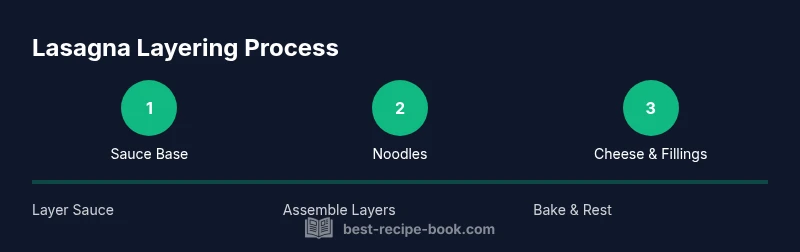
Layering is the heart of lasagna. Start with a thin coat of sauce to prevent sticking; cover evenly with noodles, then spread a portion of ricotta mixture, a layer of spinach or sautéed mushrooms if desired, and a handful of shredded mozzarella. Repeat to create 3–4 distinct layers, ending with sauce and extra mozzarella/Parmesan on top. The goal is even distribution—no single bite should be dry or overly saucy. If you’re using no-boil noodles, ensure they have enough moisture by finishing with a generous sauce layer. For vegetarian versions, swap meat with sautéed vegetables such as zucchini, mushrooms, and roasted peppers. Use an egg in the ricotta mixture to help set the filling, and sprinkle herbs between layers for vibrant aroma. Resting the lasagna briefly after baking helps the slices hold together when cut.
Sauce variations and flavor boosters
A classic tomato-based sauce shines, but you can expand flavor with variations. Try a meat-sauce variant using a mixture of beef and pork, or a turkey version for lighter fare. Add red wine or balsamic to deepen acidity and round out sweetness. For a white lasagna, layer béchamel with ricotta, spinach, and shredded cheeses, avoiding tomato entirely. Seasonings—garlic, onion, oregano, thyme, and a pinch of nutmeg in béchamel—bring warmth. Fresh herbs like basil or parsley brighten the finish. If you want extra depth, simmer sauce for at least 30–45 minutes; longer simmering enhances sweetness and reduces wateriness. To keep the dish cohesive, monitor moisture levels; too much sauce can make the layers pale, while too little yields a dry bite. A sprinkle of lemon zest or a touch of grated lemon in the ricotta can surprise with brightness.
Bake, rest, and serve: timing and texture
Preheat the oven to 375°F (190°C). Cover the assembled lasagna with foil for the first 25–30 minutes to trap moisture, then remove foil and bake another 20–25 minutes until bubbling and lightly browned. The exact times vary with pan depth and noodle type. Let the lasagna rest for 10–15 minutes after removing from the oven; this lets the dish rebind so slices hold their shape when served. If you’re making a large tray, consider tenting with foil in the final minutes to prevent over-browning. A crisp edge is desirable, but you want a molten interior—aim for a uniform cheese pull when you cut a piece. Serving with a simple green salad and crusty bread completes the meal.
Make-ahead, freezing, and storage tips
Lasagna excels at make-ahead prep. Assemble, but don’t bake; wrap tightly and refrigerate up to 24 hours, or freeze up to 2–3 months. If freezing, consider baking from frozen, covered with foil for 60–75 minutes, then uncovering for 15–20 minutes to finish browning. Leftovers keep in the fridge for 3–4 days and reheat well in the microwave or oven. To freeze baked lasagna, cool completely, slice, wrap, and freeze for future meals. For best texture, freeze before baking and bake directly from frozen with extra time. Store unused sauce in an airtight container for up to several days and reheat with a splash of water or stock to loosen. When reheating, cover to prevent drying and aim for a gentle simmer in the oven to retain moisture.
Tools & Materials
- Dry lasagna noodles or no-boil sheets(Choose no-boil for easier prep; if using regular noodles, parboil until al dente)
- Ground meat (beef, pork, turkey, or mix)(Approximately 1.5–2 pounds for a 9x13 pan)
- Tomato sauce or crushed tomatoes(Seasoned with garlic, onion, oregano; about 48–64 oz for a hearty lasagna)
- Ricotta cheese(16 oz container; whisked with egg and parsley for filling)
- Mozzarella cheese, shredded(2–3 cups for layering; more for topping)
- Parmesan cheese, grated(1/2–1 cup to finish top layers)
- Egg(One egg helps set the ricotta filling)
- Bechamel sauce (optional)(For white lasagna variations or extra richness)
- Olive oil, salt, pepper(Basic seasonings and moisture balance)
- Fresh herbs (basil/parsley)(Finishes and aroma; not essential)
Steps
Estimated time: Estimated total time: 1 hour 50 minutes
- 1
Sauté aromatics and build sauce
Heat olive oil in a large, wide pot. Sauté diced onion until translucent, then add minced garlic and cook until fragrant. Add ground meat and cook until browned, breaking it up as it cooks. Stir in crushed tomatoes, salt, pepper, and herbs; simmer to marry flavors.
Tip: Use a wide, shallow pan to evaporate excess moisture and prevent boiling over. - 2
Develop the sauce
Reduce heat to low and simmer sauce for at least 20–30 minutes, longer if possible. Taste and adjust salt, pepper, and acidity with a splash of red wine or a pinch of sugar if needed.
Tip: Taste as you go; a balanced sauce should be bright, not dull. - 3
Prepare ricotta filling
In a bowl, mix ricotta with beaten egg, chopped parsley, and a pinch of salt. This helps the filling set and holds its shape in slices.
Tip: Eggs stabilize the filling and help prevent runny layers. - 4
Cook or soak noodles
If using regular noodles, boil until al dente and drain well. No-boil sheets can be used directly, but ensure they have enough moisture from the sauce.
Tip: If boiling, don’t overcook; they’ll finish cooking in the oven. - 5
Assemble first layer
Spread a thin layer of sauce on the bottom of the baking dish. Layer noodles over the sauce so they don’t stick, then add a portion of ricotta filling and a sprinkle of mozzarella.
Tip: Keep layers even to avoid thick, dense bites. - 6
Add successive layers
Repeat the noodle–sauce–filling–cheese pattern for 3–4 total layers, finishing with sauce and a generous cheese topping.
Tip: Evenly distribute fillings to prevent dry spots. - 7
Bake and finish
Cover with foil and bake at 375°F (190°C) for 25–30 minutes, then uncover and bake 20–25 minutes more until bubbling and lightly browned. Let rest before slicing.
Tip: Resting helps the slices hold their shape. - 8
Serve and enjoy
Slice cleanly, serve with a simple salad or bread, and savor the balanced flavors developed through careful layering.
Tip: A sharp cheese like Parmesan at the end adds a nice finish.
People Also Ask
Can I make lasagna ahead of time?
Yes. You can assemble the lasagna and refrigerate for up to 24 hours before baking. For longer storage, freeze the assembled dish and bake from frozen, adding extra bake time.
Yes, you can assemble and refrigerate, then bake later. For freezing, bake from frozen with extra time.
What kind of noodles should I use?
Regular lasagna noodles or no-boil sheets both work. No-boil sheets save time, but you may need a bit more sauce to hydrate them.
You can use either regular or no-boil lasagna sheets; just ensure enough moisture.
How long should lasagna bake?
Bake covered for 25–30 minutes, then uncover and bake 20–25 minutes more, until bubbling and lightly browned. Times vary with pan size and noodle type.
Bake covered first, then uncover to finish until bubbling and golden.
Can I freeze lasagna before baking?
Yes. Assemble the lasagna, wrap tightly, and freeze. Bake from frozen, adding 60–75 minutes, then 15–20 minutes uncovered to finish browning.
Absolutely; freeze assembled and bake later, just add time.
What cheese combination works best?
A classic mix of ricotta, mozzarella, and Parmesan provides creaminess, melt, and sharp finish. You can swap fontina or add béchamel for extra richness.
Ricotta with mozzarella and Parmesan is a traditional, reliable combo.
Is resting after baking necessary?
Yes. Resting for 10–15 minutes helps the lasagna set, making it easier to slice and serve without the layers sliding apart.
Resting helps the layers settle so you can cut clean slices.
Watch Video
Key Takeaways
- Master a balanced sauce, cheese, and noodle ratio.
- Layer evenly for uniform texture and moisture.
- Rest before slicing to maintain clean servings.
- Make-ahead options improve flavor and workflow.
- Customize fillings to suit dietary needs and preferences.