Lasagna Recipe with Ricotta: A Step-by-Step Guide
Master a creamy ricotta lasagna with a balanced tomato sauce, precise layering, and practical make-ahead tips. This step-by-step guide helps home cooks achieve tender noodles, airy ricotta filling, and clean slices every time.


Learn how to craft a classic lasagna recipe with ricotta in 6 practical steps: prepare a rich tomato sauce, whisk a creamy ricotta filling with parmesan and egg, layer with pasta, bake until bubbly, then rest before slicing. This guide emphasizes texture, balance, and make-ahead options. According to Best Recipe Book, thoughtful layering and a short rest yield cleaner, slice-worthy pieces.
Why ricotta matters in lasagna
Ricotta creaminess is the backbone of a traditional lasagna, balancing meaty tomato sauce with gentle richness. In this recipe, ricotta isn’t just a filler; it shapes the texture of every bite and helps the dish hold together when sliced. The smooth, slightly grainy texture of well-whipped ricotta adds a luxury without heaviness, making it ideal for layered assembly.
According to Best Recipe Book, using ricotta with a bit of egg and grated Parmesan helps set the filling so it holds its shape while remaining tender inside. This extra binding is what prevents sagging layers once you cut into the dish. If you prefer a lighter finish, you can fold in a small amount of mozzarella for melt and sheen, but beware of over-mixing, which can make the ricotta dense rather than creamy.
Key to success is balancing moisture. If the ricotta is very wet, drain briefly or pat dry, then whisk with an egg to create a cohesive filling that interior layers can support. For richer flavor, simmer the tomato sauce with garlic and onion until it thickens, then let it cool slightly before layering. The goal is to have a sauce that clings to the noodles without pooling, so every bite has that classic lasagna bite.
In practice, assemble a few practice layers on a small dish before committing to a full pan. This gives you a sense of how thick the ricotta layer should be and whether your sauce has the right viscosity to stay put rather than run between sheets. By the end, you’ll have a confident sense of proportion that makes every slice a complete bite.
description_longer_but_unique_opportunity_tags_conceptualizing_and_flow],
blockDataUnavailableFlag
Tools & Materials
- Large pot or Dutch oven(For simmering tomato sauce and meat; 4-6 quart capacity preferred)
- Medium skillet(For sautéing onions, garlic, and meat; 10-12 inch skillet works well)
- Mixing bowls(One for ricotta filling, one for final assembly ingredients)
- Whisk or fork(To blend ricotta, egg, and cheese smoothly)
- Cheese grater(For parmesan/shredded mozzarella as needed)
- 9x13 inch baking dish(Classic size for multiple layers; grease lightly)
- Aluminum foil(To cover during the early bake stage; prevents drying out)
- Spatula and ladle(For spreading ricotta and ladling sauce evenly)
- Measuring cups/spoons(For accurate seasoning and sauce consistency)
- Cutting board and knife(Chop onion, garlic, and any vegetables safely)
Steps
Estimated time: Total time: about 1.5-2 hours
- 1
Prepare sauce base
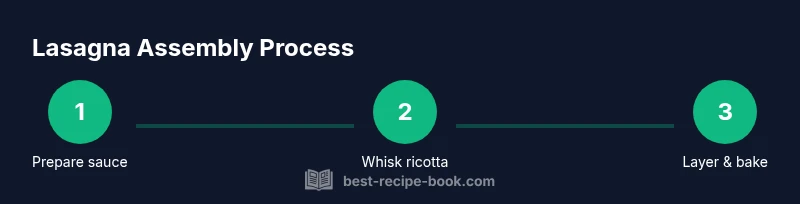
Heat oil in a pan and sauté onion and garlic until translucent. Add ground meat and cook until browned, breaking it up as you go. Stir in crushed tomatoes, herbs, and a pinch of salt. Simmer to meld flavors and reduce liquid so the sauce clings to noodles without becoming watery.
Tip: Taste and adjust seasoning by adding a pinch of salt or a splash of water if it thickens too much during simmer. - 2
Whisk ricotta filling
In a bowl, combine ricotta with grated Parmesan, an egg, and a pinch of salt until smooth and creamy. The egg helps set the filling so slices hold together when served. Do not overbeat, or the texture may become too airy.
Tip: Whisk slowly to avoid splattering; let the mixture rest a minute to relax any graininess. - 3
Prepare the noodles
If using regular lasagna sheets, boil until just al dente according to package directions, then drain. If using no-boil sheets, simply layer dry sheets with sufficient sauce moisture to hydrate during baking.
Tip: If your sheets are thick, consider a 1-2 minute boil to prevent a gummy texture. - 4
Layer the lasagna
Start with a thin layer of sauce on the bottom, then add noodles, a spoonful of ricotta filling, and mozzarella. Repeat layering until the pan is filled, finishing with sauce and a light sprinkle of Parmesan on top.
Tip: Aim for even distribution; avoid large ricotta pockets which can cause uneven slicing. - 5
Bake and cover
Cover tightly with foil and bake in a preheated oven until the edges bubbling around the pan. Remove cover and bake a bit longer to brown the top for a visually appealing crust.
Tip: If the top browns too quickly, tent with foil to prevent scorching. - 6
Rest and slice
Let the lasagna rest for at least 15 minutes after removing from the oven. Resting helps the layers set and makes clean, neat slices possible.
Tip: Rest longer if time allows; the structure improves with a longer cool-down.
People Also Ask
Can I substitute cottage cheese for ricotta?
Yes, cottage cheese can replace ricotta, but expect a different texture. Blend cottage cheese with grated parmesan and a beaten egg to mimic ricotta’s creaminess and binding.
You can swap in cottage cheese, but you’ll want to blend it with parmesan and egg to keep the filling cohesive.
Should I bake lasagna covered or uncovered?
Start covered to trap moisture and prevent a dry top, then uncover for the final 15 minutes to brown the cheese and form a crust.
Cover it first, then uncover at the end to brown the top.
Can I assemble lasagna ahead of time?
Yes. You can assemble and refrigerate for up to 24 hours before baking. If frozen, allow extra time for thawing and extended bake.
You can assemble it ahead and refrigerate, then bake when ready.
Is no-boil pasta okay for this recipe?
No-boil sheets work well if you ensure the sauce is adequately moist; otherwise, cook the sheets slightly before layering.
Yes, no-boil sheets are fine if your sauce is moist enough to hydrate them.
Can lasagna be frozen for later?
Lasagna freezes well once assembled: wrap tightly and freeze; bake from frozen, adding time as needed and ensuring the center heats through.
You can freeze it after assembling, then bake later from frozen.
What size pan is best for even layers?
A 9x13 inch pan is ideal for even layering; adjust time slightly if using a smaller or deeper dish.
A standard 9x13 inch pan works best for even layers.
Watch Video
Key Takeaways
- Layer ricotta for creamy texture
- Balance sauce moisture for clinging layers
- Rest the lasagna before slicing for clean cuts
- Prepare components ahead to speed assembly
- Use proper pan size to avoid overflow