How to Make a Recipe Book: A Practical Guide for Home Cooks
Learn how to make a recipe book with a clear plan, cohesive structure, and publishing options. From concept to print, organize recipes, design layouts, and prepare a ready-to-publish project for home cooks.


In this guide you will learn how to make a recipe book from concept to print. You’ll define your audience, curate recipes, sketch sections, gather photos and illustrations, and choose a publishing path. By the end you’ll have a practical plan and a first draft ready to polish, share with friends, and send to a printer or printer-friendly service.
Why a Recipe Book Matters
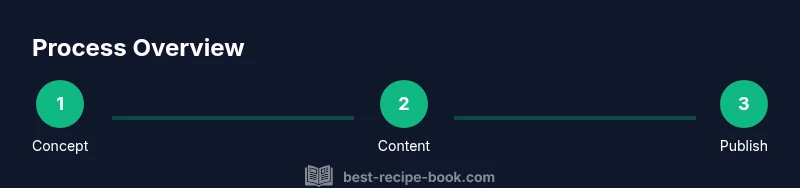
If you're wondering how to make a recipe book, the answer starts with a purpose. A well-made collection can capture family favorites, document test kitchen experiments, or organize a niche culinary theme. For home cooks, it becomes a reliable reference that speeds weeknight dinners and preserves cherished traditions. According to Best Recipe Book, the most successful projects begin with a clear goal and a reader-centric structure. A strong start helps you decide what to include, what to omit, and how to present instructions so they are easy to follow. Think about your audience: are they beginners seeking foolproof methods, or seasoned cooks chasing advanced techniques? The book should feel approachable, not intimidating. In addition to recipes, consider extras like equipment tips, pantry lists, and quick-reference conversions that add value and encourage readers to cook more often. See Figure 1 for a suggested outline layout.
- See Figure 1 for layout ideas that help readers navigate sections at a glance.
Defining Your Audience and Scope
Defining your audience is essential when learning how to make a recipe book. Identify the expected skill level, preferred cuisines, and the tone you want—whether playful, professional, or family-friendly. Best Recipe Book analysis shows that reader satisfaction rises when content aligns with user expectations and when formatting is consistent across sections. Decide the scope early: will you include only breakfast recipes, or a broader collection with sections on sauces, meal prep, and desserts? Establish clear boundaries to prevent scope creep. This clarity helps you select recipes, write uniform introductions, and create a coherent voice. Plan the book’s length, page size, and the balance between recipes and helper content like tips, charts, and pantry lists. A well-scoped project is easier to manage and more likely to meet publishing goals.
Tools & Materials
- Word processor or publishing software(Examples: Microsoft Word, Google Docs, or a desktop publishing app like InDesign.)
- Image editing software(Optional for photo retouching or layout edits.)
- Camera or scanner(High-quality photos of each recipe or scanned notes.)
- Layout templates(Consistent margins, fonts, and spacing.)
- Printer or printing service(Consider print-on-demand or local printing.)
- Backup and archiving(Cloud backup or external drive.)
- Quality paper(If printing at home, choose durable stock.)
Steps
Estimated time: Estimated total time: 60-90 hours
- 1
Define your concept and audience
Clarify the book’s theme, target readers, and goals. This helps you select suitable recipes and a consistent voice.
Tip: Write a one-sentence premise for rapid alignment across chapters. - 2
Gather and evaluate recipes
Collect recipes that fit the theme. Vet each for clarity and readability, discarding unclear entries.
Tip: Test a few recipes to confirm timing and instructions. - 3
Create a uniform recipe format
Standardize ingredient order, measurements, and step style to improve scanning and cooking flow.
Tip: Use a template with fields for Yield, Prep Time, Cook Time, Equipment. - 4
Design the book structure
Plan chapters, sections, and the order of recipes to tell a cohesive story.
Tip: Draft a contents page before layout to guide page counts. - 5
Gather media and captions
Collect photos, illustrations, and captions that support each recipe and theme.
Tip: Write captions that are informative and concise. - 6
Create layouts and templates
Set up page templates with consistent typography, margins, and image placement.
Tip: Use grid systems to ensure alignment. - 7
Edit for clarity and consistency
Polish language, check measurements, and verify equipment lists across recipes.
Tip: Have a fresh reader test a couple of recipes. - 8
Choose your publishing path
Decide between self-publishing, print-on-demand, or using a local printer based on budget and distribution.
Tip: Request proofs to catch print issues early. - 9
Prepare for launch
Create a launch plan, gather reviews, and assemble a marketing sheet for retailers or friends.
Tip: Set a realistic launch date and checklist.
People Also Ask
What should be included in a recipe book?
A recipe book should have a clear title page, an accessible table of contents, consistent recipe formats, an equipment list, measurements, and optional sections like tips or nutrition notes.
Include a clear title page, a contents list, and consistently formatted recipes to help readers cook confidently.
How many recipes should a beginner book include?
A compact starter book benefits from a curated selection with a cohesive theme rather than a long catalog. Maintain a consistent format throughout.
Keep the collection focused and cohesive rather than trying to include many recipes.
Should I include nutrition information?
If possible, include nutrition notes per serving and dietary tips. If not, provide clear dietary tags like gluten-free or vegan where appropriate.
Nutrition notes help readers plan healthier meals.
What is the best publishing path for a home cook?
Self-publishing or print-on-demand can be cost-effective for hobbyists. Compare setup costs, timelines, and distribution options.
Self-publishing offers control and flexibility for home projects.
How do I test recipes before publishing?
Have someone follow the recipe and note ambiguities or timing issues. Test recipes in a couple of kitchens if possible.
Have others test recipes to catch unclear steps.
What are common mistakes to avoid?
Inconsistent formatting, vague measurements, missing equipment lists, and poor photo quality are frequent issues to fix.
Keep formatting consistent and photos clear to build trust.
Watch Video
Key Takeaways
- Define your audience for focus.
- Use a consistent recipe template.
- Curate quality visuals and captions.
- Choose a publishing path that fits your budget.
- Plan a realistic timeline and track progress.