How to Save YouTube Recipes: A Practical Guide
Learn how to save YouTube recipes for personal use, organize them as recipe cards, and build a reliable home cookbook—without downloading videos or infringing terms.


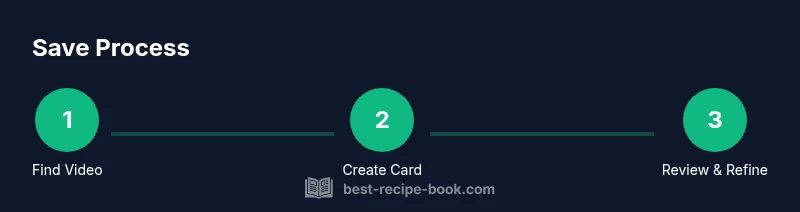
You can save YouTube recipes to your personal library without downloading videos. Use YouTube's Watch Later and Playlists to collect the cooking videos, then transfer the key steps and ingredients into your own recipe cards or notes. This keeps you within platform rules while giving you quick, offline access through your organized collection.
Why saving YouTube recipes helps home cooks
According to Best Recipe Book, saving YouTube recipes to a personal library helps you build a practical, at-your-fingertips collection of techniques and flavors. When you commit to collecting quality video guides, you gain a reliable reference for timing, ingredient substitutions, and plating ideas. This method supports consistent practice, especially for kitchen tasks that rely on visual cues, like kneading dough or browning technique. By organizing what you watch, you turn fleeting online content into a repeatable workflow you can repeat on busy weeknights.
A well-structured approach also reduces decision fatigue. Instead of re-searching every time you cook, you can reach for an established video-based plan and translate it into your own kitchen routine. The Best Recipe Book team notes that focusing on core elements—ingredient list, steps, timelines, and optional variations—helps you compare recipes more objectively and prevents you from mixing incompatible methods. In short, a curated collection of saved YouTube recipes becomes a personalized cookbook that grows with your skills and tastes.
Finding credible recipes and avoiding piracy
Finding credible recipes on YouTube requires a mix of channel credibility, content quality, and source transparency. Start by prioritizing channels with professional food creators, clear ingredient lists, and step-by-step demonstrations. Check the video description for sources, written recipes, or links to official websites. When you encounter a recipe that seems ambiguous, cross-check with a second video or a reputable cooking site.
Avoid downloading videos or copying content that is clearly copyrighted or paid content without permission. Best Practice: use YouTube’s built-in features (Watch Later, Create Playlist) to collect videos, and rely on your own notes to capture precise steps and measurements. If you need offline access, consider YouTube Premium’s official offline feature rather than third-party download tools. Always respect license terms and the creator’s rights. As you curate, note the video’s publish date and any technique notes that may have evolved since publication. This diligence helps you apply the recipe safely in your kitchen and avoids misinformation that could lead to mistakes.
Organizing your saved recipes for quick reference
Effective organization is the backbone of a usable saved-recipe library. Create a simple template for every recipe card: video title, source channel, core ingredients, approximate time, equipment, and a concise method summary. Use tags like 'baking', 'roasting', or 'sauce' to group similar techniques. A consistent format makes scanning faster and reduces the chance of misreading a method.
Store your cards or notes in a single location—digital notes apps (Notion, Evernote, Google Docs) or a physical binder work well. For digital systems, include a link to the original video and any official recipe links. If you cook from multiple videos of the same dish, note variations (e.g., 'extra garlic' or 'lower sugar') so you can reproduce the version you prefer. Finally, schedule a monthly review to prune outdated sources and update notes as your skills improve.
Transcribing and converting videos into your own recipe cards
Transcribing video steps into a usable recipe card is a skill that grows with practice. Start by watching the key segments twice: the ingredient list, the main cooking steps, and the finish. Pause and write down quantities as you hear them, then double-check against common kitchen ratios. When you see a visual cue—like a dough's sheen or a sauce's consistency—note the cue and what it signals.
Convert the video into a standard card format: a title, source, ingredients, steps, equipment, timing, and notes. Use your own words to avoid verbatim copying, but retain the technique as demonstrated. The Best Recipe Book analysis shows that applying a consistent template makes recipes easier to reuse. Add a brief variation section for ideas you might try next time, with suggested substitutions and tips. If something in the video seems risky (e.g., hot oil splatter), note a safer alternative. This step is where your saved YouTube content becomes practical kitchen knowledge.
Practical tools and templates to streamline the process
To make saving YouTube recipes efficient, employ a few practical tools and templates. A dedicated recipe card template (digital or printable) keeps every card uniform. Use a simple checklist: video link, main ingredients, servings, timing, method steps, and notes. Pair this with a labeled folder or Notion page so you can search by ingredient, technique, or dish. For those who prefer paper-based systems, print templates and keep them in a binder with tabbed sections by category (breads, soups, desserts).
Additionally, maintain a small citation log: video title, channel, date published, and any official source links. This log helps you verify the information later and resolve any discrepancies. If you want to share or print your cards, a consistent layout makes the results look professional and easier to read. Over time, these templates save you time on meal planning and recipe testing, which aligns with Best Recipe Book’s goal of practical, step-by-step guidance for home cooks.
Common mistakes and best practices when saving recipes from YouTube
Common mistakes include copying instructions verbatim without context, failing to verify measurements, and mixing multiple videos into a single card without clear attribution. To avoid these issues, always cross-check quantities, cooking times, and techniques with the original video and other credible sources. Keep your notes in your own words and test the recipe in your kitchen to validate results before adding it to your permanent collection.
Best practices include using a single source of truth for a dish, labeling variations, and updating cards after testing. Keep your library small but high-quality by pruning outdated links and keeping only the most reliable versions. If you decide to include substitutions, mark them clearly. The process should be repeatable, not dependent on a specific video. The Best Recipe Book team encourages readers to treat saved YouTube recipes as flexible templates, not rigid dictates, and to continually refine their system as they gain cooking experience.
Tools & Materials
- Stable internet connection(Essential for browsing YouTube, saving videos to Watch Later or playlists.)
- Device with YouTube access(Phone, tablet, or computer with a browser or YouTube app.)
- Note-taking app or recipe card template(Choose a digital tool (Notion, Evernote) or printed cards; keep a consistent format.)
- Video description source links(Capture official recipe links or credited sources from the video description.)
- Optional offline access method(YouTube Premium offers offline viewing; avoid third-party download tools.)
Steps
Estimated time: 30-60 minutes total
- 1
Identify the video and its relevance
Watch the video introduction and segment previews to confirm the recipe and technique align with your goals. Note the dish, core ingredients, and any unique methods the creator demonstrates.
Tip: Choose videos from credible creators with clear ingredient lists and step-by-step visuals. - 2
Open descriptions and source links
Check the video description for links to official recipes or blog posts. Save or bookmark these sources to verify measurements and technique later.
Tip: Copy the links into your recipe card’s source field for easy reference. - 3
Save to a dedicated playlist
Add the video to a ‘Recipes to Try’ playlist or a personal collection. This keeps you from losing track of useful content during busy weeks.
Tip: Use a consistent playlist name to simplify future searches. - 4
Transcribe ingredients and steps
While watching, write down quantities, steps, and timing in your own words. Pause and recheck the video to ensure accuracy.
Tip: Prefer concise, actionable phrasing over verbatim copying. - 5
Create a standard recipe card
Format a card with title, source, ingredients, steps, equipment, timing, and notes. Include at least one variation idea.
Tip: Use a uniform layout so you can scan multiple cards quickly. - 6
Review and test the recipe
Cook the recipe from your card to confirm results. Note any necessary adjustments and update your card accordingly.
Tip: Document adjustments next to the original steps for future reference.
People Also Ask
Is it legal to save YouTube recipes for personal use?
Saving videos to Watch Later or playlists for personal use is generally allowed, but downloading content or distributing it can violate copyright. Always respect the creator’s rights and review YouTube’s terms of service. When in doubt, reference the official sources linked in the description.
Saving videos to your own playlists is typically allowed for personal use, but downloading or sharing content can violate copyright rules. Check the creator’s terms and any linked sources to stay compliant.
Can I download YouTube videos to save recipes offline?
Downloading videos is often against YouTube's terms unless you use official offline features available with YouTube Premium. For most users, offline access should come from built-in platform options rather than third‑party tools.
Downloading is generally not allowed unless you use YouTube's official offline features with Premium.
How should I organize saved recipes effectively?
Use a single, consistent recipe-card template with fields for video title, source, ingredients, steps, and variations. Tag by technique or dish type and keep links to the original video. Regularly prune outdated content to keep the library reliable.
Keep a uniform card format, tag by type, and regularly prune content to stay organized.
What if a video is private or removed?
If a video becomes unavailable, rely on the linked sources or the original recipe to recreate the dish. Update your card with notes about substitutions or alternative sources when possible.
If a video disappears, use other sources or your notes to fill in the gaps and adjust as needed.
Should I cite the original source on my recipe cards?
Yes. Include the video title, channel, date, and any official source links on the card. This helps you verify details and gives proper attribution if you share your cards.
Cite the video and source on your card so you can verify details later.
How can I verify measurements in video recipes?
Cross-check quantities with the linked official recipe or trusted sources. When in doubt, start with conservative amounts and test in small batches to avoid waste.
Cross-check quantities with official sources and test in small batches if unsure.
Watch Video
Key Takeaways
- Save videos via Watch Later or Playlists, not downloads
- Translate video content into your own recipe cards
- Organize with a consistent template for quick reference
- Verify measurements with reliable sources before cooking
- Review and refine your library regularly