Lasagna Roll Ups: A Complete How-To Guide
Master lasagna roll ups with a clear, step-by-step guide. Learn fillings, rolling technique, baking, and make-ahead options for busy schedules.


Learn to make lasagna roll ups with a clear, step-by-step method. You’ll prep a ricotta-spinach filling, choose your noodles, roll the filling inside, cover with sauce, and bake until bubbly. This approach yields neat portions, easy serving, and flexible fillings for meat, cheese, or vegetables. It also scales well for family dinners or when you want to impress guests with a visually appealing dish.
Why lasagna roll ups are a versatile weeknight meal
lasagna roll ups offer a balance of comfort and efficiency that makes weeknights feel special. The format—tubes of seasoned filling wrapped in pasta—provides individual portions that bake evenly and hold up well in leftovers. For home cooks, this means less dish prep and simpler portion control while preserving the familiar flavors of classic lasagna. You can customize fillings to suit dietary needs, swap spinach for kale, or introduce ground turkey or meat substitutes without rewriting the whole recipe. The result is a visually appealing dish that still delivers the creamy ricotta, melty mozzarella, and savory tomato sauce that most families crave. In this guide from Best Recipe Book, you’ll find practical, tested steps, troubleshooting tips, and variations that work for busy schedules or small kitchens. With the right approach, lasagna roll ups become a reliable cornerstone of weeknight planning, a crowd-pleasing option for gatherings, and a way to reduce meal prep friction.
Key components and common fillings
Lasagna roll ups rely on a small set of components: tender pasta sheets (traditional or no-boil), a creamy cheese filling, a robust sauce, and a topping of mozzarella or parmesan for browning. Start with quality ingredients; fresh mozzarella melts nicely, while part-skim ricotta keeps the filling light. Spinach or kale stirred into the cheese creates a bright filling that layers well inside each noodle. For a meatier version, sauté ground beef or turkey with garlic and onion, then fold it into the cheese mixture. You can also craft a vegetarian filling with roasted vegetables like zucchini, peppers, and mushrooms. If you prefer a dairy-free option, substitute tofu or almond ricotta and use olive oil and herbs to boost flavor. Sauce choices range from a traditional marinara to a rich mushroom gravy, depending on taste. The key is balancing moisture so the rolls don’t become soggy. A light pass of salt, pepper, dried oregano, and basil in the filling helps unify the flavors.
Step-by-step overview
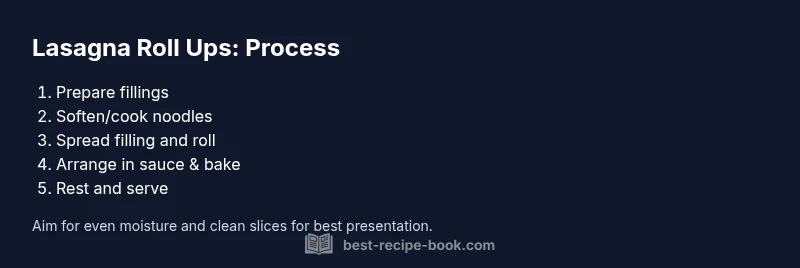
Rolling technique and assembly are the heart of lasagna roll ups. Begin by preparing noodles and filling. If you’re using no-boil sheets, nap them briefly in warm water to soften; if you’re boiling, cook until al dente and lay flat on a towel. Spread a thin, even layer of filling along the width of each noodle, leaving a small margin at the edges to prevent overflow. Gently roll the pasta from one end to the other, forming a compact cylinder. Place seam-side down in a baking dish coated with sauce to prevent sticking. Once all rolls are arranged, spoon or ladle sauce over the top and sprinkle cheese evenly. Bake until the sauce bubbles and the cheese on top browns lightly. Let the dish rest for 10–15 minutes before slicing to keep the fillings in place. This yields neat rounds that look impressive on the table and stay tender as they cool. You can prepare ahead and refrigerate overnight for even deeper flavors.
Prep ahead and mise en place
Preparation is the secret to smooth execution. Gather ingredients first and measure them before you start mixing. Grate cheese, wash greens, and mix your cheese filling in a single bowl for efficiency. Cook or soften any vegetables you’ll add into the filling so they release flavors without releasing too much moisture. If you’re freezing rolls, consider assembling them on parchment-lined trays before moving to a storage container. A good mise en place reduces last-minute scrambling and helps you maintain clean hands and counter space. Show respect to your ingredients by letting ricotta drain briefly if it’s very wet, and pat mushrooms or zucchini dry after roasting to prevent soggy rolls. Finally, preheat the oven so it reaches the right temperature by the time the rolls are ready to bake.
Sauces and fillings variations
While a bright marinara is the classic pairing, you can tailor lasagna roll ups to support different flavors. A creamy tomato-basil sauce blends well with spinach and ricotta, while a mushroom cream sauce adds depth for meat-free versions. For spicy profiles, whisk in red pepper flakes or a touch of hot sauce into the sauce. If you prefer extra richness, blend part of the mozzarella into the filling for extra meltiness. You can also layer subtle texture by adding sautéed onions, garlic, and minced mushrooms in the filling. For a gluten-free approach, use corn tortillas rolled into a baking dish or gluten-free lasagna sheets. When using leftover or jarred sauce, simmer it with herbs for 10–15 minutes to deepen the flavors before assembly. The key is to manage moisture: too much liquid makes the rolls soggy; too little leaves them dry. Taste the filling, adjust salt and pepper, and consider final toppings like fresh basil or a drizzle of olive oil.
Noodle handling and rolling technique
Understanding noodle texture and rolling pressure helps prevent cracks and tears. If you’re using no-boil sheets, ensure they’re pliable enough to roll by cooling them in warm water for a minute or two; for boiled sheets, drain well and lay them out on a clean towel to absorb surface moisture. Spread filling in a thin, even strip that spans the noodle’s width, leaving room at the ends. Roll firmly but gently so the filling doesn’t squeeze out. Place each roll seam-side down in the prepared pan with sauce underneath to prevent sticking. If a roll cracks, extrude a small amount of filling from the open end to seal it and keep the roll compact. When you’re done, spoon more sauce over the tops and add your final cheese layer. For neat slices, chill the rolls for 15–20 minutes before slicing and serving; this helps the filling set and reduces crumbling.
Baking times and serving temperatures
Bake lasagna roll ups at a moderate temperature so the fillings warm through without drying out the edges. A typical bake is 350°F (175°C) for 25–35 minutes, covered, then uncover for 5-10 minutes to brown the cheese. If you prefer a softer texture, reduce the oven to 325°F (165°C) and extend the bake time by 5-10 minutes. Start checking the internal temperature of the fillings; aim for around 165°F (74°C) in the center of the rolls. Rest the dish for 10-15 minutes after removing it from the oven; this helps the cheese set and makes slicing cleaner. If you’re cooking in advance for a crowd, bake the rolls until hot, then reheat portions later with a splash of sauce to keep moisture. You can also freeze assembled rolls before baking and bake directly from frozen, adding 10-15 minutes to the bake time. In all cases, avoid overcrowding the pan to ensure even heat distribution and proper browning.
Freezing and meal-prep storage
Lasagna roll ups freeze well, which makes them ideal for batch cooking. Freeze unbaked rolls on a sheet pan, then transfer to a freezer bag or airtight container; bake from frozen, adding 10-15 minutes to the bake time. For leftovers, refrigerate within two hours of baking and reheat in the oven or microwave until heated through. To maintain texture, store sauce separately if you plan to reassemble or refashion the dish in the future. Consider making a double batch of your filling and freezing half, so you can mix fresh noodles later or swap in seasonal greens for variety. When reheating, cover with foil to trap steam and prevent drying, and remove the foil toward the end to re-brown the top. If you’re short on time, prepare the fillings a day ahead and refrigerate; you’ll reduce prep time on execution day and improve flavor as the components meld.
Common mistakes and how to fix them
Common mistakes in lasagna roll ups include over-wetting the filling, using noodles that are too stiff, and stacking rolls too tightly in the pan. To fix over-wet fillings, drain any moisture-heavy ingredients (like spinach) and blot mushrooms to remove excess liquid. If noodles feel stiff, briefly warm them in hot water or let them rest covered to regain pliability. Don’t overfill the rolls; a compact fill yields cleaner slices. If the sauce is too thin, simmer it longer to reduce and thicken, or add a pinch of cornstarch or a small amount of tomato paste to tighten the consistency. For even baking, rotate the pan halfway through the bake and ensure the rolls are arranged seam-side down. Taste as you go—seasonings vary with brand and moisture content, so a final salt and herb adjustment can elevate the dish. Finally, allow the dish to rest after baking; this helps the filling set and makes slicing easier for plating.
Tools & Materials
- No-boil lasagna sheets or dried lasagna sheets(Use 10-12 sheets depending on pan size; soak or cook as directed.)
- Ricotta cheese(12-16 oz, drained if very wet.)
- Shredded mozzarella(2 cups total, reserve 1/2 cup for topping.)
- Parmesan cheese(1/2 cup grated, for topping.)
- Spinach(2-3 cups, wilted or chopped.)
- Tomato sauce(3-4 cups; marinara works well.)
- Ground meat or meat substitute(Optional; 1 pound.)
- Olive oil(For sautéing.)
- Garlic and onion(For filling or sauce.)
- Herbs (basil, oregano)(Fresh preferred.)
- Baking dish(Rectangular 9x13 inch recommended.)
- Cooking spray or oil(To prevent sticking.)
Steps
Estimated time: 60-90 minutes
- 1
Prepare fillings
Mix ricotta with spinach, herbs, and a portion of mozzarella. If using meat, cook and drain before adding.
Tip: Chill the filling briefly to prevent spillage. - 2
Prepare noodles
If using no-boil sheets, soak briefly in warm water. If boiling, cook until al dente and lay flat to drain.
Tip: Dry thoroughly to prevent soggy rolls. - 3
Spread and roll
Spread a thin layer of filling along each noodle, then roll tightly from end to end.
Tip: Leave a small margin on sides to keep filling inside. - 4
Arrange in pan
Place rolls seam-side down over a bed of sauce; evenly space to promote even baking.
Tip: Tuck edges of rolls if they ooze filling. - 5
Bake and top
Cover with sauce and cheese; bake until bubbling and browned on top.
Tip: Check at 25 minutes and rotate the pan for even heat. - 6
Rest and serve
Let rolls rest 10–15 minutes before slicing for clean presentation.
Tip: Serve with extra sauce and fresh basil.
People Also Ask
Can I use no-boil lasagna sheets for lasagna roll ups?
Yes. No-boil sheets work well if softened and laid flat; if using traditional dried sheets, boil until al dente. Either method yields neat rolls when handled gently.
Yes, no-boil sheets work fine as long as you soften them enough before rolling.
What fillings work best for lasagna roll ups?
Ricotta with spinach or greens, mozzarella, and a bit of parmesan is classic. For heartier versions, add ground meat or sautéed mushrooms; adjust moisture with the sauce.
Ricotta, spinach, mozzarella, and a bit of parmesan are classic; add meat or mushrooms if you like.
How long do lasagna roll ups take to bake?
Typically bake at 350°F (175°C) for 25–35 minutes, then rest 10–15 minutes before serving.
Most rolls bake for about 25 to 35 minutes at 350 degrees, then rest briefly.
Can I freeze lasagna roll ups before baking?
Yes. Assemble rolls, freeze unbaked on a sheet, then transfer to a bag. Bake from frozen, adding 10–15 minutes to the time.
Absolutely, you can freeze them raw and bake from frozen later.
How do I prevent filling from leaking out of the rolls?
Spread filling evenly, avoid overfilling, and roll tightly. Slice with a sharp knife to keep edges neat.
Spread evenly and roll tightly so the filling stays inside.
Watch Video
Key Takeaways
- Plan ahead: gather ingredients and mise en place.
- Roll fillings evenly to prevent leaks.
- Bake until bubbling and cheese browns for flavor.
- Let the rolls rest before slicing for clean portions.
- Freeze or refrigerate leftovers for quick future meals.