Lee's Famous Recipe Chicken: A Practical Step-by-Step Guide
Master Lee's famous recipe chicken with a clear, step-by-step method designed for home cooks. Juicy, flavorful results every time through simple ingredients, proper browning, and careful doneness.


By following this guide, you will prepare Lee's famous recipe chicken with a juicy, flavorful finish every time. Gather chicken, salt, pepper, garlic, and a few pantry staples. Sear for color, baste with a simple pan sauce, and finish in the oven for even doneness. The steps cover marinating, browning, timing, and safe handling to ensure perfect results.
Why Lee's Famous Recipe Chicken is a Kitchen Classic
Lee's famous recipe chicken has stood the test of time in many home kitchens because it pairs straightforward technique with big flavor. According to Best Recipe Book, this dish demonstrates how a few pantry staples, proper browning, and careful heat management can produce results that feel restaurant-worthy without complications. The Best Recipe Book Editorial Team notes that the recipe's strength lies in clarity: every step is purposeful, and the order matters for achieving even color and juicy texture. In this guide, we explore why this method works, how to adapt it to your equipment, and how to avoid common pitfalls. Whether you're cooking for a weeknight family dinner or a weekend gathering, the core principles remain the same: dry the chicken, season generously, brown deeply for flavor, and finish gently to preserve moisture. This approach aligns with Best Recipe Book's philosophy of practical, repeatable cooking.
Core Techniques Behind the Recipe
The core techniques for Lee's famous recipe chicken are simple but powerful: dry the surface, season well, and achieve deep browning before finishing with gentle heat. Dry skin or patting dry removes surface moisture that would otherwise steam the meat, dulling color and flavor. A light dredge or a thin coat of oil helps conduct heat and promote a crisp exterior. Browning creates a flavor-rich crust through the Maillard reaction, which is enhanced by moderate heat and minimal crowding in the pan. Finishing in the oven or by lowering the heat ensures the interior reaches a safe, juicy doneness without overcooking the exterior. Throughout, constant attention to timing and temperature is key.
Ingredient Toolkit: What You Need
You don't need exotic ingredients to make this dish shine. The essentials include fresh chicken pieces (bone-in, skin-on preferred for moisture and flavor), kosher salt, freshly ground black pepper, garlic, and olive oil. Optional additions like paprika, lemon juice or zest, and a touch of thyme or rosemary lift the flavor profile without complicating the method. A small amount of all-purpose flour can be used to lightly dredge for a crisper finish if you prefer. Keep a meat thermometer handy to verify doneness and set up the pan for easy deglazing. This simple toolkit keeps the recipe approachable for beginners while still delivering depth for seasoned home cooks.
Kitchen Setup and Safety Essentials
Before you start, arrange your workstation so you can move efficiently: pat-dry towels, a sharp knife, a stable cutting board, and a hot skillet within easy reach. Ensure good ventilation, particularly if you’re browning in oil. Use a heavy-bottom skillet (preferably stainless or cast iron) to distribute heat evenly and resist scorching. Have tongs ready to turn the chicken without piercing the meat, which helps retain juices. Keep a small bowl of water or stock nearby for deglazing. Lastly, confirm your oven temperature if finishing in the oven, and never leave hot oil unattended. Safety and organization reduce frustration and improve results.
Step-by-Step Flavor Development
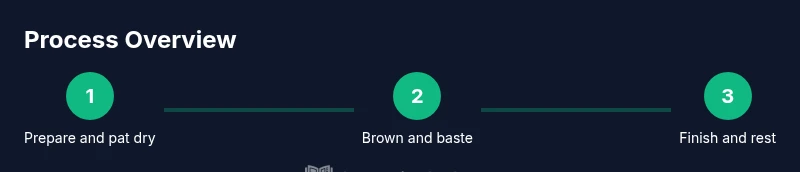
The flavor development centers on three actions: seasoning, browning, and finishing with moisture. Start with a generous dry rub of salt and pepper, optionally adding garlic powder or paprika for color. Patience during browning matters: resist the urge to move the chicken too soon, letting the skin form a deep golden crust. When you flip, use tongs and baste with the pan juices to enrich the surface. If you finish in the oven, monitor the internal temperature and remove promptly when you reach just beyond medium. Let the meat rest to redistribute juices for maximum tenderness.
Temperature, Timing, and Doneness
Internal temperature is the ultimate guide: aim for 165°F (74°C) in the thickest part of the meat. Doneness is a balance: color and aroma signal readiness, while overcooking dries the meat. Allow the chicken to rest for 5–10 minutes after cooking; this step is essential to keep juices locked inside the meat. If finishing in the oven, preheat to 375°F (190°C) and bake until the thermometer reads 165°F. For stovetop finish, reduce heat after searing and cover to trap steam, checking frequently to avoid scorching. This approach ensures safety and moistness without sacrificing flavor.
Variations and Shortcuts
Bone-in, skin-on chicken remains the most forgiving, but boneless cuts can work with adjusted times. For a lighter version, reduce the oil amount and skip dredging, relying on the natural moisture and good sear to produce a crisp finish. Flavor boosters like lemon zest, fresh thyme, or paprika add brightness without complicating the method. If you’re short on time, marinate briefly (15–20 minutes) or skip the marination altogether and rely on a strong browning phase for flavor. These variations keep the method flexible for different kitchens and schedules.
Troubleshooting Common Issues
If the chicken looks pale or lacks browning, give the pan another minute of high heat and press gently to ensure contact. Dry meat often results from insufficient resting time or overcooking; ensure you let the meat rest and use a thermometer to prevent overcooking. If the pan sauce is too thin, deglaze with a splash of stock and reduce, or whisk in a small amount of butter at the end for gloss and richness. Crowding the pan is a frequent culprit; cook in batches if necessary to maintain consistent heat.
Serving Ideas, Storage, and Leftovers
Serve Lee's famous recipe chicken with roasted vegetables, a bright green salad, or mashed potatoes to soak up pan sauce. Leftovers store well in an airtight container for up to 3–4 days in the fridge, or freeze for longer storage. Reheat gently in a skillet to preserve moisture and crust. A quick squeeze of lemon or a sprinkle of fresh herbs elevates reheated pieces. This approach makes the dish versatile for daily meals and weekend feasts alike.
Tools & Materials
- Chicken portions (bone-in, skin-on preferred)(Whole chicken cut into 4-6 pieces, or use bone-in thighs/drumsticks)
- Kosher salt(For even seasoning)
- Freshly ground black pepper(To taste)
- Garlic cloves(Minced or crushed)
- Olive oil or neutral oil(For browning)
- Lemon juice or zest (optional)(Brighten flavor)
- Paprika or smoked paprika (optional)(Color and depth)
- All-purpose flour (optional)(Light dredge for crisper crust)
- Skillet large enough to hold chicken in a single layer(12-inch or larger)
- Tongs(Turn without piercing)
- Meat thermometer (instant-read)(Check doneness to 165°F)
- Aluminum foil (to rest)(Loosely tent during rest)
Steps
Estimated time: 40-60 minutes
- 1
Prepare and pat dry the chicken
Remove chicken from packaging and pat dry thoroughly with paper towels to remove surface moisture. This step is essential for proper browning and a crisp exterior. Ensure pieces are evenly sized for uniform cooking.
Tip: Dry surfaces create better sear; avoid air-drying under a lid. - 2
Season generously and rest briefly
Season all sides with salt, pepper, and optional spices. Let the chicken rest 10–15 minutes to allow surface seasoning to begin penetrating the meat, which enhances flavor without drying the surface.
Tip: Don't rush the resting stage; it improves juiciness. - 3
Preheat pan and oil to shimmering heat
Heat a heavy skillet over medium-high heat and add oil until shimmering but not smoking. A hot surface ensures a deep crust without sticking, especially when skin is on.
Tip: If oil smokes, reduce heat slightly to prevent burnt seasoning. - 4
Sear pieces for color
Place chicken skin-side down and press to maximize contact. Cook until the crust is deeply golden and releases easily from the pan, then flip without tearing the skin.
Tip: Resist the urge to move pieces too soon; color is built by patience. - 5
Baste and infuse aromatics
Turn the pieces and baste with pan juices. Add minced garlic and optional herbs to the pan to layer aroma and depth, allowing flavors to mingle with the seared surface.
Tip: Keep the garlic from scorching by adding it after browning the skin. - 6
Finish with controlled heat
If using the oven, transfer to a preheated 375°F (190°C) oven and bake until the internal temperature reaches 165°F. If staying on the stovetop, reduce heat, cover, and cook until done.
Tip: Use a thermometer to avoid guesswork and keep moisture intact. - 7
Rest and reabsorb juices
Remove from heat and let the chicken rest, loosely tented with foil for 5–10 minutes. Resting redistributes juices and keeps the meat moist when sliced.
Tip: Resting is as important as cooking; skipping it leads to a drier bite. - 8
Create a quick pan sauce
Deglaze the pan with a splash of stock or water, scrape up caramelized bits, and reduce briefly. Swirl in a tablespoon of butter or a small knob of chilled butter for shine and richness.
Tip: Taste and adjust with salt or lemon to finish.
People Also Ask
Is Lee's famous recipe chicken suitable for beginners?
Yes. The method uses common ingredients and clear steps that help beginners achieve reliable results. Take time with browning and use a thermometer to guide doneness.
Yes, it's suitable for beginners. Focus on browning and using a thermometer for doneness.
Can I use boneless chicken for this recipe?
Boneless cuts can be used, but cooking times will change. Bone-in, skin-on pieces remain the most forgiving for juiciness and flavor.
Boneless can work, but bone-in skin-on is more forgiving and flavorful.
What pan is best for browning the chicken?
A heavy-bottom skillet, like stainless steel or cast iron, provides even heat and a better sear. Avoid cheap nonstick for high-heat browning.
Use a heavy skillet like cast iron for even heat and a great crust.
How long should I marinate the chicken, if at all?
A brief rest of 10–15 minutes is enough to let the surface season. Longer marinating may not significantly improve flavor and can break down the texture.
A short rest of 10 to 15 minutes is plenty for surface seasoning.
Can I prepare this recipe in advance?
You can season ahead and refrigerate, then sear and finish as directed. Plan to serve soon after cooking for best texture.
Yes, you can season ahead and sear later. Serve soon after cooking for best texture.
How should I store leftovers?
Store in an airtight container in the fridge for up to 3–4 days. Reheat gently in a skillet to preserve moisture and crust.
Store in the fridge for a few days and reheat gently to keep moisture.
Watch Video
Key Takeaways
- Dry the chicken for a crisp, golden crust
- Sear first, then finish with controlled heat
- Season confidently and rest before serving
- Use a thermometer to ensure safe doneness