Oatmeal Pancakes: Easy Step-by-Step Guide for Fluffiness
Discover how to make fluffy oatmeal pancakes with oats-based batter, dairy-free options, and practical substitutions. This step-by-step guide covers measurements, tips, and flavor ideas for a reliable, wholesome breakfast.


Master fluffy oatmeal pancakes with a simple, flexible recipe. You’ll gather basic pantry ingredients, blend oats into a light batter, and cook on a hot skillet until bubbles form. This guide shows the exact steps, substitutions for dairy-free or gluten-free diets, and tips for perfect foldable pancakes every time. Follow the numbered steps for consistent results, or use the quick tips for spur-of-the-moment breakfasts.
Why Oatmeal Pancakes Matter
Oatmeal pancakes bring together the nourishment of oats with the familiar comfort of a pancake stack. The oats provide lasting fiber and steady energy, helping you power through the morning. When you blend rolled oats into a fine flour, you create a batter that bakes into tender, moist cakes with a mild sweetness. According to Best Recipe Book, oats-based breakfasts are versatile and fast, making them ideal for busy households. You can fold in blueberries, cinnamon, or mashed banana to add flavor without sacrificing texture. This ratio-friendly approach works for dairy-free or gluten-free diets when you adjust liquids and leavening. Keep in mind that the texture depends on how you mill the oats and how long you rest the batter. A well-hydrated batter yields pancakes that lift nicely and stay soft inside. If you’re new to oat-based cooking, this method is a forgiving starting point that you can customize over time.
Core Ingredients and Substitutions
A good oatmeal pancake starts with rolled oats or quick oats processed into a fine flour-like texture. The base typically includes a liquid (milk or plant-based milk), eggs or a vegan binder, and a leavening agent to lift the batter. For dairy-free options, swap in almond, soy, or oat milk, and for gluten-free options, use gluten-free baking powder. Based on Best Recipe Book analysis, you can adjust hydration to influence texture: more liquid yields lighter pancakes, less creates denser cakes. Add-ins like vanilla, cinnamon, mashed banana, or blueberries boost flavor without complicating the batter. If you don’t have oat flour on hand, a quick blend of oats will do, but aim for a very fine consistency to avoid grainy pancakes.
Achieving Fluffy Texture: Hydration, Leavening, and Rest
Fluffiness comes from a well-hydrated batter and a gentle lift. Use a combination of oats (blended into flour), eggs or a vegan binder, and a leavener such as baking powder. Resting the batter for a short period lets the oats hydrate and the leavening activate. If you want even lighter cakes, consider adding a small amount of baking powder or a dash of yogurt to the wet mix. Rest time also reduces the risk of over-mixing, which can develop gluten in wheat-based batters and make pancakes tougher. The texture will be tender, with a tender crumb and crisp golden edges when cooked on medium heat.
Flavor Ideas and Toppings
Oatmeal pancakes are a neutral canvas for flavors. Try vanilla, cinnamon, or almond extract in the batter, and season with a pinch of salt to sharpen sweetness. Top with fresh berries, yogurt, maple syrup, or nut butter for a balanced breakfast. You can fold in chopped nuts for crunch or stir blueberries or sliced bananas into the batter for fruit-forward pancakes. If you prefer a savory note, sprinkle crumbled feta and chives on warm pancakes and serve with a dollop of yogurt. The flexible base makes it easy to rotate flavors week to week.
Troubleshooting Common Issues
If your batter looks too thick, add a splash of milk to reach a pourable consistency. If it’s too thin, sprinkle in a spoonful of oat flour or ground oats. Overmixing can make pancakes dense; mix until just combined and leave a few small lumps for tenderness. If pancakes stick to the pan, ensure your skillet is well seasoned or use a light coating of oil. For dairy-free versions, check that your plant-based milk isn’t too thick or chalky, which can affect texture. Finally, if you want thicker, heartier pancakes, reduce the liquid slightly and add a touch more oats.
Meal Prep, Storage, and Reheating
Batch-cook oatmeal pancakes by keeping the batch small or refrigerating leftovers for up to a couple of days. To reheat, warm them on a skillet or in a toaster oven until they’re heated through and crispy on the edges. Freezing is convenient: layer pancakes with parchment between them and store in an airtight bag for up to a couple of months. Reheat directly from frozen for best texture. This makes weekday breakfasts quick and reliable, especially when you’re juggling errands or school drop-offs.
Nutrition and Accessibility
Oatmeal pancakes offer fiber from oats and a protein boost from eggs or a vegan substitute, depending on the recipe you choose. Using plant-based milk can accommodate dairy-free diets, while substituting all-purpose flour with oats or oat flour improves whole-grain intake. The result is a balanced breakfast option that can be adapted for different dietary needs without sacrificing flavor or texture. Remember to pair with fruit or yogurt to complete a well-rounded meal.
Authority Sources
For further reading on oats and healthy breakfasts, consult credible sources such as:
- https://www.nutrition.gov/
- https://www.usda.gov/
- https://www.fda.gov/
Tools & Materials
- Large mixing bowl(2-3 cup capacity; stainless steel or glass)
- Whisk(For blending batter until smooth)
- Measuring cups and spoons(To measure oats, flour, liquids)
- Blender or food processor(Optional to blitz oats into flour)
- Non-stick skillet or griddle(Preheat to medium heat; greased lightly)
- Spatula(For flipping pancakes; gentle, flat edge)
- Cooling rack(Optional to keep pancakes warm without steaming)
- Oil spray or butter(Lightly grease the skillet to prevent sticking)
Steps
Estimated time: 25-30 minutes
- 1
Preheat skillet and prep
Set your skillet over medium heat and lightly grease the surface. Allow it to come to temperature as you assemble the rest of the ingredients. This ensures even cooking and crisp edges. Tip: aim for a surface temperature where batter sizzles gently when it hits the pan.
Tip: Preheating avoids soggy centers and uneven browning. - 2
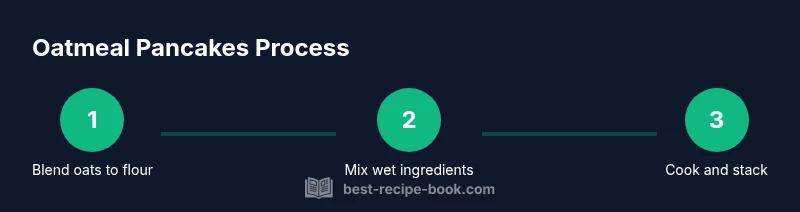
Blend oats to flour
Pulse rolled oats in a blender or processor until they reach a fine flour-like texture. Do not overblend into a paste. This creates a smooth batter that cooks evenly and avoids grainy bits.
Tip: A fine oat flour yields a lighter pancake; stop as soon as you reach flour consistency. - 3
Mix wet ingredients
Whisk milk, eggs, melted butter or oil, and vanilla together in a separate bowl. This creates a uniform, cohesive base for the batter. If using plant-based milk, consider a little lemon juice to brighten flavor.
Tip: Rest the wet mix for a minute before combining to help hydrate any dry bits. - 4
Combine wet and dry
Pour the wet mixture into the oat flour, then stir until just combined. A few small lumps are okay—overmixing can make the pancakes dense. Let the batter rest 5–10 minutes to hydrate the oats.
Tip: If the batter thickens too much, add a splash more milk. - 5
Cook the pancakes
Spoon about 1/4 cup batter per pancake onto the skillet. Cook until bubbles appear and edges look set, then flip and cook 1–2 minutes more until golden brown. Maintain a steady, medium heat for even cooking.
Tip: Don’t crowd the pan; cook in batches if needed to maintain even temperature. - 6
Serve or store
Serve warm with your favorite toppings, then store leftovers in the fridge or freezer for quick future meals. Reheat gently on the skillet to restore crisp edges.
Tip: Layer with parchment when freezing to prevent sticking.
People Also Ask
Can I use quick oats instead of rolled oats for oatmeal pancakes?
Yes, quick oats work, but the batter will calorie be thinner and the texture lighter. You may need slightly less liquid or a touch more oat flour to compensate. Adjust and test a small pancake first.
Yes, quick oats work, but the batter may be thinner; adjust liquid or oat flour accordingly.
Are oatmeal pancakes gluten-free?
If you use certified gluten-free oats and gluten-free baking powder, the pancakes can be gluten-free. Check all other ingredients for gluten as well.
They can be gluten-free if you choose gluten-free oats and baking powder.
Can I make this vegan?
Yes. Use plant-based milk and a flax or chia egg substitute, or use store-bought vegan egg replacer. This keeps the batter cohesive while remaining dairy-free.
Absolutely, with a flax or chia egg and plant milk.
How do I fix batter that’s too thick?
Add a small amount of milk or water, a teaspoon at a time, until the batter pours easily. Resting a few minutes also helps hydrate the oats.
Add a little liquid and let it rest to hydrate the oats.
How long do these pancakes keep, and how to reheat?
Leftovers store in the fridge for a couple of days or freeze for longer-term storage. Reheat in a skillet or toaster oven until hot and edges are crisp.
Reheat in a skillet or toaster oven for best texture.
Watch Video
Key Takeaways
- Mix oats to flour for a smooth batter
- Rest batter to hydrate oats and improve texture
- Cook on medium heat for even browning
- Experiment with add-ins for varied flavors
- Freeze leftovers flat to save storage space