Party Foods Recipe: A Step-by-Step Guide to Crowd-Pleasing Appetizers
Learn a practical, step-by-step party foods recipe to plan, prep, and serve irresistible appetizers for gatherings of all sizes. Includes make-ahead strategies, safety basics, and presentation tips for confident hosting.


You will master a practical, step-by-step party foods recipe that covers planning, prep, and serving a crowd. The guide outlines make-ahead strategies, quick-bite ideas, food safety basics, and presentation tips to keep guests energized. Before you start, assemble essential tools, pantry staples, and a simple hosting kit for smooth execution.
Introduction to party foods and why they matter
A well-planned party foods recipe makes hosting easier and more enjoyable. From dips to mini bites, crowd-pleasing dishes should balance flavor, texture, and make-ahead practicality. According to Best Recipe Book, a thoughtful approach reduces stress and ensures guests have a variety of options that suit different diets and time constraints. This guide breaks down planning, prep, and presentation into clear steps so you can confidently feed a room of friends, family, and colleagues. Along the way, you’ll see how crowd-friendly choices support a smooth timeline and minimum waste while still delivering delicious results. Best Recipe Book analysis shows that when hosts start with a clear strategy, food quality and guest satisfaction rise noticeably.
Tip: Start with a simple mood board for flavors, textures, and color to guide your selection and presentation.
Core principles for crowd-pleasing party foods
Successful party foods rely on a few evergreen principles: balance, accessibility, and balance of make-ahead options with fresh touches. Aim for a spectrum of textures—creamy, crunchy, and juicy—and offer at least one vegetarian option. Ensure portions are practical for mingling, not seated dining, and favor recipes that stay appealing at room temperature. The goals are speed, flexibility, and consistent flavor from plate to plate. The Best Recipe Book team emphasizes that varied color, easy-to-grab formats, and clear labeling help guests navigate the spread and feel welcome. As you plan, map a simple color palette and a few signature bites that anchor the table.
Pro tip: Choose 4–6 core items and 2–3 rotating add-ons to keep the spread dynamic without overcomplicating prep.
Menu planning for a crowd: timing, budget, and theme
Start by estimating guest count, then translate that into portions and timelines. A moderate gathering benefits from a staggered plan: some items can be made hours ahead, while others are assembled minutes before serving. Set a realistic budget by prioritizing versatile ingredients that cover several dishes, and keep a handful of gluten-free, dairy-free, and kid-friendly options available. If you’re working within a theme, select bites that align with it—for example, Mediterranean-inspired skewers, or a cheese-and-cracker station with seasonal fruit. Remember that labels and allergen information improve guest comfort and safety. Best Recipe Book analysis shows that thoughtful labeling and color-coding streamline service and reduce confusion during peak moments.
Note: Build a simple shopping list with pantry staples and one week’s worth of ambient-friendly items to reduce last-minute trips.
Make-ahead strategies that save time on party day
Preparation is the backbone of a low-stress event. Identify items that travel and reheat well, such as marinated vegetables, dips, and cheese boards that stay fresh with proper wrap. Create a consolidated mise en place list and pre-portion ingredients to minimize on-site mess. Batch-cook components that can be finished just before serving, such as crisp toppings or warm sauces, to maintain texture. A well-executed make-ahead plan keeps flavors vibrant and gives you more time to mingle with guests. The Best Recipe Book team notes that planning windows and backup plans reduce last-minute chaos and ensure a smoother service pace.
Tip: Use quality containers and label everything with dates and reheating instructions for easy assembly during the event.
Crowd-pleasing bite ideas: a starter suite and simple mains
Consider a mix of bites that are easy to pop in a mouthful and visually appealing. Classic deviled eggs with a modern twist, caprese skewers, herbed hummus with vegetables, mini bruschettas, and savory pinwheels cover a range of dietary needs. For heartier options, offer small sliders or stuffed mushrooms that can be prepared ahead and finished in minutes. Sides like a bright yogurt dip or a robust bean salsa provide dipping variety. Remember to keep labeling clear for guests with dietary restrictions and offer at least one entirely plant-based option. The aim is variety, not complexity, so choose reliable shortcuts and steady reheating methods to maintain texture.
Pro tip: Prepare a “base” plate with 2–3 binder items, then rotate 2–3 feature bites to keep guests intrigued throughout the event.
Food safety and service: keeping guests happy and healthy
Food safety matters at gatherings. Use separate cutting boards for raw proteins and ready-to-eat items, store perishable bites promptly, and keep hot foods hot and cold foods cold. For room-temperature service, select items that stay safe within a couple of hours and avoid high-risk ingredients in warm settings. Label allergen-friendly options clearly and prepare a quick-reference card for guests or staff. Pair bites with easy-to-handle serving gear—small plates, forks, and napkins—to minimize mess and cross-contact. When in doubt, default to simpler recipes with shorter ingredient lists to limit risk and confusion. Best Recipe Book’s guidance emphasizes safety as a cornerstone of a successful party spread.
Warning: Do not leave perishable dishes out for more than two hours in warm conditions; use chafing dishes or ice trays to maintain safe temperatures.
The step-by-step planning example: a practical playbook for hosts
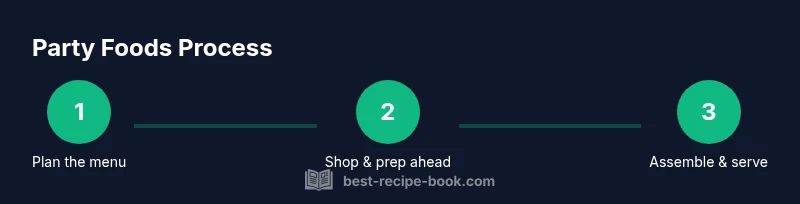
To bring the plan to life, follow a practical playbook that starts weeks before the event and tightens up on the day. Begin with a guest count and dietary survey, draft a 6–8 bite menu, and assign roles if you have helpers. Create a simple prep calendar that identifies what can be made ahead, what needs assembly, and what must be served fresh. Allocate time blocks for shopping, prep, setup, and cleanup, and build in buffer periods for unexpected delays. Documenting the process reduces stress and ensures you can adapt to changes without losing momentum. Best Recipe Book’s framework supports this approach by outlining concrete steps, timelines, and checkpoints to stay organized.
Practical example: Plan a 2-hour window for guest arrivals, with a 30-minute buffer for last-minute assembly and final touches.
Presentation, garnishes, and elevating your spread
Presentation matters as much as flavor. Use cohesive platters, height variance, and a few edible garnishes to elevate the display. Create color contrast with fruits, herbs, and vegetables, and provide simple labels so guests quickly identify what they’re sampling. A dedicated station for sauces and dips with clearly marked spoons and napkins encourages guests to explore more items. Thematic garnishes—such as citrus twists on seafood bites or herb sprigs on cheese boards—boost visual appeal and perceived freshness. Finally, keep a closing “restock” plan to maintain a full, inviting table as guests arrive and depart.
Pro tip: Keep a small backup tray ready to replace items that run low during peak moments.
Troubleshooting common party hiccups and quick fixes
Even with careful planning, hiccups happen. If a dish isn’t popular, swap in a crowd-pleaser or repurpose it into a dip. If guests arrive late, have a few quick-fire bites ready that can be assembled in minutes. Weather or space constraints may require rethinking table layout; ensure there’s a clear flow from kitchen to serving area and accessible trash/recycling. Finally, maintain an eye on the clock to avoid overloading ovens and stifling the kitchen workflow. The key is staying flexible and keeping a calm, can-do mindset throughout the event. Best Recipe Book’s experience underlines the value of adaptable menus and simple, reliable recipes for successful hosting.
Tools & Materials
- Chef’s knife(Stable, 8-10 inch blade for chopping and slicing)
- Cutting boards(At least two surfaces, color-coded if possible)
- Mixing bowls(Set of 3–5 bowls in various sizes)
- Measuring cups and spoons(Dry and liquid measures; label for accuracy)
- Sharpie and labels(Label dishes and allergens by name)
- Serving platters and boards(Varied heights create visual interest)
- Tongs, spoons, and forks(Ensure separate pieces for hot and cold items)
- Food thermometer(Safely check internal temps for proteins)
- Ice trays or coolers(Keep perishables chilled during setup and service)
- Aluminum foil, plastic wrap(Cover and transport prepared items)
- Disposable gloves(Hand hygiene when assembling bites)
Steps
Estimated time: 90-120 minutes
- 1
Plan the menu
Define your guest count, dietary needs, and theme. Draft 6–8 bites that cover vegetarians, meat lovers, and a gluten-free option. Create a simple prep calendar and a shopping list aligned to the plan.
Tip: Start with a base menu of 4 core items and 2 rotating add-ons to stay flexible. - 2
Gather ingredients and tools
Collect pantry staples, fresh produce, dairy, proteins, and flavor boosters. Set out the essential tools and labeling materials so prep runs smoothly.
Tip: Group items by prep stage to streamline assembly. - 3
Make-ahead components
Prepare dips, pickled veggies, marinated proteins, and cheeses that can hold up to a few hours without losing quality.
Tip: Use airtight containers and label with prep date. - 4
Prep fresh elements last
Wash and cut produce, assemble garnishes, and pre-portion sauces closer to serving to maintain texture.
Tip: Keep delicate items on ice until final assembly. - 5
Assemble stations
Arrange a dip station, a bite station, and a beverage station with clear signage.
Tip: Place utensils, napkins, and plates within easy reach. - 6
Set up serving architecture
Build levels with stands or risers to add visual interest and accessible portions.
Tip: Ensure there’s a logical flow from prep to serving. - 7
Keep food safe during service
Monitor temperatures, rotate items, and discard anything left out beyond the safe window.
Tip: Use a simple thermometer check for hot items. - 8
Wrap up and restock
Refresh plates, restock popular items, and collect feedback for future events.
Tip: Have a quick post-event clean-up plan and recycling station.
People Also Ask
What is a party foods recipe and when should I use it?
A party foods recipe is a collection of bite-sized dishes designed for gatherings. It focuses on crowd-friendly bites, make-ahead options, and simple presentation. Use it when hosting for groups to ensure variety, ease of service, and minimal stress.
A party foods recipe is a set of small, easy-to-serve bites for gatherings. It helps you plan, prep, and present food without stress.
How far ahead can I prep party bites?
Many components can be prepared a day ahead, such as dips, marinated veggies, and cheeses. Finish and assemble hot items or delicate garnishes on event day to maintain texture and freshness.
You can prep most dips and marinated items the day before, then finish hot bites right before serving.
What are good crowd-pleasing options for dietary needs?
Offer vegetarian and gluten-free bites, such as veggie skewers, caprese skewers, and dairy-free dips. Clearly label all options and consider a vegan choice to ensure everyone has something they can enjoy.
Make sure there are vegetarian or gluten-free bites, clearly labeled, so everyone can find something they like.
How many bites should I plan per guest?
A common guideline is 6–8 bites per guest for a 2–3 hour event, adjusting up for longer gatherings or heavier appetizers. Plan a mix of 2–3 petite bites per person and 1–2 heartier options.
Plan for about six to eight small bites per guest over a couple of hours.
What safety practices are essential for party prep?
Keep perishable items refrigerated, use separate boards for raw proteins, and avoid leaving hot foods out for more than two hours. Label allergens and provide utensils for safe handling.
Keep foods properly chilled, separate raw foods, and label allergens to keep guests safe.
Watch Video
Key Takeaways
- Plan a balanced 6–8 bite menu
- Make-ahead components reduce stress
- Label allergens for guest safety
- Keep items at safe temperatures during service
- Stay flexible and adjust on the fly