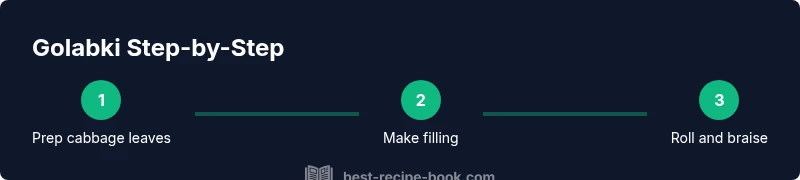
Polish Recipe for Stuffed Cabbage (Golabki): Step-by-Step Guide
Master the classic Polish stuffed cabbage (golabki) with step-by-step guidance, from cabbage prep to tomato-braised rolls. Learn authentic filling, rolling technique, sauce, and serving ideas.


This guide walks you through a classic Polish recipe for stuffed cabbage (golabki), from selecting cabbage leaves to simmering rolls in tomato sauce. You’ll learn a traditional meat-and-rice filling, how to blanch leaves, how to roll the cabbage, and the right braise method for tender, flavorful golabki. This approach prioritizes practical steps you can follow at home, with tips for texture, timing, and saucing.
What is golabki? A Polish stuffed cabbage dish
Golabki, derived from the Polish words gołąb (pigeon) and ki (diminutive), are rolled cabbage leaves stuffed with a savory mixture of ground meat, rice or barley, and onion. This classic dish embodies rural Polish cooking and regional twists across Silesia, Lesser Poland, and Mazovia. In many households, golabki are served at holidays, family gatherings, and Sunday dinners, with debates about whether tomato sauce should be bright and tangy or rich and slightly sweet. The essence is simple: cabbage leaves cradle a hearty filling, then the rolls glide through a slow braise that melds flavors and softens the texture.
For the home cook, mastering golabki means balancing leaf tenderness with filling integrity. Leaf toughness or filling that falls apart can ruin the experience. The Best Recipe Book team found that patient preparation—parboiling leaves until pliable, and a filling that is moist but not loose—produces the most satisfying bites. The rest of the guide will walk you through each stage, from leaf prep to plating, with practical tips and troubleshooting.
Choosing the cabbage and preparing the leaves
Cabbage selection matters as much as the filling. Look for a dense, heavy head with tightly packed leaves. A head with pale green outer leaves often hides tender inner leaves that are easier to roll. For golabki, remove the core, then blanch whole cabbage in salted boiling water until the leaves soften and loosen from the head. Carefully peel off one or two leaves at a time, trimming the thick rib with a sharp knife so the leaf lies flat for wrapping. If outer leaves are too thick, shave down the ribs with a knife to prevent torn wrappers during rolling.
Blanching not only softens the leaves but also helps to preserve their green color during braising. If you have extra leaves, blanch a few later leaves for replacement as you roll. The goal is a pliable but resilient leaf that can hold the filling without tearing. After blanching, lay leaves on a towel to dry briefly before you start filling, preventing excessive moisture from making the filling too loose.
The filling: meat, starch, and aromatics
The traditional golabki filling balances protein with a starchy binder and aromatics. A common combination is ground pork and/or beef with partially cooked rice, finely minced onions, garlic, a beaten egg for binding, and modest seasonings like salt, pepper, marjoram, and paprika. The rice or barley acts as a lightweight binder, absorbing moisture as the rolls braise so they stay cohesive. You’ll want the mixture to hold together when shaped, but not feel rigid or crumbly.
Texture is key: too much rice can produce a dry, crumbly roll, while too little can cause the filling to seep from the wrappers. A reliable tactic is to cook a tiny portion of the filling in a pan to check seasoning and texture before you commit to shaping all the rolls. For a lighter variation, you can substitute a portion of the meat with finely chopped mushrooms or ground turkey, adjusting spices to maintain depth of flavor.
Tomato sauce variations and braising methods
Golabki braises beautifully in a tomato-based sauce, which adds sweetness, acidity, and moisture. A simple version uses crushed tomatoes, stock, and a bay leaf, simmered to a mellow, rich sauce. Some households favor a mushroom-tomato blend or a garlic-tomato base for deeper umami. Regardless of the base, the sauce should be simmering gently so the rolls cook evenly without scorching.
There are two common braising approaches. Oven braising (covered) maintains consistent heat and is forgiving for larger batches. Stove-top braising in a wide, lidded skillet allows for easier checking and stirring. Whichever method you choose, ensure there is enough sauce to come halfway up the rolls; you don’t want them to dry out during long cooking. A gentle simmer also helps the flavors meld and the leaves remain tender.
Rolling technique and assembly tips
Rolling golabki is both art and technique. Place a spoonful of filling near the stem end of a leaf, then fold the sides inward and roll away from you, seam-side down. If a leaf has a thick rib, remove a small wedge so the filling sits evenly. For uniform rolls, trim leaves to create a flat edge and use a ruler-free approach: aim for rolls about the width of your palm. Place rolled cabbage in the dish with the seam side down to minimize unrolling during braising.
Arrange rolls snugly but not tightly, leaving a little space for expansion as they cook. If your dish is crowded, rolls may steam rather than braise, affecting texture. A shallow layer of sauce at the bottom prevents sticking and helps distribute heat. If some leaves are stubborn, patch them with smaller leaves to ensure every roll gets wrapped and stored securely during cooking.
Finishing touches: serving, storing, and reheating
Golabki are typically served hot with a generous spoon of tomato sauce. A dollop of sour cream or a light sprinkle of fresh dill can brighten the platter. Leftovers store well in the refrigerator for several days; they reheat nicely in the microwave or in a gentle oven braise, using the remaining sauce to keep them moist. For advance prep, you can assemble rolls a day ahead and refrigerate unbaked, then braise when ready to serve. Freezing works best if you assemble but do not bake; freeze the rolls on a tray, then transfer to a sealed container and bake later, adding cooking time as needed.
Troubleshooting: common issues and fixes
If rolls split during wrapping, the filling may be too loose or the leaf too thick at the rib. Try refrigerating the filling for 15-20 minutes to improve cohesion and selecting leaves with thinner ribs. If the sauce turns too acidic, a small pinch of sugar or a splash of cream can balance brightness without dulling flavor. Under-seasoning is another frequent pitfall; taste the sauce and adjust salt and pepper after it simmers for a bit. Finally, if the rolls are undercooked in the middle, extend braising time by 15-20 minutes, keeping heat low to prevent drying out.
Tools & Materials
- Head of green cabbage(One medium head; core removed)
- Ground meat (pork, beef, or a mix)(Choose lean to avoid excess grease)
- Rice (parboiled)(White or short-grain; partially cooked)
- Onion(Finely minced)
- Garlic(Optional for extra aroma)
- Egg(For binding the filling)
- Tomato sauce or crushed tomatoes(Base for braising sauce)
- Stock or water(Keeps rolls moist during braising)
- Salt and pepper(Season to taste)
- Dried herbs (marjoram, paprika)(Traditional notes; adjust to preference)
- Cooking oil(For sautéing onions)
- Baking dish or wide skillet(Large enough to hold rolls in a single layer or two)
Steps
Estimated time: 1 hour 45 minutes
- 1
Prepare cabbage leaves
Remove the core of the cabbage and blanch the head whole in salted water until the outer leaves start to loosen. Peel off leaves carefully, keeping them intact. Trim the thick rib on each leaf so it lies flat for wrapping.
Tip: Use kitchen tongs to handle hot leaves and let them cool slightly before filling. - 2
Make the filling
In a bowl, combine the ground meat with partially cooked rice, minced onion, garlic, and a lightly beaten egg. Season with salt, pepper, and marjoram or paprika. Mix until just combined; avoid overworking to keep the filling tender.
Tip: If the mixture feels too loose, chill it for 10-15 minutes to help it hold together when rolled. - 3
Roll the cabbage
Place a spoonful of filling near the stem end of a leaf, fold the sides over, and roll firmly away from you. Repeat with remaining leaves until you have enough rolls for your baking dish.
Tip: Trim largest ribs to create uniform rolls and prevent one extra-thick roll from breaking. - 4
Arrange rolls in the dish
Lay the rolls seam-side down in a single layer or two stacked gently. Pour a little sauce around them to start the braise and prevent sticking.
Tip: If your dish is crowded, consider a second shallow layer with a second sauce layer to keep moisture balanced. - 5
Prepare the sauce
Combine tomato sauce with stock, a pinch of salt, and your chosen herbs. Taste and adjust acidity with a touch of sugar if needed.
Tip: Use a tomato with good flavor; a high-quality crushed tomato makes a noticeable difference. - 6
Braise or bake
Cover the dish and braise in a low oven (or simmer on the stove) until the filling is cooked through and leaves are tender. This usually takes about 60-90 minutes depending on batch size.
Tip: Check halfway; add more liquid if the sauce thickens or rolls look dry. - 7
Rest and serve
Let the golabki rest for 10-15 minutes after removing from heat to set the filling. Serve with extra sauce and optional sour cream or fresh herbs.
Tip: Resting helps the filling firm up so each bite stays cohesive.
People Also Ask
What is golabki and where does it come from?
Golabki are Polish cabbage rolls filled with a meat-and-rice mixture, then braised in a tomato-based sauce. They originate from traditional Polish home cooking and are commonly prepared for family gatherings and holidays.
Golabki are Polish cabbage rolls filled with meat and rice, braised in tomato sauce.
Can I freeze golabki?
Yes, golabki freeze well. You can freeze the rolls before cooking or freeze them after cooking. Thaw before reheating and serve with hot sauce.
Yes, you can freeze golabki, either before or after cooking, then reheat when ready to serve.
Can I use different fillings?
Absolutely. You can substitute turkey, chicken, or plant-based fillings, and adjust moisture and seasonings to maintain flavor and texture.
Yes, you can use different fillings like turkey or vegetarian blends with the right moisture and spices.
Do I need to par-cook the rice?
Par-cooking the rice or using leftover cooked rice helps keep the filling tender and prevents it from becoming mushy during braising.
Par-cook the rice to keep the filling tender when it braises.
What should I serve with golabki?
Golabki pair well with tomato sauce on the side, mashed potatoes, or rye bread. A light cucumber salad adds freshness to balance the meal.
Serve with tomato sauce, mashed potatoes, and a cucumber salad for balance.
Can I make vegetarian golabki?
Yes. Use mushrooms, lentils, or plant-based mince in place of meat. Add extra vegetables or seeds for texture and flavor.
Yes, you can make vegetarian golabki by using mushrooms or lentils in the filling.
Watch Video
Key Takeaways
- Wrap leaves snugly but not tightly for even cooking
- Balance filling moisture to prevent cracking
- Choose a tomato sauce with depth to enrich flavor
- Let rolls rest before serving for best texture
- Freeze unbaked rolls for make-ahead meals