Potato Cakes: A Complete How-To Guide
Learn how to make potato cakes with a crisp exterior and tender interior. This step-by-step guide covers potato selection, binding, shaping, frying, and serving ideas for perfect texture every time.


In this guide you will learn how to make potato cakes with crispy exteriors and tender centers. You’ll start by selecting starchy potatoes, choosing mix-ins, and mastering the pan-fry technique to ensure even browning. Follow the step-by-step process to shape, rest, and fry for best texture. Then, customize with herbs or cheese for extra flavor.
What are potato cakes and why they work
Potato cakes are small, pan-fried patties made from mashed potatoes bound with a touch of flour or egg. The result is a crust that turns golden and crisp on the outside while the interior stays soft and fluffy. This technique is popular in many cuisines because it uses simple pantry ingredients and scales from a single serving to a family-sized batch. The Best Recipe Book Editorial Team emphasizes two keys to success: moisture control and even browning. If the mash is too wet, the cakes crumble; if it’s too dry, they turn dense. The balance comes from a light binder and careful handling. Potato cakes also invite endless variation: you can keep them classic with salt and pepper, or elevate with grated cheese, minced onion, fresh herbs, and a dash of paprika or curry for a gentle warmth. With practice, you’ll achieve reliably crisp edges and tender centers that everyone loves.
Choosing potatoes and flavorings
For potato cakes, the choice of potatoes matters as much as the seasoning. Russet potatoes are starchy and yield a light, fluffy interior, making them ideal when you want a tender crumb. Yukon Golds provide a buttery mouthfeel and a slightly creamy structure that holds together well. If you’re after a lighter bite, you can combine starchy and waxy varieties. After cooking, drain well and let the mash lose heat so you can handle it without scalding. For binding, a small amount of all-purpose flour or cornstarch helps hold shape without turning the mixture stiff. Eggs provide extra structure when you’re making larger batches, but you can omit them for a leaner version if you’re short on time. Flavor boosters like minced onion, garlic, chopped herbs, and grated cheese add depth and aroma. If you’re aiming for a lighter feel, use less binder and more mashed potato, but be mindful of the texture so the cakes don’t crumble. Best Recipe Book notes that tasting the mash before shaping helps you tune seasoning accurately.
Bindings and texture: eggs, starches, and fats
The binding agent is what keeps the cake intact as it cooks. A lightly beaten egg or a generous tablespoon of starch helps the mixture set, but too much binder can produce dense, cake-like cakes. Start with 1 large egg for 1.5 pounds of potatoes, then add 1–2 tablespoons of flour or cornstarch if the mixture seems very loose. If you’re avoiding eggs, a small amount of mashed potato starch or a touch of extra-mashed potato puree can help bind. Fats also influence texture: a little butter folded in adds richness, while neutral oil in the pan keeps the crust crisp without imparting extra flavor. Airy results come from not overworking the potatoes; stir just until the ingredients come together, then let the mixture rest for 10–15 minutes so the starch can hydrate.
Mixing in extra flavors
Beyond salt and pepper, potato cakes shine with add-ins. Grated cheese (cheddar or Parmesan) melts into the mash for a creamy pocket and a savory crust. Finely minced onion or shallot adds sweetness and depth. Fresh herbs—parsley, chives, or dill—brighten the dish, especially when served with a tangy sauce. For a hint of warmth, a pinch of paprika, curry powder, or red pepper flakes works well. If you’re aiming for a lighter version, skip cheese and reduce binders, relying on the potato’s natural starch. Mixing should be gentle: fold in add-ins until evenly distributed but avoid overmixing, which can break down the potato structure and lead to dense cakes.
Shaping and resting for best texture
Once the mixture is ready, portion it into equal sizes for uniform cooking. Roll each portion between lightly floured hands to form compact patties about 1/2 inch (1.25 cm) thick. Resting the formed patties for 10–15 minutes helps the starch hydrate and the binder set, reducing crumbling during frying. If you’re in a rush, skip resting, but be aware it may affect how well the cakes hold their shape. When the patties are cold and firm, you’ll get crisper edges as they hit the hot pan. For easier release, oil hands slightly or dampen with a touch of water before shaping.
Pan-frying: achieving crisp crust
Heat a heavy skillet over medium heat and add a thin layer of oil. The oil should shimmer but not smoke; this is your cue that the pan is at the right temperature. Place patties in the pan without crowding, giving them 2–3 minutes per side to form a deep golden crust. Flip carefully with a spatula and press gently to maintain thickness. Avoid moving the cakes too often; frequent turning can cause them to break apart. Drain on paper towels briefly after cooking to remove excess oil. If you want extra crispiness, finish the cakes in a hot broiler for a minute or two, watching closely to prevent burning.
Oven-baking and air-fryer options
If you prefer not to fry, potato cakes bake or air-fry for a lighter version. Preheat the oven to 425°F (220°C). Lightly oil a baking sheet or spray with nonstick, and bake patties for 12–15 minutes, flipping halfway, until the crust is crisp and the centers are hot. For air frying, place patties in a single layer in a preheated 400°F (200°C) air fryer and cook 8–10 minutes, flipping once. The result is still a satisfying crunch, with less oil than pan-frying. Whichever method you choose, aim for an internal temperature around 165°F (74°C) to ensure safety. If you’re adding cheese, consider baking briefly after adding to let it melt without burning.
Storing, reheating, and make-ahead tips
Leftover potato cakes store well in the refrigerator for 2–3 days in an airtight container. Reheat in a hot pan to restore crispness, or in a toaster oven for a simpler route. For make-ahead, shape patties and freeze them on a tray; once solid, transfer to a bag or container. They can be cooked from frozen, adding a few extra minutes to the frying time. If you’re using dairy, reheat in a moderate oven rather than microwaving to avoid sogginess. When storing, separate layers with parchment to prevent sticking. Fresh herbs or a squeeze of lemon can brighten reheated cakes. Best Recipe Book suggests labeling batches with the type of mix-ins you used to simplify future cooking.
Troubleshooting common issues
Crumbled cakes usually indicate too much moisture or too little binder. Dry the mash well and add 1 extra teaspoon of flour or binder if needed. If cakes fall apart in the pan, chill formed patties 15 minutes before frying to help them set. Soggy crusts come from oil that’s not hot enough; ensure the surface is hot and use a pan that distributes heat evenly. A greasy finish means you used too much oil or the cakes released excess moisture; pat the tops gently before serving. If you taste flat flavors, balance with salt or a dash of acid (lemon juice or vinegar) to awaken the palate.
Serving ideas and variations
Potato cakes pair with a wide range of sauces and sides. Classic sour cream, chive yogurt, or a bright lemon-dill yogurt dip works beautifully. For a bolder taste, top with smoked salmon, crisp bacon, or a dollop of herbed crème fraîche. Think of potato cakes as a starter or as a main with a green salad or sautéed vegetables. If you’re cooking for kids, reduce spices and offer a simple cheesy version. For a gluten-free version, skip the flour and rely on the starch of the potatoes or use a gluten-free binder. Experiment with herbs like thyme or tarragon for a refined finish, or add grated zucchini or carrot for extra moisture and color. The beauty of potato cakes lies in their adaptability: they welcome your pantry picks and seasonal produce.
Nutritional considerations and dietary adaptations
Potato cakes are naturally gluten-free if you avoid gluten-containing binders. They can be dairy-free if you omit cheese and use oil for frying. To boost fiber and nutrition, consider adding finely grated vegetables like carrots, zucchini, or spinach into the mash. The portion size matters when watching calories, so pair with lightweight toppings and a crisp salad. If you need a lower-sodium version, cut back on salt and rely on herbs and citrus to brighten flavors. Remember that the potato itself contributes carbohydrates, so balance the dish with protein at the same meal for a satisfying and complete plate.
Tools & Materials
- Russet potatoes(about 1.5-2 pounds (680-900 g), peeled and cut into chunks)
- Yukon Gold potatoes (optional)(use if you want a creamier texture)
- Eggs, large(1 large egg per 1.5 pounds potatoes; adjust for batch)
- All-purpose flour or cornstarch(1-2 tablespoons to help binding if the mash is very wet)
- Salt(to taste; start with 1/2 teaspoon per 1.5 pounds potatoes)
- Black pepper(freshly ground, to taste)
- Onion, finely minced(yellow or white onion for sweetness)
- Garlic, minced(optional)
- Grated cheese (optional)(cheddar or Parmesan for richness)
- Fresh herbs (optional)(parsley, chives, or dill)
- Vegetable oil or canola oil for frying(enough to shallow fry or cover pan)
- Mixing bowls, spatula, whisk(one large bowl and one smaller)
- Potato ricer or masher(to achieve smooth mash)
Steps
Estimated time: 40-60 minutes
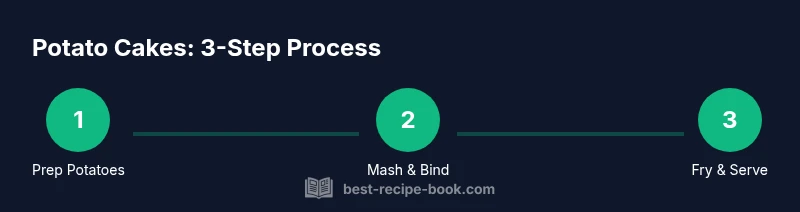
- 1
Prep the potatoes
Peel and dice potatoes into even chunks, then rinse. Boil or steam until tender so they mash smoothly. Allow them to steam dry for a couple of minutes before mashing.
Tip: Cut pieces uniform in size for consistent cooking. - 2
Cook until tender
Cook until a fork easily slides through potatoes. Drain thoroughly and let steam evaporate to remove extra moisture. Excess water will make the cakes soggy.
Tip: Spread the mash on a parchment-lined tray to cool faster. - 3
Drain and dry thoroughly
Return the hot-potato mash to the pot or a warm bowl and let excess moisture steam off for 5–10 minutes. Dry mash binds better and caramelizes more evenly when fried.
Tip: Use a clean towel to dab off surface moisture. - 4
Mash and cool slightly
Mash potatoes until smooth or leave a few small lumps for texture. Let cool slightly so you don’t scramble the binder when mixing in.
Tip: A cooler mash absorbs binders more evenly. - 5
Bind the mixture
Stir in beaten egg and a small amount of flour or cornstarch. Season with salt and pepper; aim for a cohesive, not wet, mixture.
Tip: Start with 1 tablespoon flour; add more only if needed. - 6
Add flavors
Fold in grated cheese, onion, garlic, and herbs. Balance these add-ins so the potato flavor remains front and center without overpowering.
Tip: Grate cheese finely to help it melt into the mash. - 7
Shape patties
Divide into equal portions and form into compact patties about 1/2 inch thick. Rest for 10–15 minutes to help them bind and hold shape.
Tip: Lightly flour hands to prevent sticking. - 8
Cook to golden perfection
Pan-fry in a hot, oiled skillet until crisp and golden on both sides. Do not crowd the pan; work in batches if needed.
Tip: Pat the tops lightly with a paper towel after frying to remove excess oil. - 9
Rest and serve
Let the cakes rest briefly after cooking to finish setting. Serve with a tangy sauce or fresh herbs for contrast.
Tip: Pair with a yogurt-dill dip for brightness.
People Also Ask
What are potato cakes?
Potato cakes are patties made from mashed potatoes bound with a small amount of egg or starch, then pan-fried until crisp. They can be customized with cheese, onions, and herbs.
Potato cakes are mashed potato patties bound with a little egg or starch and fried until crisp.
Can I make potato cakes ahead?
Yes. Shape the patties and refrigerate for up to 24 hours, or freeze them on a tray before transferring to a bag. Fry or bake from chilled or frozen as needed.
Yes, you can shape them ahead and refrigerate or freeze for later use.
Are potato cakes gluten-free?
They can be gluten-free if you use gluten-free binders like cornstarch or gluten-free flour and avoid adding wheat-based ingredients.
Yes, you can make gluten-free potato cakes with the right binder.
What potatoes work best?
Russet potatoes give a light, fluffy interior, while Yukon Golds offer a creamier crumb and natural sweetness. A mix is also great for balance.
Russet for fluff, Yukon Gold for creaminess, or a mix for best texture.
Can I freeze cooked potato cakes?
Yes, freeze after shaping and before frying. Reheat in a hot pan or oven to restore crispness.
Yes, you can freeze them and reheat later.
What sauces pair well?
Sour cream, yogurt-dill dip, or a tangy tomato relish complement the soft interior and crisp crust nicely.
Try sour cream or yogurt-dill sauce with these.
Watch Video
Key Takeaways
- Choose starchy potatoes for a fluffy interior.
- Dry mash thoroughly to prevent soggy cakes.
- Bind lightly and avoid overworking the mixture.
- Cook until deep golden and crisp for best texture.