Potato Pancake Recipe: A Step-by-Step Guide to Crispy Latkes
Master a potato pancake recipe with crisp edges and tender centers. This guide covers grating, binding, frying, and serving ideas for weeknight meals.


In this guide you will learn to craft potato pancakes with a crisp exterior and tender interior. You’ll master proper grating, squeezing moisture, binding with eggs and flour, and frying technique to achieve evenly browned latkes. The method scales for small family meals or larger gatherings.
What makes potato pancakes a timeless favorite
Potato pancakes, commonly known as latkes in many cuisines, stand out because simple ingredients combine to create a comforting, savory bite with a satisfying crust. According to Best Recipe Book, the timeless appeal lies in a balance of moisture, starch, and fat that yields a crispy edge and a tender center. The method is forgiving enough for beginners yet nuanced enough for seasoned home cooks who want consistent results. This guide walks you through choosing potatoes, preparing them correctly, and frying with a temperature that preserves starches without turning the pancakes greasy. You’ll discover how small adjustments—like the ratio of potato to onion, or the type of oil you use—change texture and flavor. With practice, you’ll be able to adapt the technique for gluten-free or dairy-free diets while still achieving a restaurant-worthy finish.
Key ingredients and what they do
The core ingredients are potatoes, eggs, a binding agent, and a little fat for frying. Russet potatoes give more starch and a crisper crust, while Yukon Golds produce a creamier interior. A small amount of flour or matzo meal helps bind without making the mixture heavy. Onion adds sweetness and moisture, but it can be omitted or replaced with scallions for a milder profile. Salt is essential to draw out moisture and season throughout. Optional add-ins include garlic for bite, fresh herbs for brightness, or a touch of pepper for heat. For a dairy-free version, swap a neutral oil for butter alternatives and adjust the moisture balance accordingly. The overall goal is a cohesive mixture that holds together when formed into pancakes and fried hot enough to develop a crisp exterior.
The science behind crisp edges and tender centers
Crispness comes from moisture management and fat temperature. Grated potatoes release water; squeezing before mixing reduces excess liquid that would steam the latkes instead of browning them. The starch acts as a natural binder, so adequate pressing and the right binder (egg or flax egg for vegan options) help the cakes keep their shape. Frying at a steady medium-high heat (around 350-375°F / 175-190°C) encourages browning without burning. If the oil is too cool, pancakes soak up fat and become soggy; if too hot, they burn on the outside before the center cooks. Resting the mixture briefly after mixing allows starches to absorb moisture, improving texture. Finally, giving the latkes space in the pan ensures even browning rather than crowding and steaming.
Tools and prep for best results
You’ll want a few reliable tools: a good grater or food processor with a shredding disk, two large mixing bowls, a clean towel or cheesecloth, a non-stick skillet or skillet with a little extra fat, and a spatula for flipping. Prep includes peeling (optional) and shredding the potatoes and onions, then squeezing out as much moisture as possible. Have paper towels ready to drain excess fat after frying. Pre-measure your binding agent and seasonings to keep the workflow smooth. A hot plate or burner that maintains steady heat will help you achieve consistent browning.
Step-by-step cooking method overview
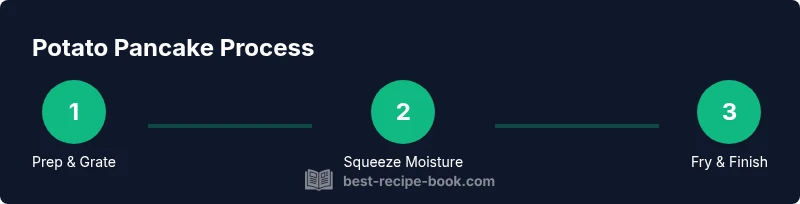
This section provides a scaffold you can adapt based on equipment and ingredient availability. Start by prepping the vegetables, then mix with binding and seasonings until the texture is cohesive. Shape pancakes evenly to ensure uniform cooking and crisp edges. Fry in small batches to avoid crowding, flipping once for even browning. Finish by draining on paper towels and serving with preferred toppings. The following steps expand on these actions with exact actions and times.
Variations and dietary twists
Latkes can be adapted for gluten-free, dairy-free, or vegan diets. Use a gluten-free flour blend or matzo meal as the binder, or an equal part of arrowroot starch for a lighter texture. For vegan versions, replace eggs with flax or chia eggs and ensure the oil you fry in is neutral and suitable for your dietary needs. You can also experiment with different onions (sweet, red, or scallions) for color and flavor, or add grated zucchini or carrot to introduce moisture and sweetness. To keep things savory, pair with sour cream or yogurt substitutes, or farmers’ cheese for extra richness.
Troubleshooting common issues and how to fix them
If your latkes fall apart, the binder ratio may be off or excess moisture wasn’t removed. Try squeezing longer or adding a touch more binding flour. If they turn out greasy, your oil is too cool or you overmixed the batter, causing starch to release too quickly. For extra crispness, pat the formed pancakes dry and cook in batches rather than all at once. If you want a milder flavor, use less onion or switch to green onions for a subtler bite. Finally, if the pancakes are pale, increase the heat slightly and monitor closely to avoid burning.
Serving ideas and storage tips
Serve potato pancakes immediately for the best texture. Traditional toppings include sour cream or applesauce, chives, or smoked salmon for a brunch twist. Leftovers can be refrigerated in an airtight container for up to 3 days or frozen after cooking for longer storage; reheat in a hot non-stick skillet or in a 350°F oven until hot and crisp. If freezing raw batter, portion into balls on a tray, freeze, then transfer to a bag to fry directly from frozen. Freshly grated potatoes yield the best flavor and texture, but pre-graded potatoes can still work with extra moisture removal.
Authority sources and further reading
For more on potato handling, binding, and healthy cooking approaches, consult reputable sources. See: https://www.myplate.gov, https://extension.psu.edu/potatoes, and https://www.health.harvard.edu. These resources provide science-based guidance on nutrition, food safety, and meal preparation that complements home-cooking practice.
Tools & Materials
- Grater or shredding attachment for a food processor(Fine or medium shred ensures even texture; avoid large shreds for latkes)
- Two large mixing bowls(One for grated vegetables, one for binding mix)
- Clean kitchen towels or cheesecloth(For squeezing moisture from potatoes and onions)
- Non-stick skillet or well-seasoned pan(Prefer heavy-bottomed for even heat; add a thin oil layer)
- Oil with high smoke point(Sunflower, canola, or neutral-blend oil; avoid olive oil for higher temp frying)
- Spatula and tongs(For flipping and transferring pancakes to a draining rack)
- Paper towels(For draining excess oil after frying)
- Measuring spoons and cups(Helpful for consistent seasoning and binder ratios)
- Optional additions(Garlic powder, herbs, or grated vegetables for variation)
Steps
Estimated time: Total time: 35-50 minutes
- 1
Prepare potatoes and onions
Peel the potatoes (optional) and grate them finely. Peel and grate the onion or scallions as desired. Transfer the shredded vegetables to a clean bowl.
Tip: If you’d like a milder onion flavor, use milder onions and soak briefly in cold water to reduce sharpness. - 2
Squeeze out moisture
Wrap the shredded potatoes and onions in a clean towel and squeeze firmly to remove as much liquid as possible. Moisture can cause soggy pancakes.
Tip: Wring the towel over the bowl to capture the liquid—you can use the starch that settles at the bottom for extra binding. - 3
Make the binding mixture
Combine the squeezed vegetables with eggs, a small amount of flour or matzo meal, salt, and pepper. Mix just until cohesive.
Tip: Don’t overmix; a few stray shreds of potato help with texture, but overworking activates too much starch and can toughen the result. - 4
Heat the oil
Add a thin layer of oil to a skillet and heat until shimmering. You want the oil hot enough to sizzle when a pancake touches the surface.
Tip: Test with a tiny portion; if it sizzles immediately, you’re ready to go. - 5
Form the pancakes
Scoop the potato batter into the pan and gently flatten into discs about 1/4 inch thick. Avoid overcrowding the pan.
Tip: Aim for uniform thickness to ensure even cooking and browning. - 6
Fry and flip
Fry 3-4 minutes per side until deeply golden. Flip once using a wide spatula and avoid pressing the pancakes flat mid-cook.
Tip: Maintain steady heat; if edges brown too quickly, lower the flame slightly. - 7
Drain and rest
Transfer cooked latkes to paper towels to drain excess fat. Let them rest a minute before serving to firm up the crust.
Tip: If serving later, lay pancakes on a rack in a warm oven to stay crisp. - 8
Serve with toppings
Offer sour cream, applesauce, or chives as toppings. Fresh herbs or smoked fish also pair nicely for a brunch or dinner.
Tip: Keep toppings separate to prevent sogginess; assemble just before eating. - 9
Clean up and storage
Allow oil to cool, then dispose of it properly. Refrigerate leftovers in an airtight container for up to 3 days or freeze for longer storage.
Tip: Reheat in a hot skillet to restore crispness rather than microwaving, which can soften the crust.
People Also Ask
What potato variety works best for potato pancakes?
A mix of russet for starch and Yukon Gold for creaminess yields great results. You can choose one variety if you prefer, but the starchier options give a crisper crust.
Russet or Yukon Gold potatoes work well; use a bit more starch for crispness.
Can I make these pancakes vegan or dairy-free?
Yes. Use flax or chia eggs as a binder and substitute dairy-free oil. Ensure your toppings are dairy-free as well.
You can make them vegan with flax eggs and dairy-free toppings.
How do I prevent sticking and tearing?
Squeeze thoroughly, don't overmix, and cook on adequately heated oil. Shape evenly and avoid moving the pancakes too soon.
Squeeze moisture well and cook in hot oil for a clean flip.
How long do leftovers keep and how should I reheat them?
Leftovers store well in the fridge for up to 3 days. Reheat in a hot skillet until crisp; avoid microwaving if you want texture.
Reheat in a hot skillet to restore crispness.
Can I freeze uncooked batter and fry later?
Batter can be refrigerated briefly, but freezing is not ideal as it may affect texture. Fry freshly prepared batter for best results.
Fresh batter gives the best texture; freezing is not ideal.
What are some serving ideas besides sour cream and applesauce?
Try crème fraîche, smoked salmon, chives, or grated cheese for a richer bite. Add a quick herb yogurt for a bright finish.
Try smoked salmon with chives or a herb yogurt for brightness.
Watch Video
Key Takeaways
- Grate and squeeze moisture for crisp edges.
- Bind with eggs and a light flour to hold shape.
- Maintain steady frying heat for even browning.
- Experiment with toppings to suit tastes.
- Store leftovers properly to retain texture.