Latkes Potato Pancakes: A Step-by-Step Guide
Master latkes with a reliable, step-by-step potato pancake recipe. Learn grating, squeezing moisture, frying temperature, and toppings for crisp, restaurant-worthy latkes.


By following this guide, you will craft crisp, golden latkes using potatoes, onions, and simple pantry staples. You’ll learn exact quantities, a hands-on grating-and-squeezing technique to minimize moisture, and a skillet method that yields uniform browning. This step-by-step latkes recipe from Best Recipe Book shows you how to get consistent, restaurant-worthy results at home.
What are latkes? A brief overview of potato pancakes
According to Best Recipe Book, latkes are traditional potato pancakes that celebrate the humble potato with a crispy exterior and tender interior. This recipe latkes potato pancakes guide demonstrates how a simple mix of grated potatoes, onions, eggs, and a little flour can transform into a versatile dish. Latkes span many variations, from classic Jewish preparations to modern twists with herbs or cheese. The core technique is moisture management: the drier the shredded potatoes, the crisper the pancake. You’ll see how balancing starch and moisture yields a sturdy batter that holds together in the pan and browns evenly. Throughout this guide, you’ll encounter practical steps you can apply to similar pan-fried potato recipes, just as home cooks do in bustling kitchens. As you read, notice how this approach emphasizes consistency,; using measured quantities and a steady frying process to reproduce great results every time.
Ingredients you'll need for perfect latkes
- Potatoes, preferably starchy varieties such as Russet (about 2 pounds / 900 g)
- Onion, medium (1 large)
- Eggs, large (2)
- All-purpose flour (2–4 tablespoons)
- Salt (1 teaspoon)
- Pepper (1/2 teaspoon)
- Neutral oil for frying (vegetable, canola, or grapeseed)
- Optional: grated garlic, pinch of paprika, or chopped fresh herbs for flavor variation
This section provides a reliable baseline. You’ll notice that the quantities are designed to be forgiving for home cooks, allowing you to adjust for larger batches or smaller appetites. The key is balance: enough potato and starch to bind, enough moisture to avoid dryness, and a modest fat content for crisp edges. If you prefer a gluten-free version, you can substitute gluten-free flour or a starch like cornstarch in place of all-purpose flour. Keep the ingredients simple and high-quality to let the potato flavor shine through.
Tools and equipment for crispy latkes
- Heavy skillet or cast-iron pan, 10–12 inches (28–30 cm) diameter
- Box grater or food processor shredding disk
- Mixing bowl for batter
- Cheesecloth or clean kitchen towel for moisture squeezing
- Spatula or tongs for turning
- Paper towels and a plate for draining
- Measuring spoons and a kitchen scale (optional but helpful)
- Tall, flat plate or rack for resting latkes after frying
Choosing the right tools makes a big difference. A heavy pan maintains steady heat, which is essential for even browning. A sturdy grater or processor helps you achieve fine, uniform shreds that cook evenly. The moisture-squeeze step is your best friend here; the more you wring out, the crisper the final latke will be.
Step-by-step overview for latkes
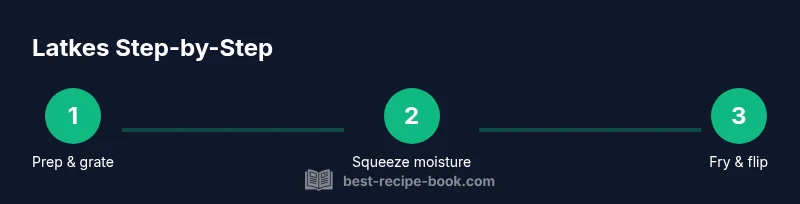
This section provides a concise roadmap for the latkes. You’ll grate the potatoes and onion, remove excess moisture, mix with eggs and flour, form small patties, and fry until deeply golden. The overview emphasizes timing and temperature: preheat the oil, manage the batter heft, and avoid overcrowding the pan. You’ll learn how to adjust the batter if it feels too loose or too stiff, ensuring consistent results from batch to batch. While you can skip this overview if you’re confident, many home cooks benefit from a quick refresher before diving into the full sequence.
Techniques for achieving crisp latkes
Crisp latkes come from three main factors: moisture control, proper binding, and precise frying temperature. First, remove as much moisture as possible from the grated potatoes; a dry mass is key to browning rather than steaming. Second, use a light binding with eggs and just enough flour to hold the shape without weighing down the batter. Third, keep the oil hot but not smoking; aim for around medium-high heat and cook in small batches to prevent temperature drop. If the latkes cling to the pan, you can add a touch more flour or adjust the moisture by squeezing longer. The result is a crisp edge with a soft, creamy interior that stays intact when flipped.
Serving ideas and variations for latkes
Latkes pair with traditional toppings like sour cream and applesauce, but they are also delicious with smoked salmon, chives, or a dollop of crème fraîche. For a creative twist, try adding grated zucchini for extra moisture balance or folding in finely chopped herbs like dill or parsley. If you want heartier latkes, an inexpensive cheese such as sharp cheddar can be folded into the batter. With any variation, ensure the core technique—moisture management and safe frying—remains the same, so flavor enhances the crisp texture rather than overpowering it.
Troubleshooting common issues with latkes
If latkes are soggy, you likely didn’t dry the potatoes enough or the pan heat dropped when you added batter. Solution: press out more moisture and give the latkes enough space to fry without intersecting. If they crumble when you flip, your binding ratio may be too light; add a little more egg or flour, then rest the batter briefly. If browning unevenly, adjust the flame or temperature and fry in smaller batches to maintain heat. Finally, if the oil foams excessively, the moisture content is too high; drain some of the liquid and re-seal the potatoes with a quick squeeze.
How to store and reheat latkes for maximum crispness
Leftover latkes can be stored in a single layer on a plate with a light cover for up to 2 days in the refrigerator. To reheat and regain crispness, place them on a rack in a 375°F (190°C) oven for about 10 minutes, or rewarm in a hot skillet with a small amount of oil. Avoid microwaving if you want the crisp edges, as it tends to soften the exterior. If you’re preparing in advance, par-cook the latkes in advance and finish frying just before serving for best texture.
Tools & Materials
- Heavy skillet or cast-iron pan(10–12 inch diameter; ensures even heat distribution)
- Box grater or shredding disk(Fine or medium shred for uniform texture)
- Mixing bowl(Sturdy to hold grated ingredients)
- Cheesecloth or clean towel(For wringing out moisture)
- Spatula or tongs(For gentle turning and flipping)
- Paper towels(To drain excess oil between batches)
- Measuring spoons or scale(Helpful for precise seasoning)
- Neutral oil with high smoke point(Canola, grapeseed, or light olive oil; enough to shallow-fry with 1/4–1/2 inch depth)
Steps
Estimated time: 45-60 minutes
- 1
Prep and grate
Peel the potatoes and onion, then grate them finely. Transfer to a bowl of cold water to prevent discoloration and keep the texture loose. Rinse gently, then drain well; pat dry to remove surface moisture.
Tip: Chill the grater and potatoes briefly for easier handling and crisper results. - 2
Squeeze moisture
Wrap the grated potato-and-onion mixture in a clean towel or cheesecloth. Squeeze firmly to remove as much liquid as possible. The drier the mix, the crisper the latkes will be.
Tip: Aim for a dry mass that still holds some potato strands for texture. - 3
Make batter and season
In a bowl, whisk eggs with salt and pepper. Add the squeezed potato mixture and just enough flour to bind lightly. Stir until combined but not overworked; a loose batter yields lighter latkes.
Tip: If the batter seems too wet, add another teaspoon of flour and rest 5 minutes. - 4
Heat oil
Preheat the oil in the skillet over medium-high heat. It should shimmer but not smoke. Maintain an even medium-high temperature to prevent sticking and to promote browning.
Tip: A good test: drop a small dollop of batter; it should sizzle and rise gently. - 5
Fry latkes
Form small patties (about 3–4 inches) and place in the hot oil, leaving space between them. Fry 2–3 minutes per side until deeply golden and crisp. Flip once for even browning.
Tip: Do not crowd the pan; crowding lowers the oil temperature and softens the crust. - 6
Drain and rest
Transfer fried latkes to a rack or plate lined with paper towels to drain excess oil. Let them rest 2–3 minutes before serving to set the crust.
Tip: If serving with toppings, keep latkes warm in a low oven while finishing the rest.
People Also Ask
What are latkes, and how do they differ from potato pancakes?
Latkes are shallow-fried potato pancakes traditionally served with applesauce or sour cream. They differ from generic potato pancakes by often using a binding agent and a crispy oil-fried finish, resulting in a distinct texture and flavor.
Latkes are potato pancakes fried until crisp, usually with a binding like egg and a small amount of flour. They’re traditionally served with applesauce or sour cream.
What oil works best for frying latkes?
Choose oils with a high smoke point such as canola, grapeseed, or light olive oil. These oils tolerate frying heat without imparting heavy flavors, helping the latkes stay crisp.
Use oil with a high smoke point like canola or grapeseed so the latkes fry crisply without smoking.
Can I make latkes ahead of time?
Yes. Latkes can be prepared ahead of time up to a point: grate and squeeze the potatoes, then refrigerate the mixture for up to a few hours. Fry just before serving for best texture.
You can grate and squeeze ahead, then fry right before serving for best crispness.
How do I prevent latkes from sticking to the pan?
Keep the oil hot but not smoking, avoid overcrowding, and ensure the latkes have enough space to form a crust before turning.
Make sure there’s space in the pan and the oil is hot enough so the crust forms quickly.
What toppings go well with latkes?
Classic toppings are applesauce and sour cream. You can also pair with smoked salmon, chives, or a dollop of crème fraîche for a savory twist.
Try sour cream with applesauce, or elevate with smoked salmon and chives.
Watch Video
Key Takeaways
- Grate and dry potatoes thoroughly for crust.
- Balance binding agents to avoid dense latkes.
- Fry in batches at steady heat for even browning.
- Drain well and serve with complementary toppings.