Protein Ice Cream: A Step-by-Step Guide for Healthy, High-Protein Treats
Learn to make creamy, high-protein ice cream at home with dairy or dairy-free bases. This guide covers ingredients, tools, steps, and tips for a delicious, protein-packed dessert.


Learn how to make protein ice cream at home with a dairy or dairy-free base. You’ll balance protein with creaminess, choose the right base and protein powder, and churn or blend for scoopable texture. This guide covers ingredients, tools, step-by-step instructions, flavor ideas, and practical tips for a delicious high-protein dessert.
Why protein ice cream fits into a balanced diet
Protein ice cream is a practical way to reach daily protein targets while enjoying a dessert. For athletes, active adults, and busy families, it combines the indulgence of ice cream with the benefits of higher protein content. According to Best Recipe Book, choosing protein-forward desserts can support satiety and recovery without excessive sugar or unhealthy fats. In this section, we’ll explore how protein ice cream aligns with nutrition goals, how to read labels, and how to tailor the recipe to different needs (low lactose, dairy-free, or higher fiber). You’ll discover how to keep texture creamy, flavors appealing, and portions controlled, turning a simple scoop into a reliable post-workout treat or family-friendly snack. We’ll also discuss how to swap ingredients without sacrificing protein or taste, so you can customize the recipe to your pantry and preferences.
As you explore, think about your protein source, base, and sweetness level. The goal is a dessert that supports your goals rather than derailing them. This mindset helps you build confidence in your kitchen and encourages experimentation with flavors and textures that suit your lifestyle. Best Recipe Book’s editorial team emphasizes practical, step-by-step methods that home cooks can replicate easily, so you can enjoy a protein-rich dessert with minimal fuss.
Protein sources and bases
The foundation of protein ice cream is the base and the protein powder, chosen to match your texture and flavor goals. Dairy bases (milk, yogurt, or cream) offer natural creaminess, while non-dairy bases (almond, soy, oat, or coconut milk) provide lactose-free options. Protein powders vary in amino acid profiles and thickening properties. Whey tends to yield creaminess but can introduce lactose concerns for sensitive eaters; casein thickens well for scoopable results; plant proteins (pea, soy, rice) can be blended with fats or gums to improve texture. When selecting your base, consider fat content and mouthfeel—fats carry flavor and influence melt rate. For protein, aim for powders formulated for desserts or those with neutral or chocolate flavors that pair well with base ingredients.
In practice, a typical protein ice cream base might use 1 cup of liquid per serving and 1 scoop of protein powder. If you’re dairy-free, a blend of almond milk and coconut cream offers both richness and protein flexibility. Flavor pairing is key: vanilla, cocoa, coffee, or fruit purées work well across bases. For nutrition balance, track protein grams per serving and adjust sweetness to taste. Remember that plant proteins may require slightly more fat or binder to achieve a creamy texture. The right combination of base, protein, and flavor will help you avoid a gritty or icy mouthfeel while delivering your protein targets.
Flavor and texture: balancing protein and creaminess
Creaminess and protein density can be opposing forces if not balanced carefully. Fat in the base is a primary contributor to a smooth, scoopable texture, so you may want to include a small amount of dairy fat or a dairy-free fat substitute when using lean bases. Emulsifiers like lecithin or a small amount of psyllium husk can stabilize the mixture and reduce ice crystals. If you notice iciness, adjust by increasing fat slightly or using a tiny amount of yogurt or coconut cream. Churning helps incorporate air and create a lighter texture; without churn, a blender-and-freeze approach can still yield a tasty result with careful temperature control.
Flavor intensity matters too. Floral or delicate flavors can taste weak if the base lacks fat, so boost with vanilla extract, cocoa, or espresso. For health-minded tweaks, consider adding a small amount of avocado or banana to enhance creaminess without a calorie spike. Texture experimentation is part of the process—take notes on which ratios give you the creamiest mouthfeel and the best protein balance.
Dairy-free and allergen-friendly options
Dairy-free protein ice cream opens up options for those with lactose intolerance or dairy allergies. A base of almond, oat, or coconut milk can be enriched with fats like coconut cream or avocado to improve creaminess. Plant proteins can be integrated with blends such as pea and rice to achieve a complete amino acid profile, though texture may require extra binders like xanthan gum or guar gum. When choosing flavorings, keep in mind that certain flavors (like vanilla or cocoa) pair well with nut or seed milks, while fruit-forward flavors may need additional stabilizers to prevent separation.
Allergen-friendly approaches also benefit from simple ingredient lists: choose unsweetened milks, neutral-tiber powders, and natural sweeteners. If you avoid dairy, check for cross-contact warnings on protein powders and consult labels for allergens. This section highlights flexible substitution strategies so you can enjoy protein ice cream without compromising dietary needs.
Sugar, sweetness, and nutrition labeling
Sweetness is a balancing act in protein ice cream. Start with a modest amount of your preferred sweetener and adjust after chilling. Natural alternatives like ripe banana or date puree can add sweetness and body, while keeping added sugars under control. For those tracking macros, focus on protein per serving and total calories rather than grams of sugar alone. Reading nutrition panels helps you compare protein density across brands and ingredients. In practice, the goal is a dessert that satisfies cravings and aligns with your nutrition plan, not an over-sweetened treat that undermines your goals.
If you produce multiple batches, maintain a consistent label of servings and portions to simplify daily tracking. The ability to quantify protein per scoop helps with meal planning and macro counting, especially for athletes and active individuals.
Common mistakes and how to fix them
Common mistakes include over-freezing, which leads to icy texture; under-churning, which yields a dense, icy mouthfeel; and using too little fat, which reduces creaminess. Another pitfall is choosing a protein powder that doesn’t mix well with the base, leaving lumps or a grainy texture. To fix these issues, adjust fat content, choose a flavor-compatible base, and blend in short bursts to prevent overheating powders. If the mixture won’t blend smoothly, try a splash more liquid or a tiny amount of avocado, yogurt, or cream. Finally, ensure the mixture is fully chilled before churning to minimize ice crystals. With careful tweaks, you can consistently produce protein ice cream that tastes great and meets your protein goals.
How to customize with add-ins
Add-ins like dark chocolate chips, cacao nibs, peanut butter swirls, or berry purée can boost flavor without drastically changing texture. For crunch, sprinkle roasted nuts or granola toward the end of churning. Fresh or frozen fruit adds brightness but introduces moisture, so consider adding it after churning or freezing in small portions to prevent ice crystals. When experimenting with add-ins, record amounts and order of incorporation to reproduce your favorite versions. The goal is a protein ice cream that reflects your taste preferences while keeping protein density intact.
Tools & Materials
- Blender with ice-cream or high-speed blending capability(For no-churn options, a blender can be used; a dedicated ice-cream maker yields best texture.)
- Ice cream maker or freezer-safe container(Churning is ideal; if unavailable, freezing with occasional stirring helps.)
- Measuring cups and spoons(Precise protein powder and liquid measurements improve results.)
- Protein powder (whey, casein, plant-based)(Choose flavor compatible with your base; consider blends.)
- Milk or dairy-free milk(Adjust fat content; unsweetened varieties are best for control.)
- Low-calorie sweetener (optional)(Erythritol, stevia; taste and adjust to preference.)
- Fat source (cream, coconut cream, avocado)(Enhances creaminess when using lean bases.)
- Binder/stabilizer (optional)(Xanthan gum, guar gum can improve scoopability.)
- Freeze-safe storage container(For storing leftovers and maintaining texture.)
Steps
Estimated time: 25-45 minutes active + 1-2 hours freeze
- 1
Gather ingredients and equipment
Lay out all ingredients and tools before you start to avoid missing items. This clarifies quantities and ensures smooth workflow. Having everything within reach helps you stay focused and reduces mistakes.
Tip: Set a mise en place for dairy/non-dairy options to minimize cross-contamination. - 2
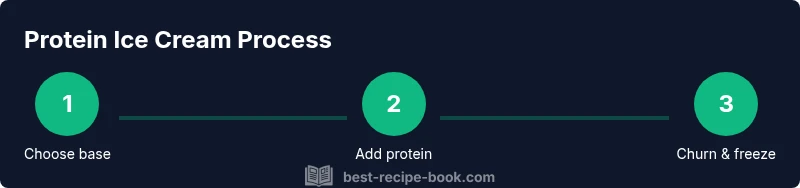
Choose base and protein
Decide whether you’ll use dairy or dairy-free base and pick a suitable protein powder. Consider texture goals: whey and casein yield creaminess, plant proteins require binders for smoothness.
Tip: If unsure, start with a neutral base (vanilla) and a whey protein for best texture. - 3
Blend base and protein until smooth
Combine the liquid base with protein powder and any flavorings. Blend until you have a homogenous mixture with no clumps. A few short bursts are better than prolonged blending to avoid heat buildup.
Tip: If you notice lumps, sift the powder first or blend in two stages. - 4
Chill the base
Refrigerate the base for at least 20–30 minutes to improve texture and prevent ice crystals during freezing. Chilling helps the proteins set properly and makes churning easier.
Tip: A cold base churns more evenly and reduces the chance of icy pockets. - 5
Churn or blend for texture
If you have an ice cream maker, churn according to the manufacturer’s instructions until soft-serve consistency. If you’re using a blender-no-churn method, pulse in short bursts and scrape the sides to maintain consistency.
Tip: Don't over-churn; stopping just before it reaches peak creaminess prevents over-soft texture. - 6
Freeze to scoopable texture
Transfer to a freezer-safe container and freeze for 1–2 hours for scoopability. For longer storage, cover tightly to prevent freezer burn and flavor transfer.
Tip: If the mixture is still soft after 2 hours, let it sit at room temperature for 5–10 minutes before scooping. - 7
Add-ins and flavor tweaks
Stir in add-ins like cocoa nibs, nuts, or fruit after the initial churn to maintain texture. If using fruit, add in small portions to avoid excessive moisture.
Tip: Add add-ins gradually to preserve the protein-to-fat balance. - 8
Serve and store properly
Scoop and enjoy or store in an airtight container in the freezer. Label with date and flavor to track freshness and align portions with your meal plan.
Tip: Keep portions controlled to manage calorie and protein targets.
People Also Ask
What protein is best for protein ice cream?
Whey and casein both work well for creaminess, but plant proteins are great for dairy-free versions. Texture varies by powder, so try a small batch to see which works best with your base.
Whey and casein work well for creaminess; plant proteins are good for dairy-free versions—test a small batch to find your preferred option.
Can I make protein ice cream dairy-free?
Yes. Use non-dairy milks like almond, soy, or oat, and pair with a plant-based protein powder. Add fats such as coconut cream or avocado to improve creaminess.
Definitely. Use non-dairy milks and plant proteins, and add fats like coconut cream to keep it creamy.
How long does it take to freeze protein ice cream?
A typical chill and freeze cycle ranges from 1 to 2 hours for scoopable texture, depending on your freezer and base. For best results, plan ahead.
Usually about 1 to 2 hours in the freezer for scoopable texture.
Is protein ice cream suitable for weight management?
Protein ice cream can fit into many meal plans when portions are controlled and ingredients are chosen with macro goals in mind. It’s best used as a dessert or post-workout treat rather than a daily staple.
It can fit into weight plans if portions are controlled and macros are considered.
How can I make it creamier without adding sugar?
Increase healthy fats from dairy or plant-based sources, use a small amount of cream or coconut milk, and consider a touch of lecithin as an emulsifier for smoother texture.
Add fats and a pinch of emulsifier to improve creaminess without extra sugar.
Watch Video
Key Takeaways
- Start with a balanced base and protein choice.
- Creaminess comes from fats and proper chilling.
- Plant proteins work with binders; adjust texture as needed.
- Flavor early; add-ins at the end for best texture.