How to Make Vegan Ice Cream at Home: Step-by-Step Guide
Learn to make creamy vegan ice cream at home with dairy-free bases, natural sweeteners, and no-churn options. Step-by-step methods, flavor ideas, troubleshooting, and storage tips for perfect scoops.


By the end, you’ll be able to make creamy, scoopable vegan ice cream at home using dairy-free bases such as cashews, coconut, or oats. This guide covers base choices, sweeteners, flavor ideas, and troubleshooting tips to help you nail texture and flavor without dairy. You’ll learn how to blend stabilizers, chill times, and no-churn methods, plus flavor ideas and storage tips.
What is vegan ice cream?
Vegan ice cream is a dairy-free frozen dessert built from plant-based ingredients. Instead of cow's milk, it uses bases like cashews, almonds, coconut, oats, or soy to create creaminess, sweetness, and a scoopable texture. According to Best Recipe Book, successful vegan ice cream balances richness with lightness, maintaining a scoopable body even as it warms slightly. The key is choosing a base with fat, plus stabilizers or gums to prevent icy crystals. In practice, most home recipes start with a high-fat, creamy base and then rely on freezing and occasional agitation to keep the texture smooth. The ingredient list is intentionally flexible, letting you tailor a recipe to your dietary needs, whether you're avoiding dairy, nuts, or gluten. Flavor opportunities are nearly endless: creamy chocolate, fruity mango, or coffee caramel can all shine when the base is right. Beyond taste, vegan ice cream is a vehicle for exploring textures—from silky custard-like to lighter sorbet-like finishes—and can be enriched with flavors via vanilla, cocoa, or spices.
The science of texture in vegan ice cream
Texture in vegan ice cream hinges on three things: fat, ice crystal control, and structure-building ingredients. Best Recipe Book analysis shows that adequate fat from nuts or coconut milk helps mimic dairy's creaminess, while stabilizers (like guar gum or xanthan) reduce ice crystals. Air incorporation from churning contributes to lightness, but over-aeration can lead to a fluffy, melt-prone product. Achieving a smooth mouthfeel often requires a two-step cooling: blend the base until silky, then chill for several hours to allow fats and flavors to emulsify. Finally, salt and flavor balance can influence perception of sweetness and fat.
Common bases for vegan ice cream
Cashew-based bases are popular for their neutral taste and rich texture, especially when blended with plant milks and a touch of coconut cream. Coconut cream provides natural richness and a tropical note, though it can become heavy if used in large amounts. Oats offer a creamy, affordable option that blends well with sweeteners and flavorings, while almond milk keeps calories modest. Soy and pea protein bases can also work, delivering stability and a clean mouthfeel. The best choice depends on dietary needs, nut tolerance, and desired texture.
Sweeteners and flavoring basics
Sweeteners drive sweetness and texture in vegan ice cream. Common choices include cane sugar, maple syrup, agave, or dates blended into the base. For a quick, bright flavor, vanilla extract or espresso powder adds depth without overpowering the base. If you want a cleaner dairy-free option, use less sugar and rely on ripe fruit or dates for natural sweetness. Balancing salt (a pinch) enhances perceived sweetness and rounds the finish. Flavor boosters like cocoa, cinnamon, or citrus zest can transform a simple base into signature flavors.
Equipment and kitchen setup
A high-powered blender is essential for creating a smooth base from nuts or seeds. An ice cream maker yields the creamiest texture and reduces freezer time, but you can also use a no-churn method that relies on regular stirring or a powered mixer. A small saucepan helps you heat and emulsify fats, while a fine-mesh sieve catches nappe-like particles for a velvety result. Have a shallow freezer-safe container ready for quick cooling and slow freezing to minimize ice crystals. Organize measuring cups, spoons, and spatulas for efficient prep.
Step-by-step blueprint (no-go-to guide for home prep)
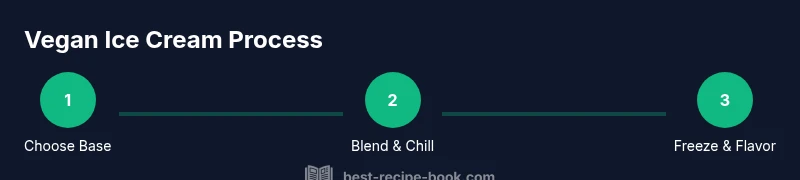
This section provides a practical blueprint you can customize. Remember, the goal is a smooth base, proper chilling, and a controlled freeze to avoid icy cracks. Start by selecting your base, then building flavor and sweetness. If you don’t have an ice cream maker, you can still achieve creaminess with a no-churn approach that relies on agitation during freezing.
Flavor ideas and mix-ins
Classic chocolate or vanilla flavors are endlessly adaptable. Try adding roasted cacao nibs, swirls of peanut butter, or ribbons of caramel. For fruit-forward runs, blend fresh strawberry puree, mango, or blueberry compote into the base. Chopped cookies, toasted nuts, or crushed cookies add texture and contrast. Aim for small, evenly distributed mix-ins to prevent ice crystals from forming around chunks during freezing.
Troubleshooting and storage
If your vegan ice cream is too crumbly, consider increasing fat or adding a touch more stabilizer and allowing longer churning or chilling. An icy texture often means the base was not sufficiently emulsified or did not chill long enough. Store in a freezer-safe container with minimal air exposure, and let it sit at room temperature for a few minutes before scooping. Label flavors and dates to track freshness.
Nutrition, serving tips, and sustainability
Vegan ice cream can be rich in flavor while avoiding dairy fat. Consider portion sizes and nutritional goals when selecting bases and add-ins. For those watching calories, oat and almond bases offer lighter options, while cashew-based recipes deliver creaminess with moderate fat content. Practically, making your own allows you to control sugar and fats, reducing additives found in some store-bought options. Finally, using seasonal fruit and local ingredients supports sustainability and flavor.
Tools & Materials
- High-powered blender (1000-1500W)(For smooth nut-based bases; 1.5 L jar recommended)
- Ice cream maker (optional)(If you have one, churns for creaminess; otherwise use no-churn method)
- Small saucepan(For heating fats and emulsifiers)
- Measuring cups and spoons(Accurate liquid and dry ingredient measures)
- Fine-mesh sieve(To strain blended bases for smooth texture)
- Spatula (silicone)(For scraping and mixing)
- Freezer-safe container with lid(For storage and easy scooping)
- Cashews (1 cup, raw, unsalted)(Common base; adjust by portion)
- Coconut milk or coconut cream (1-2 cups)(Adds richness; adjust to taste)
- Sweeteners (sugar, maple syrup, or dates)(Control sweetness and texture)
- Flavorings (vanilla, cocoa, coffee)(Customize flavors)
Steps
Estimated time: Total time: 4-6 hours
- 1
Choose your base
Decide on a base (cashews, coconut, oats, or blends). If using cashews, plan for a soak to soften and improve blending. Gather other ingredients and equipment so nothing slows you down.
Tip: Soaking cashews 4–6 hours improves texture and reduces blending time. - 2
Blend base to smooth
Drain soaked cashews and blend with a portion of non-dairy milk or water until silky. If gritty, blend a little longer or strain the puree through a sieve for ultra-smoothness.
Tip: Scrape the sides and blend in bursts to avoid overheating the motor. - 3
Sweeten and flavor
Add your chosen sweetener and flavorings (vanilla, cocoa, espresso). Taste and adjust, keeping the base balanced so flavors don’t taste flat after freezing.
Tip: Taste the base before chilling; flavors concentrate when frozen. - 4
Chill the base
Transfer the base to a container and refrigerate 1–2 hours, or longer if time allows. Cold bases emulsify more cleanly and freeze smoother.
Tip: Chilling minimizes ice crystal formation during freezing. - 5
Churn or no-churn method
If using an ice cream maker, churn according to the manufacturer’s instructions until thick and creamy. For no-churn, freeze the base and stir vigorously every 30–45 minutes to break up ice crystals.
Tip: No-churn requires consistent agitation to mimic churned texture. - 6
Add mix-ins
Fold in small, evenly distributed mix-ins (chips, nuts, fruit pieces) after the base has thickened but before final freezing.
Tip: Add mix-ins midway to prevent them from sinking to the bottom. - 7
Freeze and store
Spoon the mixture into a freezer-safe container and freeze until firm. Let stand 5–10 minutes before scooping for easier serving.
Tip: Label flavors and dates; store in airtight containers to maintain texture.
People Also Ask
Can I make vegan ice cream without an ice cream maker?
Yes. A no-churn method uses regular stirring or a powered mixer during freezing to reduce ice crystals and improve texture, though it may not be as creamy as churned batches.
Yes, you can make it without a machine by stirring every 30 minutes during freezing, but the texture won't be as creamy as churned ice cream.
Which base yields the creamiest texture?
Cashews blended with a bit of coconut cream are widely favored for creaminess, but the best choice depends on flavor goals and nut tolerance.
Cashews with a touch of coconut cream give a very creamy texture, though your taste matters most.
How long does vegan ice cream last in the freezer?
Stored in an airtight container, vegan ice cream stays best for several weeks; texture and flavor may degrade over time.
In the freezer, it stays best for several weeks, but flavor and texture can change with time.
Can I use store-bought non-dairy milk as the base?
Yes. Unsweetened non-dairy milks work, but bases built from nuts or oats often taste richer and creamier.
Store-bought non-dairy milks work, but homemade bases from nuts or oats usually taste creamier.
How do I make chocolate vegan ice cream?
Add cocoa powder or melted dark chocolate to the base and adjust sweetness; balance with a touch of salt for depth.
For chocolate, mix in cocoa powder or melted chocolate and tweak sweetness a bit.
Watch Video
Key Takeaways
- Choose a base with adequate fat for creaminess.
- Emulsify and chill for a smooth texture.
- Churn or regularly stir to avoid ice crystals.
- Distribute mix-ins evenly for consistent texture.