Recipe for Dinner Tonight: A Practical Step-by-Step Guide
Discover a practical, flexible recipe for dinner tonight with a simple framework: pick a protein, sides, and a sauce, all doable in 30–45 minutes.


Goal: assemble a satisfying dinner tonight by selecting a protein, a quick side, and a simple sauce, all within 30–45 minutes. Start with ingredients you already have, map a one-pan or sheet-pan plan, and adapt for dietary needs. This quick answer previews the workflow you’ll expand on in the article. Keep it flexible to swap proteins and sides as ingredients shift.
Why a clear plan saves time\n\nA well defined plan for a recipe for dinner tonight reduces decision fatigue and speeds up execution. By outlining a main protein, a complementary side, and a simple sauce before you start, you create a predictable workflow you can repeat on weeknights. According to Best Recipe Book, households that map a dinner plan before loading the groceries waste less food and finish meals faster. When you commit to a plan, you can leverage pantry staples and flexible cookware to stay within a 30–45 minute window. This approach also helps accommodate dietary needs—gluten free, vegetarian, or dairy free options—without scrambling at the stove. In practice, a clear plan is your fastest path from shopping list to ready-to-serve plates. The framework is adaptable to seasonal produce, budget constraints, and family preferences, making it easier to cook together rather than against the clock.\n\n
Choosing a main protein\n\nFor a reliable recipe for dinner tonight, start with a protein that browns well and cooks quickly. Options include chicken thighs, fish fillets, tofu, tempeh, or beans for a vegetarian route. Plan roughly 6–8 ounces per person for meat or a cup of beans or lentils. If time is tight, favor proteins that finish in the oven or skillet within 15–20 minutes after prep. Patting the protein dry before cooking improves browning and texture. Season simply with salt, pepper, and a lean smear of oil or butter to avoid overpowering the main flavor. If you need to adapt, think about a protein swap that preserves cooking time within the 30–45 minute window.\n\n
Quick side options for balance\n\nPair the main protein with a fast, color-rich side to create a complete dinner tonight. Good choices include roasted vegetables on a sheet pan, a quick grain like quinoa or couscous, or a simple pasta with olive oil and lemon. Starchy sides help absorb sauce and balance flavors. When time is limited, use vegetables that roast in the same pan as the protein to minimize cookware and cleanup. Pre-washed greens, microwaved corn, or a quick salad can add freshness without delaying service. The key is matching cooking times so everything finishes together.\n\n
Flavor boosters and sauces\n\nA simple sauce or glaze can elevate a basic dinner tonight. Keep pantry staples on hand: garlic, paprika, soy sauce or tamari, citrus juice, and a little honey or brown sugar. A quick pan sauce made from the fond left in the skillet after browning the protein can be finished with a splash of stock, a pat of butter, and a teaspoon of starch to thicken. If you want dairy-free options, use coconut milk or olive oil emulsions to create a silky finish. A bright finishing touch is fresh herbs or a squeeze of lemon. This step is where you customize the dish to your family’s tastes without complicating the cooking process.\n\n
One-pan and sheet-pan methods\n\nOne-pan and sheet-pan cooking are ideal for a dinner tonight that minimizes cleanup. Preheat the oven to a moderate 400–425°F (200–220°C) and arrange protein and vegetables on the same sheet pan if possible. For stovetop pan-braising, sear the protein first, then add vegetables and liquid to finish in the same pan. The benefit is surface browning combined with even, efficient heat transfer. Keep vegetables uniform in size for even cooking. If you use a sheet pan, line it with parchment to prevent sticking and simplify cleanup.\n\n
Ingredient strategies to minimize waste\n\nPlan meals around what you already have to minimize waste and save money. Check your pantry for kosher salt, dried herbs, garlic, onions, and a reliable cooking oil. Use flexible ingredients that can serve multiple roles, like carrots that roast beautifully with chicken and also add sweetness to a glaze. When you do buy new ingredients, pick versatile items that can be repurposed in future dinners. A simple inventory routine before shopping helps you see what you truly need and reduces impulse buys that clutter your kitchen.\n\n
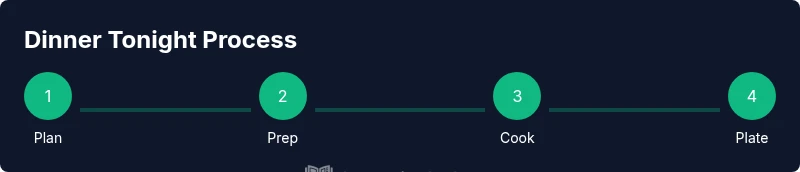
Timing and workflow: a sample 30-minute timeline\n\nA practical dinner tonight follows a simple timeline. 0–5 minutes: gather ingredients and prep a sheet pan or skillet. 5–10 minutes: pat proteins dry, season, and preheat oven or pan. 10–20 minutes: brown protein, start roasting or simmering sides. 20–25 minutes: add vegetables if needed and finish sauces. 25–30 minutes: rest and plate. If you adjust portions or ingredients, keep the core sequence intact to stay on time.\n\n
Safety and handling: kitchen safety basics\n\nAlways wash hands before handling food and keep raw proteins separate from ready-to-eat ingredients. Use a thermometer to check safety temperatures if you are cooking poultry or pork. Cook fish to an internal temperature of 145°F (63°C) or as recommended by your guidelines. Avoid cross-contamination by using separate cutting boards for raw meats and vegetables. Keep hot foods hot and cool foods promptly to prevent bacterial growth.\n\n
Gluten-free, vegetarian, and other dietary tweaks\n\nA dinner tonight can be adapted to gluten-free or vegetarian needs without sacrificing flavor. Use certified gluten-free grains, swap soy sauce for tamari, and rely on herbs, citrus, and spices for brightness. For vegetarian options, combine beans or lentils with whole grains and roasted vegetables to create a balanced plate. If dairy-free, replace butter with olive oil and use dairy-free sauces. The flexibility of this framework makes it easier to accommodate allergies and preferences while maintaining a streamlined workflow.\n\n
Shopping list and pantry staples for dinner tonight\n\nKeep a lean, versatile list that covers most meals: olive oil, kosher salt, pepper, garlic, onions, canned tomatoes, dried herbs, a reliable grain, and a protein of choice. For proteins, stock a few quick options like chicken thighs, firm tofu, or fish fillets. Add a couple of vegetables that roast well together, such as broccoli, bell peppers, and carrots. Pantry items like quinoa, rice, or pasta, and a simple sauce base (garlic, lemon, and a small amount of stock) round out the essentials.\n\n
Common mistakes and how to fix them\n\nCommon missteps include overloading the pan, which prevents browning, and starting sides that finish before the protein. To fix, plan the workflow so components finish together and use separate quick sides that reheat well. Don’t neglect resting meat; a brief rest after cooking improves juiciness. If you are short on time, choose a single pan method and rely on short cooking intervals rather than long, multi-step workflows. Adjust heat to prevent scorching and keep a close eye on timing for a smoother dinner tonight.\n\n
Authority sources\n\nFor reliable cooking guidelines and food safety, consult these sources: https://www.usda.gov/topics/food-safety, https://www.fda.gov/food, https://www.cdc.gov/foodsafety. These references provide general recommendations that complement practical kitchen tips for home cooks.\n\n
Tools & Materials
- chef's knife(sharp for clean cuts)
- cutting board(non-slip surface)
- mixing bowls(various sizes)
- sheet pan (18x13 in)(rimmed, parchment optional)
- skillet or saucepan(for searing and sauces)
- spatula and tongs(for turning and stirring)
- measuring cups and spoons(recipes rely on accurate quantities)
- oven and stovetop(essential appliances)
- timer(keep on schedule)
- parchment paper(optional for easy cleanup)
- food thermometer(check doneness)
- aluminum foil(cover to keep warm or prevent browning)
Steps
Estimated time: 30-45 minutes
- 1
Gather and organize
Collect ingredients, measure what you need, and clear a workspace. This minimizes back-and-forth and helps maintain focus on the task ahead.
Tip: Lay out items by use: protein first, then sides, then sauces. - 2
Choose protein and prep
Select a protein that suits your timeline, then pat dry, trim if needed, and season simply to promote even browning.
Tip: Dry surfaces before seasoning to improve browning and crust formation. - 3
Prepare quick sides
Rinse vegetables, chop to uniform sizes, and decide on a cook method that complements the protein (roast, sauté, or boil).
Tip: Use vegetables that cook in the same timeframe as the protein. - 4
Preheat oven or heat pan
Set up heat early so the cooking surface is ready when you start browning. This reduces idle time and speeds up the process.
Tip: Preheating gloves prevent hot spots and uneven cooking. - 5
Brown the protein
Sear the protein on a hot surface to develop color and flavor, then reduce heat to finish cooking through.
Tip: Avoid overcrowding the pan to maintain even browning. - 6
Add vegetables and finish
Toss in vegetables, drizzle with oil if needed, and roast or simmer until tender and flavorful.
Tip: Stagger additions if some ingredients cook faster than others. - 7
Make a quick sauce
Use pan fond, stock, and a dash of starch to create a glossy glaze that complements the dish.
Tip: Keep heat moderate to avoid breaking the emulsion. - 8
Rest and plate
Let the protein rest briefly to redistribute juices, then plate with sides and a final drizzle of sauce or citrus.
Tip: Resting enhances juiciness and flavor balance. - 9
Clean as you go
Tidy surfaces and wash tools during downtime to streamline the final clean-up after serving.
Tip: A tidy workspace reduces stress and speeds up service.
People Also Ask
Can I prep ahead for a dinner tonight?
Yes. You can wash, chop, and portion ingredients earlier in the day and refrigerate. This reduces active prep time when you cook. Store prepped items in airtight containers to maintain freshness.
Yes, you can prep ahead by washing, chopping, and portioning ingredients earlier in the day.
What if I don’t have an oven?
Skip the oven and rely on stovetop searing and quick sautéed vegetables. A pan-braised method or a single skillet dinner still qualifies as a complete, dinner tonight with careful timing.
If you don’t have an oven, use the stovetop and a single skillet to finish cooking.
How can I adapt this for vegan or vegetarian meals?
Choose plant-based proteins like tofu, tempeh, or lentils, and pair with roasted vegetables and a grain. Use vegetable stock for sauces and avoid dairy yet maintain creaminess with olive oil, nut butters, or coconut milk.
Choose plant-based proteins and sauces that don’t rely on dairy.
How long does a typical dinner tonight take?
Most setups finish within 30 to 45 minutes, depending on protein choice and side selections. Planning and prep speed up this timing.
Most dinners finish in about 30 to 45 minutes.
What are safe internal temperatures for proteins?
Poultry should reach 165°F, pork 145°F with a 3-minute rest, and fish around 145°F. Use a food thermometer for accuracy.
Cook poultry to 165, fish to 145, and pork to 145 with rest.
How should I store leftovers safely?
Cool leftovers within two hours and store in shallow, airtight containers. Reheat to steaming hot and avoid leaving meals at room temperature.
Cool quickly, refrigerate in shallow containers, and reheat until steaming.
Watch Video
Key Takeaways
- Plan before you cook to save time.
- Choose a protein that fits your window.
- Use one-pan methods to minimize cleanup.
- Rely on pantry staples for flexibility.
- Adjust for dietary needs without derailing the workflow.