Recipe for Pink Salt: A Practical Flavor Enhancement Guide
Discover a practical, step-by-step guide to using pink salt in cooking. Learn how to blend, finish, and store Himalayan pink salt for optimal flavor in everyday dishes.


Pink salt adds mineral notes and a delicate blush to dishes. Use it for finishing touches, herbs blends, and simple rubs. See the full guide for the complete step-by-step pink salt recipe.
What pink salt is and why it matters in recipes
Pink salt, often marketed as Himalayan pink salt, is a rock salt with trace minerals that give it a soft pink hue. In the kitchen, it’s valued not just for its color but for the mineral notes that can subtly elevate savoury dishes, roasted vegetables, and finishing plates. Unlike refined table salt, pink salt can have a coarser texture and a slightly different mineral balance, which influences how it dissolves and flavors food. Home cooks use pink salt to add a gentle, mineral-rich finish rather than a harsh saline punch. When you see the pink tint in a shared dish, you’ll often find it’s a result of a pinch of pink salt at the end of cooking, which preserves its delicate flavors.
For best results, start with a high-quality pink salt that’s appropriate for your intended use—fine grain for seasoning at the table and coarse grain for rubs or finishing surfaces. Keep in mind that the salt’s color comes from minerals, not artificial colorants, so the hue can vary slightly between sources. This variability adds a nuanced flavor depth that some cooks prefer for simple weeknight meals and more complex recipes alike.
Why pink salt matters in modern cooking
Pink salt’s mineral profile can complement savory, citrusy, and herb-forward dishes. It’s particularly effective as a finishing salt because the surface crystals dissolve slowly, releasing a gentle mineral brightness rather than a dominating saltiness. Home cooks often use pink salt to enhance roasted vegetables, grilled meats, and airy baked goods where a delicate salt presence is desirable. In recipes that rely on bright acidity or aromatic herbs, pink salt can act as a subtle bridge, tying flavors together without overpowering them. Because the color is appealing, it’s also a nice visual accent on the plate, which adds to the overall dining experience.
When choosing pink salt, you’ll encounter a range of grain sizes and textures. Flake varieties offer a light, crisp crunch on top of a finished dish, while coarse crystals can be rubbed into meat or sprinkled over a surface for a rustic finish. If you’re new to pink salt, start with a fine grind for quick, even seasoning and gradually experiment with coarser textures as you gain confidence.
How to choose pink salt: grades, grind, and flavor
Choosing the right pink salt depends on your cooking style and the recipe you’re following. For finishing dishes, a delicate, fine grind or flaky pink salt provides a gentle, almost melt-on-the-tongue saltiness. For rubs and seasoning blends, a coarser grind can stand up to longer cooking times and high heat. Trace minerals in pink salt vary by source, which means color and mineral balance can differ slightly from brand to brand. Look for salt that is labeled as minimally processed and free of additives. If you plan to infuse pink salt with herbs or citrus, consider a medium grind that balances infusion speed and surface area for aroma.
Different brands may also suggest recommended uses on their packaging, which can guide your purchase for a specific dish or technique. By stocking a few grain sizes, you can tailor salt texture to the moment—fine for a quick finish and coarse for a salt crust or rub. Remember that salt is a seasoning, not a flavor enhancer in isolation; pink salt shines when paired with complementary ingredients such as lemon zest, garlic, rosemary, or smoked paprika.
A simple pink salt recipe idea: herb-infused pink salt
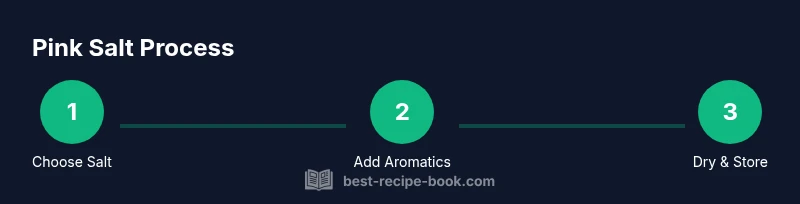
Herb-infused pink salt is a practical, low-effort way to bring new flavors to everyday cooking. To make a basic version, combine pink salt with dried herbs like thyme or rosemary and a touch of citrus zest. A typical starting ratio is 1 cup pink salt to 2-3 tablespoons finely chopped dried herbs and 1 tablespoon zest. Mix gently to preserve herb integrity, then spread the mixture on a parchment-lined tray to dry for several hours or overnight.
After drying, transfer to an airtight container. The result is a fragrant finishing salt that works beautifully on roasted vegetables, grilled chicken, or even baked potatoes. If you’d like a bolder flavor, increase the herb content slightly or add crushed garlic powder for an even more pronounced profile. Always label the blend with the date and ingredients so you can track freshness over time.
Using pink salt: finishing, seasoning blends, and brines
Pink salt shines most when used as a finishing salt, allowing diners to experience a bright mineral note without overwhelming the dish. It also works well in simple seasoning blends for roasted vegetables or meat rubs. For brines or marinades, pink salt can contribute a gentle saline foundation; however, for long cooking times you may prefer regular salt with a similar granularity if precise salt balance matters. A little pink salt at the end of cooking can elevate flavors without masking them, especially when paired with citrus, garlic, or fresh herbs. When testing a new pink salt recipe, start with modest amounts and adjust after tasting to avoid oversalting.
Storage, safety, and handling to keep pink salt pure
Store pink salt in a cool, dry place away from moisture. A tightly sealed container prevents clumping and preserves mineral integrity. Avoid exposing pink salt to humidity or spills on hot surfaces, which can lead to caking or mineral separation. If you infuse pink salt, ensure it dries completely before storage to prevent mold or off-flavors. Label blends with the date and ingredients, and keep different blends in separate containers to avoid cross-flavor contamination. Regularly check containers for moisture and re-dry as needed.
Handling pink salt is straightforward, but always keep salt away from water-prone surfaces and avoid using metal spoons that might react with certain mineral contents. A clean, dry work area helps maintain salt freshness and flavor quality over time.
Pairings and flavor ideas to maximize pink salt
Pink salt pairs beautifully with bright citrus (lemon, lime, or orange zest), fresh herbs (basil, thyme, rosemary), and gentle spice notes (smoked paprika, coriander). It also complements roasted vegetables, seafood, and poultry where a subtle mineral finish is desired. Try finishing a grilled chicken with a light dusting of pink salt and a twist of lemon for a quick, bright enhancement. For vegetarian dishes, pink salt can elevate roasted tomatoes or mushroom sautés when used as a finishing touch rather than a primary seasoning.
Tools & Materials
- Pink salt (fine or coarse grind)(Choose depending on intended use (finishing vs. rub))
- Dried herbs (e.g., thyme, rosemary)(Optional for herb-infused varieties)
- Citrus zest (lemon, orange)(Optional for citrus-infused blends)
- Small mixing bowl(Glass or ceramic preferred)
- Spoon or pestle(For gentle mixing)
- Parchment or silicone sheet(For drying blends)
- Airtight storage jars(Label with date and ingredients)
- Fine-mesh sieve (optional)(For delicate blends to remove clumps)
Steps
Estimated time: 1-2 days (including drying)
- 1
Gather and measure
Collect pink salt and any aromatics you plan to use. Measure the salt and the extras carefully so you can reproduce the result later. This sets the foundation for consistent flavor.
Tip: Use clean, dry measuring tools to avoid clumping. - 2
Moderately crush or break up large crystals
If your pink salt is coarse or flaky, give it a light crush to create a more even texture for blending. Do not powder it completely unless you want a fine salt for table use.
Tip: A light crush improves surface area for aroma release without losing texture. - 3
Incorporate aromatics
Add dried herbs and citrus zest to the salt. Gently mix to distribute the aromatics evenly through the salt. Aromatics should be distributed but not pulverized.
Tip: Avoid adding wet ingredients that can introduce moisture. - 4
Spread and dry the blend
Spread the mixture on parchment and let it air-dry in a cool, dry place. This step prevents moisture from clumping the salt once stored.
Tip: Total drying time can range from several hours to overnight depending on humidity. - 5
Store and label
Transfer the dried salt into airtight jars. Label with date and ingredients so you can track freshness and flavor profile over time.
Tip: Keep away from moisture and strong light to preserve aroma.
People Also Ask
What is pink salt?
Pink salt is a mineral-rich rock salt that gets its color from trace minerals. It is commonly used as a finishing salt to add a subtle mineral note and visual appeal.
Pink salt is a mineral-rich rock salt used mainly as a finishing touch for flavor and color.
Can pink salt replace regular salt in all recipes?
Pink salt can substitute regular salt for finishing and light-seasoning, but it may not behave the same in baking or long simmering recipes due to mineral content and texture differences.
You can use pink salt for finishing or light seasoning, but it isn’t always a direct substitute for baking or long-cook dishes.
Is pink salt healthier than table salt?
Mineral trace amounts are present, but the health impact is minimal. Pink salt should be viewed as a flavor choice, not a health advantage.
Pink salt contains trace minerals, but it isn’t a health supplement and should be used for flavor as a finishing salt.
How should pink salt be stored?
Store pink salt in a cool, dry place in an airtight container to prevent moisture and clumping. Avoid exposure to humidity and sunlight.
Keep pink salt in a sealed, dry container away from heat and light.
Can you cook with pink salt in high-heat dishes?
Yes, but pink salt is best used as a finishing touch. For high-heat cooking, weigh flavor balance and texture to avoid overpowering other ingredients.
You can cook with pink salt, but it’s often better to finish dishes with it so its mineral notes stay bright.
What flavor pairings work well with pink salt?
Citrus zest, fresh herbs, garlic, and light smoked spices pair well with pink salt, enhancing brightness without overwhelming other flavors.
Try lemon zest, rosemary, or garlic with pink salt for a quick flavor boost.
Watch Video
Key Takeaways
- Choose the right grind for your dish.
- Infuse with herbs or citrus for nuance.
- Finish with pink salt to preserve flavor.
- Store in airtight containers away from moisture.