Roast Sweet Potatoes: A Clear Step-by-Step Guide
Learn to roast sweet potatoes with crisp edges and tender centers. This comprehensive guide covers selection, prep, roasting temps, variations, and serving ideas for reliable results every time.


By following this guide, you’ll master a reliable recipe for roast sweet potatoes: crisp edges, tender centers, and versatile flavor. Start with even-cut pieces, toss in a light oil and seasonings, then roast at a hot oven until deeply caramelized. This process yields a delicious side dish or base for bowls and salads.
Why roast sweet potatoes shine
Sweet potatoes are a natural kitchen staple, prized for their natural sweetness, creamy interior, and caramelization when roasted. Roasting concentrates flavor and creates a crisp edge with soft centers. This makes them versatile for dinners, bowls, salads, and even breakfast leftovers. In this guide, we emphasize practical, step-by-step methods suited for home cooks, ensuring you achieve reliable results every time. According to Best Recipe Book, roasting at a moderate-high temperature helps sugars caramelize without drying out the flesh. The key is to start with evenly sized pieces, pat them dry, and avoid overcrowding the pan. Overcrowding traps steam, which softens rather than browns; a single layer yields better color and texture. The recommended approach balances time with heat, allowing the potatoes to roast through while the exterior browns and crisps. With the right technique, roast sweet potatoes can reach a level of savoriness that pairs with herbs, spices, and zingy finishing sauces. This section explains why this technique works and how to adapt it to your pantry.
Choosing the right potatoes and ingredients
The best roast comes from using fresh, uniform pieces. Choose medium-sized sweet potatoes with smooth skin; smaller sweet potatoes can dry faster if not cut evenly. For a crisp finish, cut into uniform cubes or wedges about ¾ to 1 inch in size. If you prefer skin-on texture, leave the skins on for extra fiber and texture, washing thoroughly first. Oils matter: a light coating of neutral oil or olive oil helps browning and prevents sticking. Seasonings should be simple at first: salt to taste, a pinch of pepper, and a hint of garlic powder or smoked paprika for depth. If you want a sweeter profile, a drizzle of maple syrup or honey during the last few minutes can enhance caramelization. Fresh herbs like thyme or rosemary add aroma, while a squeeze of lemon freshens the finish. Collectively, these choices influence browning, moisture retention, and overall flavor, and they are easy to adapt for families or busy weeknights.
Preparing and preheating for perfect roast
Preheating to 425°F (220°C) ensures the surface browns quickly while the interior cooks through. Line a sheet pan with parchment for easy cleanup or use a reusable silicone mat. While the oven heats, wash and cut the potatoes, then pat dry to remove surface moisture that can steam rather than crisp. In a large bowl, toss the potatoes with 1–2 tablespoons oil per pound, plus salt and pepper. If you’re adding garlic, sprinkle it evenly; avoid adding chopped garlic too early, which can burn. Spread the pieces in a single layer with space between them; crowding creates steam, softening edges instead of crisping. For even browning, flip halfway through the roast. If you’re short on time, you can finish on a hot broil for 1–2 minutes, but watch carefully to prevent burning. Finally, test for doneness by piercing a piece with a fork; it should slide through easily, with tender centers and lightly browned edges.
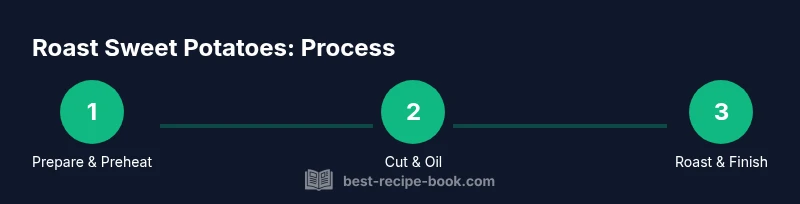
Step-by-step roasting method
Step 1: Preheat and prep
Preheat oven to 425°F (220°C) and prepare a rimmed baking sheet. Wash and cut potatoes into evenly sized pieces. Have oil and seasonings ready so you can work efficiently. Tip: even sizes ensure uniform browning.
Step 2: Oil and season
In a large bowl, toss the potato pieces with 1–2 tablespoons oil per pound, plus salt and pepper and your chosen spices. The oil helps browning and flavor adhesion. Tip: don’t over-oil; a light coat is enough for crisp edges.
Step 3: Arrange in a single layer
Spread the pieces in one layer on the prepared sheet, giving each piece space. Overcrowding traps steam and softens browning. Tip: use two pans if needed to maintain space between pieces.
Step 4: Roast and flip
Roast for 25–35 minutes, then flip or turn the pieces for even browning. Caramelized edges should start forming and interiors should become tender. Tip: rotate the pan halfway for uniform color.
Step 5: Check doneness
Pierce a piece with a fork; it should go in with little resistance and the exterior should be browned and crisp. If not, roast another 5–7 minutes and recheck. Tip: a quick broil for 1–2 minutes adds extra crunch with careful watching.
Step 6: Rest and serve
Remove from oven, let rest 5 minutes to settle juices and intensify flavor. Serve warm, or cool and store for later use. Tip: rest time makes flavors meld and textures firm up slightly.
Variations, serving ideas, and leftovers
Roast sweet potatoes are forgiving and adaptable. For a savory, smoky profile, swap in smoked paprika and a pinch of chili powder; finish with chopped fresh herbs and a squeeze of lime juice. For a sweeter touch, drizzle with maple syrup before roasting or toss with honey-glazed onions. They pair beautifully with yogurt or tahini sauces, greens, quinoa bowls, or roasted meats. Leftovers keep well in an airtight container in the fridge for 3–4 days and can be reheated in a hot oven or skillet for extra crispness. You can also transform them into a quick hash by sautéing with onions, peppers, and eggs for a satisfying breakfast.
Common mistakes and troubleshooting
Common mistakes include overcrowding the pan, which traps moisture and creates soggy edges; under-seasoning, which dulls flavors; and starting at too low a temperature, which delays browning. To troubleshoot, ensure your pan is dry, pieces are uniformly cut, and you’re using enough oil to promote browning without steaming. If edges aren’t crisp after 30 minutes, raise the oven temperature 25 degrees for the last 5–7 minutes or switch to a brief broil. Always confirm doneness with a fork test and adjust seasonings to taste.
Tools & Materials
- Oven(Preheated to 425°F (220°C))
- Rimmed baking sheet(Line with parchment or silicone mat)
- Parchment paper or silicone mat(Prevents sticking and makes cleanup easy)
- Chef's knife(For even, safe cuts)
- Cutting board(Dedicated for vegetables)
- Mixing bowl(Toss potatoes with oil and seasonings)
- Measuring spoons(1–2 tablespoon ranges)
- Spatula or tongs(Flip potatoes halfway)
- Timer(Track roasting time)
- Optional: fresh herbs (thyme/rosemary)(For finishing aroma)
- Optional: maple syrup or honey(For sweeter finish)
Steps
Estimated time: Total: 35-45 minutes
- 1
Preheat and prepare
Preheat oven to 425°F (220°C) and line a baking sheet. Wash and cut potatoes into evenly sized pieces. Have oil and seasonings ready so you can work efficiently.
Tip: Uniform cuts ensure even cooking. - 2
Oil and season
In a large bowl, toss the potato pieces with 1–2 tablespoons oil per pound, plus salt, pepper, and your chosen spices. Coat thoroughly but avoid heavy pooling of oil.
Tip: A light coat is enough for crisp edges. - 3
Arrange in a single layer
Spread the pieces in one layer on the prepared sheet, giving each piece space. Do not crowd the pan to promote browning.
Tip: Use two pans if needed to maintain spacing. - 4
Roast and flip
Roast for 25–35 minutes, then flip to promote even browning on all sides. Expect caramelized edges and tender centers.
Tip: Rotate the pan halfway for uniform color. - 5
Check doneness
Pierce a piece with a fork; it should slide through easily with crisp edges. If needed, roast a few more minutes and recheck.
Tip: A brief, careful broil can add extra crunch. - 6
Rest and serve
Remove from oven and rest 5 minutes to allow flavors to settle. Serve immediately or store for later.
Tip: Resting helps flavors meld and texture set.
People Also Ask
What is the best oven temperature for roasting sweet potatoes?
Roasting at 425°F (220°C) delivers a balance of browning and tenderness. This temperature encourages caramelization without drying the flesh. Start here and adjust slightly for your oven if needed.
Roast at four twenty-five degrees Celsius for best browning and tenderness.
Should I peel the sweet potatoes before roasting?
Peeling is optional. Leaving skins on adds texture and nutrients, while peeling can yield a uniformly smooth surface. Choose based on texture preference and time.
Peel if you want a smoother texture; leave skins on for more texture and nutrients.
How can I tell when the potatoes are done?
They’re done when a fork slides in easily and the edges are lightly browned. The centers should be tender, not hard.
The potatoes are done when they’re tender inside and nicely browned on the edges.
Can I roast sweet potatoes with other vegetables?
Yes. Roast with vegetables that have similar size and moisture, like carrots or Brussels sprouts. Keep a single layer for even browning and adjust timing accordingly.
You can roast them with other veggies; just keep sizes even and watch the timing.
What flavors pair well with roasted sweet potatoes?
Maple or honey for sweetness, smoked paprika for depth, and fresh herbs or lemon juice for brightness. Finish with yogurt or tahini for a creamy contrast.
Try maple with paprika, or finish with herbs and a lemon squeeze.
Watch Video
Key Takeaways
- Roast at 425°F for best browning.
- Cut potatoes evenly for uniform cooking.
- Space pieces to prevent steaming.
- Flip halfway to color all sides.
- Finish with a quick rest before serving.