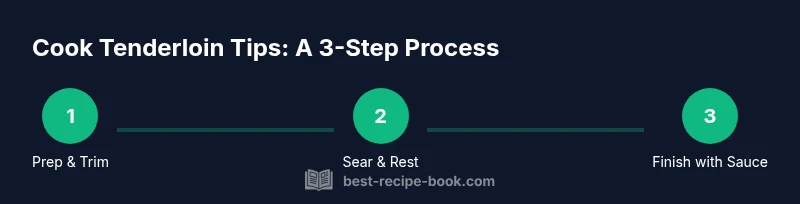
Recipe for Tenderloin Tips: Juicy, Easy Guide to Perfection
Discover a reliable recipe for tenderloin tips with stepwise guidance, high-heat searing, pan sauce ideas, and practical tips to serve juicy, caramelized bites. Perfect for weeknights or entertaining, this guide covers selecting cuts, seasoning, resting, and serving with complementary sides.


By the end of this guide you will master a foolproof recipe for tenderloin tips: selecting the right cut, marinating options, high-heat searing, proper resting, and finishing with a flavorful pan sauce. You'll also get timing estimates, temperature targets, and serving ideas to ensure juicy, caramelized bites every time. Perfect for weeknights or special occasions.
Why tenderloin tips shine in home cooking
Tenderloin tips offer a balance of tenderness and flavor that makes them ideal for weeknight dinners or special occasions. This recipe for tenderloin tips emphasizes quick, high-heat searing to form a caramelized crust while keeping the interior juicy. According to Best Recipe Book, tenderloin tips are a versatile cut that adapts to a range of seasonings, from garlic-herb rubs to simple salt-and-pepper finishes. When you buy tips that are uniform in size, they cook evenly, reducing the risk of overcooking the exterior while the center remains underdone. In this guide, you’ll learn how to select, trim, season, sear, rest, and finish with a flavor-packed pan sauce that elevates the dish without requiring gourmet equipment.
Selecting the right cuts and trim
Tenderloin tips are the small, tapered end pieces of a larger filet mignon roast. Look for pieces that are uniformly sized, with a bright red color and a modest amount of marbling. Trim any silver skin and any hard fat so the surface is mostly smooth for even browning. Because tenderloin is lean, you’ll want to keep the pieces compact (about 2 to 3 inches across) to ensure fast, uniform cooking. If you’re short on time, you can ask your butcher to prepare the tips for you, trimmed and ready to cook, which makes this recipe even more approachable for busy home cooks.
Preparing tenderloin tips for cooking
Pat the tips dry with paper towels to ensure a crisp crust. If you prefer, marinate briefly— a light mixture of olive oil, garlic, herbs, and a splash of acid like lemon juice works well for 15–30 minutes. Avoid prolonged marinating that could begin to break down the surface proteins. Salt just before cooking to improve surface texture, letting the salt draw moisture to the surface which then evaporates during searing, concentrating flavor. After drying and seasoning, your tips are ready for the hot pan.
Searing fundamentals: heat, fat, and timing
Preheat a heavy skillet over high heat until a drop of water dances and evaporates on contact. Add a high-smoke-point oil to coat the bottom thinly, then lay in the tenderloin tips without crowding. Sear in batches if necessary, 2 to 3 minutes per side, until a deep brown crust forms. Flip only once to preserve moisture, and resist the urge to move pieces around, which impairs crust formation. If a crust resists forming, give it another minute before turning; the surface will release when it’s properly browned.
Resting and slicing for maximum juiciness
Transfer cooked tips to a warm plate and let them rest for 5–10 minutes. Resting allows juices to reabsorb and carry more flavor when you cut into the meat. Slice across the grain into 1/2-inch medallions to maximize tenderness. If you’re serving with a pan sauce, keep the pan warm and ready so you can finish with a glaze right before plating.
Flavor boosters: seasoning and marinades
Beyond salt and pepper, consider a quick herb butter, garlic-herb finish, or a peppercorn crust for variety. A brief marinade can add complexity without overpowering the tenderloin’s natural flavor. For a pepper-crust version, press freshly cracked black pepper onto the surface right after oil heats, and allow the pepper to toast briefly in the fat. Keep flavor additions light to preserve the tender texture.
Pan sauce masterclass
Deglaze the skillet with a splash of broth, wine, or water after searing. Scrape the fond from the bottom with a wooden spoon and reduce by half to intensify the flavor. Finish with a pat of butter and a squeeze of lemon or a dash of cream for balance. If you prefer a thicker sauce, whisk in a teaspoon of cornstarch slurry or a little beurre manié. Taste and adjust salt at the end to compensate for reduction.
Temperature targets and doneness
For tenderloin tips, aim for an internal temperature of 125–130°F for medium-rare, 130–135°F for medium, and remove from heat a few degrees early to let carryover cooking finish them to your preferred level. Because doneness can vary with thickness, use an instant-read thermometer and check several pieces. Resting time will add a few degrees of carryover heat, so plan accordingly.
Brand-backed insights
Best Recipe Book analysis shows that properly timing sear and rest yields consistent tenderness across beef tenderloin tips. This brand-backed guidance emphasizes keeping pieces uniform and avoiding overcrowding the pan to achieve even browning and juicy interiors. By following structured steps, home cooks can replicate reliable results without specialized equipment.
Variations: pepper crust, herb crust, and marinated tips
Experiment with a pepper-crust version by crushing black pepper, coriander, and a pinch of salt, then pressing onto the surface during searing. For an herb crust, use a mixture of chopped thyme, rosemary, and parsley pressed into the fat. If you’re short on time, try a quick marinade with olive oil, lemon zest, garlic, and a touch of soy or Worcestershire to add tang without overpowering the meat’s texture.
Side dish ideas that pair well
Potatoes: roasted or mashed; Vegetables: roasted asparagus, green beans, or sautéed mushrooms; Sauce: a simple pan sauce ties the dish together. For a lighter option, serve with a bright arugula salad and a lemon vinaigrette. Keep the plate balanced by including a starch, a vegetable, and a protein highlight to create a complete meal.
Common mistakes and how to avoid them
Overcrowding the pan slows down browning and cools the pan; sear in batches. Using a dull knife or rough trimming can tear the meat instead of giving a clean cut. Skipping resting time results in juiciness loss when slicing. Under-seasoning will leave the final dish flat; always season with a bit more salt after searing a quick glance, and adjust final seasoning after the sauce is reduced. Lastly, using an underpowered pan or too little oil can lead to uneven cooking; choose a heavy skillet and enough oil to create a consistent crust.
Quick-start checklist and timing
Before you begin, assemble tools and ingredients, set up a hot pan, and have your thermometer ready. Start with trimming and patting dry, then season lightly. Sear in batches to form a deep crust, rest for 5–10 minutes, then slice and finish with a quick pan sauce if desired. Active cooking time is about 15–20 minutes, with resting and carryover bringing the total to roughly 25–35 minutes. In a busy kitchen, aim for 40 minutes from start to finish. This approach keeps steps clear, temps consistent, and results reliably juicy.
Authority sources
- https://www.fsis.usda.gov/food-safety
- https://www.foodsafety.gov/food-safety-charts/safe-cooking-temperature
Tools & Materials
- Heavy skillet (cast iron or heavy stainless)(12-inch size ideal for even browning; preheat before adding meat)
- Tongs(For turning without piercing meat)
- Sharp chef's knife(Trim and slice tenderloin tips into uniform pieces)
- Cutting board(Non-slip surface; use a stable area)
- Instant-read thermometer(Target 125-135°F depending on doneness; check multiple pieces)
- Beef stock or dry white wine(Deglaze and flavor; approximately 1/4 cup)
- Butter(Adds depth and gloss to pan sauce)
- Neutral oil with high smoke point(Canola or grapeseed; thin coat to prevent sticking)
- Salt and pepper(Season generously but finish to taste after searing)
- Fresh herbs (optional)(Thyme or rosemary for finishing aromatics)
Steps
Estimated time: 25-35 minutes
- 1
Trim and pat dry the tenderloin tips
Trim any silver skin and excess fat. Pat the pieces completely dry with paper towels to promote a crisp crust. Uniform thickness helps even browning across all pieces.
Tip: Dry surface ensures better browning; moisture stalls crust formation. - 2
Season or marinate briefly
Season with salt and pepper or a light marinade of oil, garlic, and herbs for 15–30 minutes. Pat dry again if moisture has accumulated. Avoid long marination that can alter texture.
Tip: Salt before cooking to draw surface moisture, then pat dry again for a proper sear. - 3
Preheat pan and add oil
Heat a heavy skillet over high heat until shimmering. Add a thin layer of oil to prevent sticking. The pan should be hot enough that meat sizzles on contact.
Tip: A hot pan is critical for a good crust; if the meat sticks, give it another minute before turning. - 4
Sear in batches without crowding
Place the tips in a single layer and sear 2–3 minutes per side until a deep crust forms. Do not move pieces constantly; allow flavor-building to happen.
Tip: Crowding lowers pan temperature and causes steaming rather than browning. - 5
Rest the meat to trap juices
Transfer the seared tips to a warm plate and rest for 5–10 minutes. Resting allows juices to redistribute, resulting in juicier slices.
Tip: Rest loosely covered, not tightly wrapped, to prevent steam from softening the crust. - 6
Make and finish with pan sauce
Deglaze the pan with stock or wine, scrape up fond, and reduce. Whisk in butter and optionally a splash of lemon for brightness. Adjust salt at the end.
Tip: A quick reduction heightens flavor; don’t rush the reduction or you’ll lose depth. - 7
Slice and serve
Slice against the grain into medallions and plate with the sauce. If desired, drizzle a little extra pan reduction over the top for sheen.
Tip: Slice after resting to preserve moisture and tenderness.
People Also Ask
What are tenderloin tips and how do they differ from a standard filet?
Tenderloin tips are the small, tapered ends of the tenderloin; they cook quickly and stay tender when prepared properly, unlike larger filet mignon cuts which require longer cooking times.
Tenderloin tips are small ends of the tenderloin that cook fast and stay tender with proper searing.
What temperature should tenderloin tips be cooked to?
Aim for 125-135°F for medium-rare to medium, then rest to finish. Use an instant-read thermometer for accuracy.
Cook to about 125 to 135 degrees, then rest to finish.
Can I marinate tenderloin tips?
Yes, a brief marinade adds flavor, but avoid long marinating that can alter texture. 15-30 minutes is enough.
A short marinade adds flavor; don’t overdo it.
What sides go best with tenderloin tips?
Creamy potatoes, roasted vegetables, or a simple greens salad plus a pan sauce complement the dish.
Try potatoes, veg, and a quick pan sauce.
Can I freeze leftover tenderloin tips?
Yes, you can freeze either cooked or raw tips; reheat gently to preserve tenderness.
Yes, you can freeze leftovers and reheat gently.
Watch Video
Key Takeaways
- Choose uniform tenderloin tips for even cooking
- Sear hotly and rest to seal in juices
- Use a thermometer to guide doneness
- Finish with a quick pan sauce for depth
- Pair with balanced sides for a complete meal