Beef Tips Recipe: A Step-by-Step Guide to Tender Beef Tips in Rich Gravy
Learn a reliable recipe for beef tips with step-by-step guidance on searing, braising, and a rich gravy, plus slow cooker and pressure cooker variations for tender results.


Beef tips can become a comforting, restaurant-worthy dish with a reliable, step-by-step method. This guide teaches browning, braising, and finishing in a glossy gravy, with options for stove-top, slow cooker, or pressure cooker. Follow the core technique for consistently tender, flavorful beef tips.
Why a reliable beef tips recipe matters
Beef tips are a versatile, comforting protein that shines in a simple weeknight dinner or a leisurely weekend meal. A reliable recipe for beef tips focuses on three pillars: choosing the right cut, developing flavor through browning, and finishing with a tender, glossy gravy. According to Best Recipe Book, a well-tested method helps home cooks achieve tender beef tips every time. This guide for a recipe for beef tips is designed for home cooks who want practical, step-by-step instruction and predictable results. You’ll learn to balance texture, moisture, and savor in a way that works whether you’re cooking for a busy family or entertaining guests. Start with the goal: bite-sized pieces that are browned on the exterior, tender within, and enveloped in a rich, cohesive sauce. While the approach can vary, the core technique remains consistent: dry the meat, brown it thoroughly in a hot pan, and then braise gently with aromatics and liquid until the beef reaches fork-tender state. The result pairs beautifully with mashed potatoes, noodles, or crusty bread, and invites variations while preserving the base method.
Choosing the right cut and pantry basics
The foundation of great beef tips is choosing the right cut and stocking a few reliable pantry staples. Most cooks prefer beef chuck or blade from the shoulder for its balance of flavor and connective tissue, which breaks down pleasantly with slow cooking. Trim visible fat to avoid greasy edges, but leave a little marbling for moisture. For a flexible approach, you can substitute bottom round if tender cuts are scarce. Pantry basics include onions, garlic, beef broth, a splash of wine (optional), tomato paste for depth, and a small amount of flour or cornstarch to help the sauce cling to the meat. Fresh herbs like thyme or bay leaves add aroma, while a pinch of paprika or pepper gives gentle warmth. If you’re short on time, you can marinate briefly, but a quick dry rub plus proper searing will deliver superior flavor.
Browning for depth: sear and develop flavor
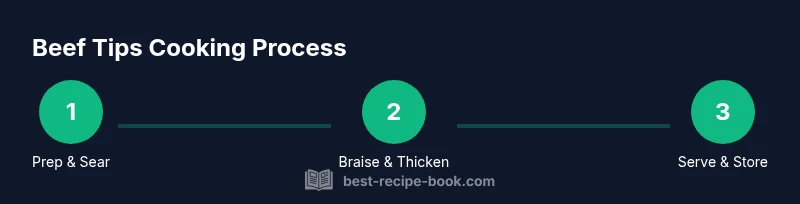
The browning step is where flavor begins to build. Ensure your pan is very hot before adding the beef tips, and avoid crowding the pan—work in batches if needed. Pat the meat dry to promote a good crust, then sear until deeply golden on all sides. The goal isn’t to cook the meat through at this stage but to develop a robust fond (the caramelized bits stuck to the pan) that will dissolve into the sauce. After browning, transfer the meat to a plate and let the pan rest briefly if needed; overworking the pan can cool it, reducing the sear quality. Using a touch of oil with a small amount of butter can help crisp edges and deepen the color. A well-seared surface creates the foundation for a rich gravy and a satisfying texture.
Building a rich gravy and tenderizing
With the beef browned, you’ll build the sauce and begin tenderizing. Sauté onions, garlic, and optional mushrooms in the same pan to pick up the fond. Sprinkle in flour to create a light roux, then gradually whisk in beef broth and a splash of wine if using. Scrape the bottom of the pan to lift all browned bits; these contribute concentrated flavor. Return the beef tips to the pan and add herbs. Bring to a gentle simmer, then cover and braise until the meat is fork-tender. The sauce should thicken as it reduces, coating the beef with a glossy finish. If the mixture seems too thick, loosen with a bit more broth; if too thin, simmer uncovered a few minutes longer.
One-pot methods: stove-top, slow cooker, pressure cooker
Beef tips adapt to multiple cooking methods. On the stove-top, simmer gently in a heavy pot, checking texture after about 45 minutes to an hour. For the slow cooker, sear the beef first, then transfer to the cooker with aromatics and broth; cook on low until tender, usually several hours. In a pressure cooker, brown in the pot, deglaze, then lock the lid and cook under pressure for a shorter, controlled time before finishing with a quick release. Each method yields tender beef tips; the key is controlling moisture and heat so the meat can break down without drying out. Adjust liquids as needed and taste for seasoning with salt, pepper, and a bright finish if desired.
Troubleshooting texture and moisture
If the beef tips come out chewy, they likely didn’t braise long enough or were cut too large. Ensure pieces are uniform in size for even cooking. If the sauce is thin, simmer longer or whisk in a little cornstarch slurry to finish. For overly thick sauce, loosen with more broth or water. If the dish seems flat, a splash of acid (a touch of lemon juice or a teaspoon of vinegar) can brighten the gravy. Always taste and adjust salt at the end, since reductions can intensify flavors. Remember that resting the dish for a few minutes after cooking helps the juices redistribute, improving tenderness.
Serving ideas and meal planning
Beef tips in gravy pair beautifully with mashed potatoes, buttered noodles, creamy polenta, or rustic bread for soaking up sauce. A side of roasted vegetables, such as carrots and green beans, adds color and balance. For meal planning, consider making a larger batch and freezing the leftovers in individual portions. The flavors often deepen after a night in the fridge, making a next-day lunch even more appealing. If you’d like a lighter variation, reduce the amount of oil and opt for a more broth-forward sauce while keeping the same browning technique.
Common mistakes and how to fix them
Common pitfalls include overcrowding the pan, which prevents proper browning; under-seasoning; and skipping the deglazing step, which leaves behind a flat-tasting sauce. To avoid these, ensure the pan is hot enough before adding meat, season generously, and deglaze thoroughly to lift those flavorful browned bits. If the sauce breaks (fat separates from liquid), whisk vigorously while adding a touch more broth to bring it back together. Always use a consistent knife size for even cooking, and give the beef adequate time to become tender before assessing texture.
Tools & Materials
- Beef tips (1.5–2 lb)(Cut into 1–1.5 inch pieces)
- Salt and black pepper(Season generously before searing)
- Olive oil or neutral oil(High smoke point for searing)
- Butter(Optional, for flavor in the pan)
- Yellow onion(Chopped)
- Garlic cloves(Minced)
- Mushrooms (optional)(Sliced)
- Tomato paste(1 tablespoon for depth)
- Flour (all-purpose)(2 tablespoons for roux)
- Beef broth or stock(About 2 cups, plus extra to adjust sauce)
- Dry white wine or red wine (optional)(1/4–1/2 cup for deglazing)
- Fresh thyme or bay leaves(Herb aromatics)
- Knife(Chef’s knife for prep)
- Cutting board(Stable surface)
- Heavy-bottom pan or Dutch oven(For browning and braising)
- Whisk(To combine roux and liquids)
- Measuring cups/spoons(Accurate ingredients)
Steps
Estimated time: Total time: 2 hours
- 1
Gather and prep ingredients
Measure all ingredients, pat beef dry, and chop onions and garlic. Having everything prepped speeds up the process and improves browning. This is the foundation for a smooth, successful cook.
Tip: Dry surface helps achieve a good sear; moisture prevents crust formation. - 2
Season and pat dry beef tips
Generously season the beef on all sides with salt and pepper. Pat dry again if surfaces are wet to maximize browning when introduced to a hot pan.
Tip: High heat plus dry surface yields a deep crust and better flavor grip. - 3
Brown beef tips in batches
Sear the beef in batches to avoid crowding the pan. Turn pieces until all sides are deeply browned; remove to a plate and reserve.
Tip: Avoid moving meat too soon; resist the urge to flip constantly for better crust. - 4
Sauté aromatics
In the same pan, add onions and garlic; sauté until translucent and fragrant. If using mushrooms, add them now and cook until browned.
Tip: Use the fond left from beef as a flavor booster. - 5
Deglaze and form the base
Pour wine (if using) or a small amount of broth to deglaze, scraping up browned bits. Sprinkle in flour and cook briefly to form a light roux.
Tip: Deglazing is where much of the flavor concentrates. - 6
Add liquids and return beef
Stir in the remaining broth, tomato paste, and herbs. Return beef tips to the pan, bringing the mixture to a gentle simmer.
Tip: Keep the heat moderate to prevent toughening of the meat. - 7
Braise until tender
Cover and simmer until the beef is fork-tender, about 45–60 minutes on the stove, or until your slow cooker/pressure cooker indicates tenderness.
Tip: Check occasionally and adjust liquid if needed to maintain sauce. - 8
Finish and serve
If the sauce is too thin, simmer uncovered a few minutes or whisk in a small slurry of flour. Taste and adjust salt; serve hot with your choice of sides.
Tip: Rest briefly after cooking to help juices redistribute for juicier beef.
People Also Ask
What cut of beef is best for beef tips?
Beef chuck or blade is preferred for its connective tissue that breaks down during braising, yielding tender tips with rich flavor. Other cuts can work, but may be less forgiving if not cooked slowly. Always trim excess fat for a cleaner final dish.
Beef chuck or blade is best for tenderness. Trim fat and braise slowly for best results.
Can I make beef tips in a slow cooker?
Yes. Sear the beef first to develop flavor, then transfer to the slow cooker with aromatics and broth. Cook on low until the meat is tender, usually several hours. Thicken the sauce at the end if desired.
Sear first, then braise in a slow cooker until tender. Finish with a thicker sauce.
What should I serve with beef tips?
Mashed potatoes, buttered noodles, polenta, or crusty bread are classic pairings. Add roasted vegetables for color and balance. Leftovers store well in the fridge for quick meals later in the week.
Pair with potatoes, noodles, or polenta and a veggie side.
How do I avoid tough beef tips?
Cut pieces uniform in size and give them enough time to braise. Maintain gentle heat and keep moisture in the pot. Avoid boiling vigorously, which can toughen meat.
Keep it on gentle heat and give it time to braise for tenderness.
Can I freeze beef tips after cooking?
Yes. Cool completely, portion, and freeze in airtight containers. Reheat gently on the stove or in a microwave with extra broth to restore moisture.
Freeze in portions and reheat slowly with a splash of broth.
What if my sauce breaks or separates?
Whisk vigorously while adding a bit more broth to bring back emulsification. A small amount of cornstarch slurry can also help tighten the texture.
Whisk in more broth or use a tiny cornstarch slurry to fix the sauce.
Watch Video
Key Takeaways
- Choose the right cut for tenderness (beef chuck is ideal).
- Brown the meat thoroughly to build depth of flavor.
- Braise in a flavorful liquid with aromatics for a glossy gravy.
- Adjust thickness and seasoning at the end for perfect balance.
- Experiment with stove-top, slow cooker, or pressure cooker to fit your schedule.