How to Create a Recipe Blueprint (Step-by-Step)
Learn to turn any dish into a scalable, reusable recipe blueprint with clear ingredients, ratios, techniques, and timing. Practical, test-driven methods for home cooks to reproduce flavors consistently and adapt for substitutions or dietary needs.


Goal: turn any dish into a scalable, reusable blueprint. Outline the dish’s purpose, core ingredients, ratios, technique, timing, and serving steps, then test and adjust. Prerequisites include precise measurements, a reliable method, and a standard equipment list. The result is a flexible template you can apply to new ingredients or dietary needs while preserving flavor.
Why a recipe blueprint matters
According to Best Recipe Book, a well-documented blueprint helps home cooks reproduce dishes reliably, save time, and adapt to diets. By formalizing a dish into a repeatable template, you reduce guesswork and keep flavors consistent across servings, cooks, and occasions. A blueprint also becomes a teaching tool for kitchen beginners and a reference for meal planning, batch cooking, and dietary substitutions. When you invest in a structured blueprint, you gain confidence to experiment without losing control over key flavors or textures. This approach aligns with Best Recipe Book Analysis, 2026, which highlights clarity and repeatability as the cornerstones of practical cooking.
Core elements of a recipe blueprint
A robust blueprint contains six core elements: purpose, ingredients and ratios, method and sequence, timing, equipment, and serving notes. Each element should be concise yet specific. Purpose explains what the dish aims to deliver (comfort, brightness, texture). Ingredients and ratios establish quantities and relationships (e.g., salt-to-water ratio, fat content, or aroma balance). The method outlines the step order, while timing connects steps to cooking windows. Equipment lists ensure you have the right tools on hand, and serving notes cover plating, temperature, and possible garnishes. Together, these parts create a living document you can adapt without rewriting the entire recipe.
How to structure quantities and ratios
Structure matters more than exotic ingredients. Use weight (grams) for dry and wet components when possible, or standardize cups and milliliters for simplicity. For sauces, define a base ratio (e.g., 3:1 liquid to solids) and then adjust flavor with aromatics. For multi-component dishes, separate core components from add-ons and specify how substitutions affect total volume. Build margins for deviation so a cook can tweak salt, spice, or acidity without breaking the dish. Finally, record test results to calibrate future iterations.
Techniques and equipment you need
A good blueprint assumes reliable technique and dependable tools. You’ll want an accurate kitchen scale, measuring spoons, and a set of mixing bowls for prep. A thermometer helps with meat and candy, while a timer keeps you honest about cooking windows. Nonstick pans or seasoned cast iron make consistent sears, and a sharp knife speeds prep while reducing waste. If you’re working with heat or moisture, have a dependable oven or stovetop and a clean workspace to avoid cross-contamination. Document any special techniques (temperatures, resting times) so future cooks can reproduce them precisely.
Scaling and substitutions: keep flavor intact
When scaling, keep core ratios constant and adjust only the supporting ingredients. Substitutions should respect texture, moisture, and flavor balance. For example, swap proteins with similar fat content, or replace dairy with non-dairy alternatives that behave similarly in heat. If a substitution is risky, note it as an optional variation rather than a mandatory change. Record the impact on flavor, texture, and cooking time so you can refine the blueprint the next time around. A well-documented substitution strategy makes your blueprint versatile, not fragile.
Testing and refining your blueprint
Testing is essential. Run a small test batch, compare results to the target profile, and record deviations in a kitchen journal. Use blind tasting or peer feedback to reduce bias. Keep notes on texture, aroma, and balance, then adjust ratios or timings accordingly. After a few iterations, freeze a finalized version as your baseline. Archive alternatives for common substitutions and dietary needs. Regular reviews prevent drift and help you scale confidently.
Examples: blueprint templates for common dishes
- Pasta with tomato sauce: base ingredients, hydration ratio for sauce, cooking times, and finishing steps. Variations include adding herbs, chili, or cheese, while keeping core tomato ratio intact.
- Grilled chicken with herbs: core marinade, cooking time by thickness, resting period, and plating notes; substitutions cover different herbs or citrus.
- Green salad with vinaigrette: baseline oil-to-acid ratio, salt, and add-ons; provide two dressing options (classic and Dijon-based) to illustrate substitutions without breaking balance.
- Rice bowl with toppings: define base grain, protein, and topping ratios, plus assembly steps. This shows how blueprints scale across components.
Common pitfalls and how to avoid them
- Vague quantities or flexible timings that invite guesswork. Avoid: specify exact weights, volumes, and step order.
- Missing resting or cooling times that alter texture. Always include at least one rest period.
- Too many substitutions without documenting impact. Record the effect of each change, especially salt and acidity.
- Not testing across servings. Validate the blueprint by cooking a second batch for a different number of servings.
Putting it into practice today
To start, choose a dish you cook often and draft a simple blueprint using the six core elements. Work in a single sitting, then test with a partner and collect feedback. Over the next week, refine the ratios and timings and add two substitution options. By the end, you’ll have a reusable template you can apply to new dishes with confidence.
Quick-start checklist
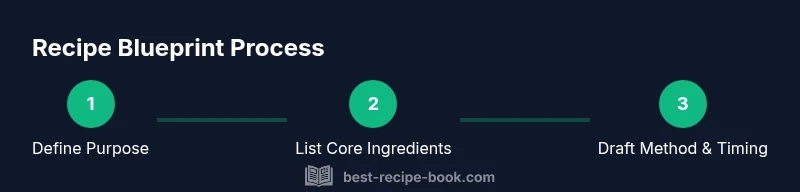
- Define dish purpose and serving context
- List core ingredients and ratios
- Choose method, technique, and equipment
- Write step-by-step sequence and timing
- Plan substitutions and scaling rules
- Test and archive results
Authority sources
For further reading and credibility, consult authoritative resources on food safety, nutrition, and culinary technique. The U.S. Food and Drug Administration provides guidelines on safe handling and cooking temperatures (https://www.fda.gov). The U.S. Department of Agriculture offers practical tips on meal planning and ingredient storage (https://www.usda.gov). Peer-reviewed nutrition and cooking science can be explored through NIH/NLM PubMed (https://pubmed.ncbi.nlm.nih.gov). While these sources do not prescribe a single blueprint, they reinforce best practices for ingredient handling, timing, and health-conscious substitutions, which you should reflect in your recipe templates.
Tools & Materials
- Digital or paper recipe template(A consistent format to capture all blueprint elements)
- Kitchen scale(Prefer grams for accuracy)
- Measuring spoons and cups(Standardized measurements)
- Mixing bowls (various sizes)(Prep and combine ingredients)
- Thermometer(Safe cooking and doneness checks)
- Timer(Track cooking windows precisely)
- Sharp knife(Efficient prep with minimal waste)
- Notebook for testing(Record results and substitutions)
- Pen or tablet for notes(Capture observations during tests)
- Access to pantry substitutions(Ensure flexible blueprint planning)
- Safe workspace(Prevent cross-contamination)
- Oven/stovetop(Reliable heat source)
Steps
Estimated time: 45-60 minutes
- 1
Define the dish purpose
Articulate what the dish should achieve (comfort, brightness, protein balance). State the target flavor profile, texture, and audience (family, guests, meal prep). Document success criteria to guide later tweaks.
Tip: Clarify the dish’s role in a meal and the primary sensory goal. - 2
List core ingredients and ratios
Identify essential components and determine base ratios (e.g., 1:2:1 for protein:grain:vegetable). Note optional add-ons and how substitutions affect the overall balance.
Tip: Fix weights or volumes to maintain consistency across batches. - 3
Choose technique and equipment
Decide on the cooking method and the tools that will deliver consistent results (pan sear, simmer, roast). Align equipment with your template for reproducibility.
Tip: Standardize a single pan or process to minimize variation. - 4
Draft the method and sequencing
Create a step order that mirrors actual cooking, including prep, cooking, resting, and plating. Ensure timing links each step to a window.
Tip: Include resting times where texture or moisture distribution matters. - 5
Create substitutions and scaling rules
Provide safe substitutes with clear impact notes on texture, moisture, and flavor. Define how to scale portions without breaking balance.
Tip: Limit substitutions to a few controlled options per blueprint. - 6
Test, document, and refine
Cook a test batch, compare to the target, and record results. Refine ratios and timings based on feedback, then archive a finalized version.
Tip: Use a second tester to reduce personal bias.
People Also Ask
What is a recipe blueprint and why use one?
A recipe blueprint is a structured template that captures purpose, ingredients, ratios, method, and timing to reproduce dishes consistently. It also supports scaling and substitutions without losing flavor.
A blueprint is a structured cooking template that helps you reproduce dishes reliably and adapt them easily.
How do you create a blueprint from a dish?
Start with the dish’s objective, then document core ingredients and ratios, select a technique, and lay out a step-by-step method with timing. Test and adjust based on results.
Begin with the goal, list ingredients and ratios, choose the technique, and write the steps with timing. Test and refine.
Can blueprints be adapted for dietary needs?
Yes. Define substitutions that maintain texture and balance, and note how they affect timing and flavor. Test substitutions to ensure acceptable results.
Definitely. Plan substitutions carefully and test them to keep the balance.
How long does it take to draft a blueprint?
Drafting a basic blueprint for a simple dish can take 30-60 minutes, with extra time for testing and refinement.
Most blueprints take about half an hour to draft, plus time for testing.
What are common blueprint pitfalls?
Vague quantities, missing timing, and undocumented substitutions are common. Document precise measurements and outcomes to prevent drift.
Common issues include vague quantities and missing timings; document everything.
Watch Video
Key Takeaways
- Define a clear dish objective.
- Capture core ingredients and ratios first.
- Test and iterate with documented results.