How to Make a Delicious Recipe with Egg Noodles
Learn a flexible, step-by-step recipe with egg noodles for weeknight dinners. Explore prep, noodles, sauces, variations, safety tips, and meal-prep ideas in an educational how-to.


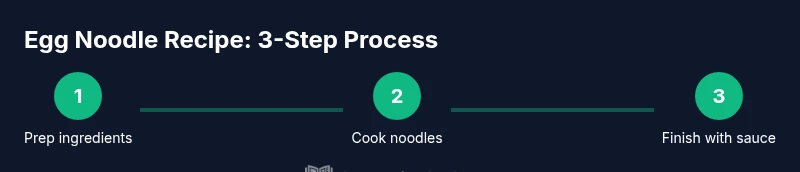
In this guide you will learn to craft a complete recipe with egg noodles, from selecting ingredients to cooking the noodles and finishing with a flavorful sauce. You’ll keep the dish simple and flexible with add-ins for meat, vegetables, and sauces. This step-by-step approach saves time and yields a satisfying, weeknight-friendly meal.
Why egg noodles make a versatile base
Egg noodles are a reliable canvas for a wide range of flavors because their mild, slightly chewy texture holds sauces well and doesn't overpower other ingredients. In a typical recipe with egg noodles, you can layer proteins from shrimp to chicken or rely on robust vegetables like mushrooms and bell peppers. The flexibility makes it ideal for weeknight dinners and meal-prep ideas. According to Best Recipe Book, egg noodles are a forgiving base that soak up sauces, fats, and aromatics without losing their texture. When you choose this noodle shape, you’re choosing speed and simplicity as major benefits. The term 'egg noodles' covers a broad family of pasta-like strands that range from narrow ribbons to fat, rounded shapes. For a complete meal, pair egg noodles with a protein and a colorful assortment of vegetables, then finish with a balanced sauce that emphasizes acidity, salt, and a touch of sweetness to brighten the dish.
Choosing the right egg noodles and pantry basics
There are several formats of egg noodles: fresh, dried, and pre-cooked. Fresh noodles cook quickly and have a delicate bite, while dried egg noodles offer sturdier structure for stir-fries or hearty sauces. For a recipe with egg noodles, drying time on the package is your best guide; begin checking a minute or two before the minimum time. Always cook in a generously salted pot of water; this mirrors the salinity of the sauce and helps the noodles taste balanced. In addition to noodles, assemble pantry staples: a protein (chicken, shrimp, tofu), aromatics (garlic, onion, ginger), a vegetable mix (carrots, broccoli, snap peas), and a simple sauce base (soy, crushed tomatoes, cream). Tools like a large pot, a skillet, a colander, and a sharp knife will speed up the process. The Best Recipe Book team recommends keeping a few go-to sauces on hand so you can switch flavors without changing the core technique.
Tools and equipment you’ll want on hand
Having the right tools makes the difference between a smooth, confident cook and a rushed scramble. A large pot for boiling noodles, a sturdy skillet or wok for searing and saucing, and a colander for draining are essential. You’ll also appreciate a sharp chef’s knife, a sturdy cutting board, measuring spoons and cups, a pair of tongs or a spatula for turning noodles without breaking them, and a couple of mixing bowls for whisking sauces or marinating proteins. A timer helps you coordinate the boiling and the pan-searing so nothing overcooks. If you routinely cook with egg noodles, consider a second pan for keeping cooked noodles warm while you finish sauce components. When you set up your workspace, you’ll reduce chaos and improve turn-around time. This is the part of the process where organization saves minutes and reduces stress.
Step-by-step method: classic egg noodle skillet
This method emphasizes a balanced technique rather than a single recipe. Start by cooking the noodles until al dente, then drain and lightly coat with a teaspoon of oil to prevent sticking. While the pasta cooks, season and sear your chosen protein until browned; set aside. In the same pan, toss minced garlic, shallots, and ginger until fragrant, then add vegetables and cook until crisp-tender. Return the protein to the pan, add the cooked noodles, and splash in a quick sauce—soy-ginger, butter-garlic, or tomato-basil all work well. Use reserved starchy pasta water to adjust consistency and help emulsify the sauce. Taste and adjust salt and acidity with a splash of vinegar or lemon juice if needed. Finish with fresh herbs or a squeeze of citrus for brightness. The aim is a cohesive dish where the noodles carry the sauce evenly without being mushy.
Sauce ideas that pair with egg noodles
A good sauce is the anchor for an egg noodle dish. For a quick weeknight option, try a soy-ginger glaze with sesame oil, scallions, and vegetables. A creamy pepper-mushroom sauce uses a touch of cream or milk and a pinch of white pepper for warmth. If you prefer a lighter choice, a simple garlic butter sauce with lemon zest offers indulgence without heaviness. Tomato-based sauces with oregano, garlic, and olive oil give a satisfying Italian-inspired version. Each sauce can be customized by adding protein (chicken, shrimp, pork) or vegetables that match your texture goals. If you want more depth, finish sauces with a splash of chicken stock or mushroom broth and a knob of butter to create a glossy finish. Remember, the noodle texture should stay distinct, not soggy, while the sauce clings to every strand.
Recipe variations: protein-forward options
Here we present two or three variations: Chicken and broccoli with garlic butter sauce; Shrimp and lemon caper with parsley; Tofu and mixed vegetables with teriyaki glaze. Each variation uses the same base technique but swaps the protein and vegetables to create different flavor profiles. For example, chicken breast should be patted dry, seasoned, and seared until golden before tossing with the noodles. Shrimp cooks quickly—drop it in near the end so it stays tender. Tofu should be well-pressed and seared for texture, then added back with crunchy vegetables. These variations demonstrate how flexible the core method is, making it easy to adapt to ingredients on hand.
Common mistakes and how to fix them
Common mistakes include overcooking the noodles, under-seasoning the water, overcrowding the pan, and adding sauce too early when the noodles are wet. To fix, salt water generously, cook noodles to al dente, and use high heat to brown proteins for flavor. If sauces break or separate, splash in a little pasta water gradually while whisking to restore emulsification. Always pat proteins dry before searing to maximize browning and avoid steam-frying. Finally, taste early and adjust seasoning at the end rather than at the start to keep flavors balanced.
Nutrition and portioning for a balanced plate
Egg noodles provide quick-energy carbohydrates that pair well with vegetables and proteins. A balanced plate should include a protein source, a generous serving of vegetables, and a portion of noodles that supports your activity level. If you’re watching sodium, choose low-sodium sauces and rinse sauces in moderation, because ready-made sauces can contribute more salt than you expect. Adding greens, mushrooms, or cruciferous vegetables boosts fiber and micronutrients while keeping calories in check. Remember that sauces should enhance noodles, not drown them, so use flavor boosters like garlic, lemon, and fresh herbs for brightness.
Batch cooking and meal prep tips
To make weeknight dinners easier, batch cook a larger quantity of noodles and a versatile sauce base. Store the cooked noodles separately from the sauce to prevent sogginess. For variety, prepare a couple of quick protein options (sautéed chicken, shrimp, or tofu) and a couple of veggie medleys that rehearse well with hot noodles. When reheating, toss with a little extra sauce or a splash of stock to revive texture. This approach keeps your meals cohesive, reduces waste, and ensures you have a ready-to-heat option on busy days.
Authority sources and safety tips
For food safety and nutrition guidelines related to noodle dishes, consult reputable sources such as the FDA and NIH. Always practice basic kitchen hygiene: wash hands, sanitize surfaces, and avoid cross-contamination when handling raw proteins. Storing leftovers promptly in airtight containers and reheating to a safe temperature minimizes the risk of foodborne illness. For more detailed cooking times and safety recommendations, check official resources like FDA.gov and NIH.gov.
Dietary adaptations: gluten-free and dairy-free options
Egg noodles are traditionally made with wheat flour and eggs, so gluten-free versions can be made with rice or corn-based noodles. When substituting, adjust cook times as different noodles release starch differently. If dairy is limited, use olive oil or a dairy-free butter substitute to create a rich finish. You can also rely on miso soy or vegetable-based sauces to add depth without dairy.
Quick-reference recipe: garlic butter egg noodles with mushrooms
Ingredients: 8 oz egg noodles, 2 cups sliced mushrooms, 2 garlic cloves, 2 tbsp butter, salt, pepper, and a squeeze of lemon. Steps: boil noodles until al dente, sauté mushrooms with garlic in butter until browned, toss in noodles, season, and finish with lemon juice and parsley. This compact version is ideal for testing flavor balance before scaling up.
Tools & Materials
- large pot for boiling noodles(At least 4 quarts; salted water)
- skillet or wok(Heavy-bottom preferred for even searing)
- colander(For draining noodles)
- sharp knife(For precise chopping)
- cutting board(Stable surface)
- measuring cups/spoons(For sauces and seasonings)
- tongs or spatula(To turn noodles without breaking)
- mixing bowls(For marinating or mixing sauces)
- timer(Coordinate steps and avoid overcooking)
Steps
Estimated time: 25-40 minutes
- 1
Boil noodles to al dente
Bring a large pot of salted water to a rolling boil. Add egg noodles and cook until just tender. Drain and lightly coat with a teaspoon of oil to prevent sticking.
Tip: Salt water properly; it flavors the noodles and reduces the need for salt in the sauce. - 2
Prepare proteins and aromatics
Pat proteins dry, season with salt and pepper, and slice vegetables evenly for quick, uniform cooking. Mince garlic and ginger to maximize aroma when sautéed.
Tip: Dry surfaces help proteins brown rather than steam. - 3
Sear the protein
Cook the protein in hot oil until browned on all sides. Remove from the pan and set aside to rest, keeping juices inside.
Tip: Let meat rest briefly to retain moisture. - 4
Sauté aromatics and vegetables
In the same pan, cook garlic, shallots, and ginger until fragrant. Add vegetables and cook until crisp-tender.
Tip: High heat helps vegetables stay vibrant and crisp. - 5
Combine with noodles and sauce
Return the protein to the pan, add noodles, and pour in your chosen sauce. Toss to coat evenly, using a little pasta water to emulsify if needed.
Tip: Reserve a small amount of pasta water to adjust sauce consistency. - 6
Finish and adjust seasoning
Taste and adjust salt, acidity, and sweetness. Finish with fresh herbs or citrus for brightness.
Tip: Taste as you go; sauces often need a final balancing touch. - 7
Plate and serve
Portion evenly and garnish. Serve immediately for best texture and aroma.
Tip: Serve hot to enjoy the noodles' bite. - 8
Try a quick variation
Swap ingredients to explore flavors (e.g., swap chicken for shrimp, or use a different vegetable mix).
Tip: Keep the technique consistent so you can change ingredients freely.
People Also Ask
Can I use fresh egg noodles instead of dried?
Yes, you can, but adjust cooking time since fresh noodles cook faster. Watch closely to avoid mushiness.
Yes—fresh noodles cook quickly; keep an eye on them to avoid mushiness.
How long should I boil egg noodles?
Dry egg noodles typically take longer than fresh ones; follow package directions and start tasting a minute before the minimum time.
Follow the package directions and taste for al dente a minute before the time ends.
Can I make this dish vegetarian or vegan?
Absolutely. Use tofu, tempeh, or extra vegetables with a plant-based sauce base to keep it hearty.
Sure—use tofu or veggies with a plant-based sauce and you’re set.
Are egg noodles gluten-free?
Most traditional egg noodles contain wheat. Look for gluten-free noodle options like rice or corn varieties if needed.
Most egg noodles have gluten; choose gluten-free noodles if required.
What are good sauce options for egg noodles?
Soy-ginger, butter-garlic, creamy mushroom, and tomato-basil sauces all work well; choose based on your protein and vegetables.
Try a soy-ginger sauce or a butter-garlic sauce for quick flavor.
Watch Video
Key Takeaways
- Cook noodles to al dente for best texture
- Brown proteins and aromatics for flavor depth
- Use reserved pasta water to emulsify sauces
- Adapt with pantry ingredients for variety