Roasted Pork Loin Recipe: Juicy, Evenly Cooked Every Time
Master a juicy, evenly cooked roasted pork loin with a simple herb rub, precise temperatures, and a clean resting step. This step-by-step guide from Best Recipe Book covers trimming, seasoning, roasting, and serving for a reliable centerpiece.


This guide shows you how to roast a pork loin to juicy, evenly cooked perfection with a simple herb rub and precise temps. You'll need a pork loin roast, kosher salt, pepper, olive oil, and a reliable oven thermometer. The steps cover seasoning, searing (optional), roasting, and resting for best texture.
Why roasted pork loin deserves a place in your weeknight repertoire
According to Best Recipe Book, a well-roasted pork loin can be a reliable centerpiece that feels impressive without requiring advanced technique. The cut is lean enough to pair with bright, zesty sides and rich sauces, yet forgiving enough for home cooks who want predictable results. A properly roasted loin delivers a succulent center with a crisp, golden crust. Best Recipe Book analysis also emphasizes the value of a simple, well-balanced rub and a patient roasting routine over flashy, time-consuming methods. When you focus on core steps—seasoning, temperature control, and proper resting—the pork loin shines with minimal effort. For families and entertaining, it’s a flexible option that adapts to a variety of herb profiles, citrus notes, and glaze ideas, all while keeping portions controllable and easy to slice.
Choosing the right pork loin and trimming for roast
A typical pork loin for roasting is boneless or center-cut, though bone-in loin can yield extra flavor from the bone. For beginners, boneless center-cut loin is easiest to portion and roast evenly. Look for a piece with even thickness and a thin fat cap—enough to flavor the meat, but not so thick that it dominates the finish. If your loin has a thick fat cap, trim a portion so there’s a thin, even layer across the top. Color should be pale pink with some marbling rather than dark or gray. When shopping, consider a roast around 2–4 pounds for a standard family meal, allowing for generous slices and leftovers. Trimming and drying the surface helps the rub adhere and promotes a better crust.
Flavor bases: rubs, marinades, and injections
Rubs are the simplest way to build flavor without adding moisture loss. A classic herb rub combines kosher salt, black pepper, garlic powder, and dried thyme or rosemary to create a fragrant crust. For a brighter note, add orange or lemon zest to the rub and finish with a light drizzle of olive oil. If you want a touch of sweetness, a light honey or maple glaze can be brushed on during the last 10–15 minutes of roasting. For larger loins, you can marinate for 1–4 hours, but avoid long marinades that overpower the meat’s natural flavor. If you hydrolyze moisture with injections, keep it lightweight and compatible with the rub.
Searing vs roasting: does it matter?
Searing before roasting is optional but beneficial for color and texture. A quick 2–3 minute per side sear in a hot skillet creates a flavorful crust that translates to the oven. If you skip searing, you’ll still achieve a good crust by roasting at a high initial temperature or finishing under the broiler for a minute or two. The core principle is to maintain even heat and avoid overloading the pan, which can cause crowding and uneven browning. Whichever approach you choose, ensure the roast rests before carving to reabsorb juices.
Temperature, timing, and rest
For food-safety and best texture, roast until the internal temperature reaches about 145°F (63°C) and then rest for at least 10 minutes. The resting period allows the juices to redistribute, producing a moister slice. Use an instant-read thermometer inserted into the center of the meat, away from bone if you’re using bone-in. Target a gentle, steady roast rather than a rapid boil of heat; a moderate oven (around 325–375°F / 165–190°C) encourages even cooking. If your oven runs hot or cold, adjust time and temperature accordingly and let the meat rise to room temperature for even cooking.
Step-by-step overview to roast pork loin perfectly
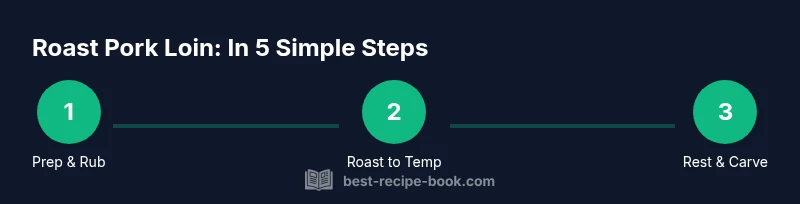
Roasting a pork loin can be broken into a few key phases: trim and pat dry, apply rub, optional sear, roast to target temp, rest, and carve. The rub provides the flavor foundation; searing is optional for crust; roasting finishes the cook; and resting guarantees juiciness. A probe thermometer is your best friend here, letting you stop the roast at the moment of perfect doneness. If you’re serving guests, plan for a short buffer time to account for oven variability and resting.
Troubleshooting common issues
If your pork loin ends up dry, check whether it was cooked past 155°F (68°C) and/or rested too briefly. Another common culprit is over-reducing the pan juices during roasting, which can tighten the meat. Under-seasoning is another frequent issue; ensure the rub is applied evenly and you’re not relying on surface salt alone. If your crust isn’t browning, check oven temperature with a thermometer and consider starting with a brief high-heat blast (about 425°F / 220°C) before dialing down for the rest of the roast.
Serving ideas and side dishes
Pork loin pairs well with both bright and earthy sides. Try apple cider-glazed carrots, roasted Brussels sprouts, or a simple herb-parsley potato side. For a lighter finish, a citrusy green bean almond salad works beautifully against the rich pork. A spoonful of grainy mustard or a light pan sauce made from the roasting juices adds depth without overpowering the meat’s flavor.
Make-ahead and leftovers
Leftover pork loin keeps well in the fridge for 3–4 days when properly wrapped. Slice the roast and store in an airtight container with its juices or a light gravy. Reheat gently in the oven or on the stove with a splash of broth to retain moisture. Leftovers are excellent in sandwiches, wraps, or chopped into a quick pasta with olive oil, garlic, and chili flakes.
Tools & Materials
- Oven-safe roasting pan with rack(Allows air to circulate for an even crust.)
- Instant-read thermometer(Monitor internal temperature without opening the oven.)
- Medium mixing bowl(For mixing rubs and marinade.)
- Sharp chef’s knife(Trim fat and slice for serving.)
- Cutting board(Stabilize meat while trimming and carving.)
- Aluminum foil(Tent the meat during resting if needed.)
- Kitchen twine(Optional, for tying if you’ve got a larger roast.)
- Paper towels(Pat meat dry before applying rub.)
- Basting brush(Use for glazing during the last 10–15 minutes.)
Steps
Estimated time: Total time: 1h15m - 1h45m
- 1
Trim and pat dry the pork loin
Remove any excess surface fat to promote even browning. Pat the meat dry with paper towels to help the rub adhere and the crust form. Let the meat come to room temperature for 15–20 minutes before rubbing.
Tip: Dry surface equals better crust; don’t skip patting dry. - 2
Mix rub and apply evenly
Combine salt, pepper, garlic powder, and dried herbs. Rub the mixture all over the pork, including the sides, ensuring an even coating. If you’re using citrus, press zest into the surface for brightness.
Tip: Even coating ensures consistent flavor from edge to center. - 3
Optional sear for crust
Heat a heavy skillet with a little oil until shimmering. Sear the roast on all sides for 2–3 minutes per side to form a flavorful crust. Transfer to the roasting pan with the rack promptly.
Tip: Searing is optional but yields a richer crust. - 4
Roast to target temperature
Place the pan in a preheated oven. Roast at 325–375°F (165–190°C) until the thermometer reads 145°F (63°C) in the center. This will take roughly 25–30 minutes per pound, depending on your oven.
Tip: Use a probe thermometer and check the center for doneness. - 5
Rest the meat before carving
Tent loosely with foil and rest 10–15 minutes. Resting allows juices to re-distribute, ensuring moist slices. Do not skip this step, or you’ll lose moisture to the carving surface.
Tip: Resting is critical for juiciness; plan a small buffer time. - 6
Carve and serve
Slice the loin against the grain into 1/2-inch to 3/4-inch thick slices. Arrange on a platter and drizzle any pan juices over the slices for added moisture and flavor.
Tip: Carve after resting to retain maximum tenderness.
People Also Ask
What is the best internal temperature for roasted pork loin?
Roast to an internal temperature of about 145°F (63°C) and rest for 10 minutes. This balance yields a pink, juicy center while remaining safe. Always verify with a thermometer for accuracy.
Aim for 145 degrees Fahrenheit and rest for ten minutes to keep the pork juicy.
Is searing before roasting necessary?
Searing is optional but helps develop a flavorful crust. If you skip it, you can still achieve good browning by roasting at a higher initial temperature for a short period and finishing at a moderate heat.
Searing adds crust flavor, but it isn’t required if you prefer a simpler method.
Can I roast a frozen pork loin?
Roasting from frozen is not recommended because it leads to uneven doneness. Thaw the loin fully in the refrigerator before roasting for best results and safety.
It’s best to thaw the pork before roasting for even cooking.
How long should I rest the pork loin?
Rest the roast for 10–15 minutes after removing it from the oven. Resting helps the juices redistribute, leading to juicier slices.
Rest for about 10 to 15 minutes for juicy slices.
What sides pair well with roasted pork loin?
Bright vegetables, such as roasted carrots or green beans, and starches like potatoes or polenta, complement pork well. A tangy apple or cranberry relish also pairs nicely.
Pair with bright veggies and a starchy side for balance.
Can I brine the pork loin before roasting?
Brining is optional and can add moisture, especially to lean loins. If you brine, keep it short (2–4 hours) and rinse well before applying rub.
Brining is optional; if you do it, keep it short and rinse before rub.
Watch Video
Key Takeaways
- Use a simple rub for reliable flavor.
- Monitor internal temp with a probe thermometer.
- Rest the roast to maximize juiciness.
- Slice against the grain for tender portions.