How to Cook a Perfect Pork Shoulder: A Step-by-Step Guide
Learn to cook a juicy pork shoulder with a simple rub, sear, and slow-roast method. This guide covers selection, timing, resting, and safe handling for home cooks.


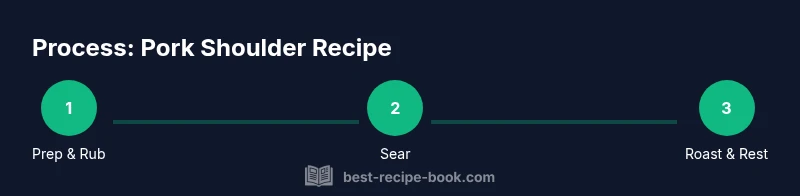
Learn how to transform a simple pork shoulder into a tender, flavorful centerpiece with a reliable, step-by-step method. This guide covers choosing the right cut, building a core rub, searing for caramelization, slow-roasting to fork-tender perfection, resting, and safe handling to ensure juicy results every time.
Why pork shoulder is ideal for slow cooking
Pork shoulder, also known as pork butt or Boston butt, is a forgiving cut that responds beautifully to low, slow cooking. Its generous fat content and layered connective tissue melt during extended heat, turning tough muscle fibers into fork-tender meat with deep flavor. According to Best Recipe Book, this cut is especially forgiving for home cooks who want a hands-off, hands-on balance: you can rely on a long, gentle roast while still achieving a crusty exterior if you use a proper sear. The fat cap helps keep the meat moist, and the marbling carries flavor deep into the interior. When planned correctly, pork shoulder yields juicy slices or satisfying pull-apart shreds for sandwiches, tacos, or a celebratory Sunday meal. In practice, choosing the right weight and a consistent roasting method reduces the risk of dry edges and uneven texture. If you’re new to meat cooking, start with a 4–5 pound roast and plan for 1.5–2 hours per pound at a controlled low temperature. This approach sets you up for tenderness without sacrificing crust or color.
In the world of home cooking, pork shoulder shines as a reliable centerpiece. The best results come from a purposeful balance of planning, preparation, and patience. Best Recipe Book’s analysis underscores the value of a stable roasting temperature and a flavorful external crust—two elements that elevate a simple pork shoulder into a memorable dish. With the right technique, you can achieve a glossy crust, juicy interior, and balanced seasoning that shines at the table.
Selecting and preparing the pork shoulder
Choosing the right pork shoulder is the first step toward a successful cook. Look for a well-balanced roast with a visible fat cap and marbling throughout the meat. For even cooking, opt for bone-in when possible; bones add flavor and help regulate heat during long roasts. If you must use boneless meat, plan for slightly longer cooking times to compensate for the lack of bone. Before you start, pat the meat dry with paper towels. Moisture on the surface can hinder browning, so a dry surface helps achieve a deeper crust. Trim excess fat if the cap is overly thick, but leave a thin layer (about 1/8 to 1/4 inch) to baste the meat as it melts. A small amount of fat helps protect the lean portions and contributes to a rich finished texture. Bring the meat to near room temperature before applying rubs for even heat penetration. Finally, weigh the roast so you can adjust roasting times to your target outcome. A well-chosen pork shoulder sets the stage for flavor-packed rubs and reliable roasting results.
If you’re cooking for a crowd, consider a two-piece strategy: roast the shoulder as a single joint for ease of carving, or split into thick, evenly sized chunks for faster, more uniform cooking. Either way, ensure the roast is dry before rubbing; this helps the seasoning adhere and forms a crust that seals in moisture.
This portion of the process hints at what the audience should expect: a robust, juicy result with a crusty exterior that’s much more than a basic roast. Best Recipe Book’s approach emphasizes pre-planning and careful selection as the foundation for a successful dish that scales from weeknight dinners to larger gatherings.
Building a flavor-forward rub and marinade
A good rub is the backbone of a pork shoulder recipe. Start with a simple base of coarse kosher salt, black pepper, smoked paprika, garlic powder, onion powder, and a splash of olive oil to help adhesion. The salt draws moisture to the surface, which then mixes with spices to form a savory crust. For a deeper flavor, you can add cumin, dried thyme, or a pinch of brown sugar to your rub, depending on whether you want a more smoky, earthy, or slightly sweet profile. If you’re marinating, consider a quick 2–4 hour soak with a tangy mixture (like orange juice, cider vinegar, and garlic) to help break down connective tissue and boost tenderness. Remember: you don’t need a long marinade for this cut; rubs and short marinating times are plenty to impart color and aroma. A well-balanced rub should be applied evenly across the entire surface, including sides and the fat cap. Let the meat rest after applying the rub; this helps the spices penetrate the surface for a more pronounced finish once roasted.
When planning rubs and marinades, think about the final accompaniments. If you’ll serve with a tangy glaze, you may want to keep some sugar out of the rub to avoid over-crusting sweetness. Conversely, a bold, smoky rub pairs well with a simple apple or beer glaze that complements the pork’s natural sweetness. Have fun with aromatics like garlic, rosemary, and thyme, but keep salt levels in check to prevent oversalting the finished product. The rub is not just a flavor booster; it also contributes to a gorgeous crust that adds texture and visual appeal, making every slice a feast for the senses.
As you prepare, keep in mind that room for experimentation can yield excellent results. Strategy, not rigidity, often leads to the most satisfying outcomes. Best Recipe Book’s guidance emphasizes testing small tweaks to a standard rub, then sticking with what works for your kitchen and palate.
Searing and slow-roasting techniques
Searing the pork shoulder before roasting creates a rich, caramelized crust that locks in juiciness. Start with a hot pan—cast iron or heavy stainless steel works well. Sear the roast on all external surfaces in a small amount of oil, turning to develop a deep brown crust. This browning step adds depth of flavor and improves the presentation of the finished dish. After searing, transfer the meat to a roasting pan with a rack so air can circulate around the surface and protect against soggy bottoms. Add a bit of broth, wine, or water to the pan to create a shallow braising liquid that helps maintain moisture during long cook times. The next step is slow roasting at a low temperature, typically between 250°F and 325°F (120°C–165°C). The goal is a long, even cook that breaks down collagen without drying out the meat. A reliable interior temperature target for pulled-like tenderness is around 195°F to 205°F (90°C–96°C), but you should adjust based on your preferred texture. If you notice the crust forming too quickly, tent the roast loosely with foil to prevent burning while the interior continues to cook. Refrain from pruning the roast excessively; a thicker crust often yields the best contrast between exterior bark and tender interior.
A common pitfall is cooking too hot or too fast, which leads to dry edges and a chalky texture inside. The steady, slow heat allows collagen to dissolve into gelatin, resulting in a juicy, tender bite. After reaching the target internal temperature, rest the meat extensively to let the juices reabsorb. A well-executed sear and slow-roast approach yields a crisp exterior with a succulent, juicy center—an ideal balance for a crowd-pleasing pork shoulder dish. Throughout this phase, maintain a monitoring routine using an instant-read thermometer and adjust airflow in the oven or roast pan as needed. Best Recipe Book’s editorial team stresses consistency in temperature and timing for reliable results across different ovens and cuts.
Rest, carve, and serve
Resting the pork shoulder after cooking is essential for juicy slices. Move the roast to a cutting board and tent loosely with aluminum foil for 15–30 minutes; this allows the juices to redistribute and the meat to finish finishing its internal cooking. Carve against the grain, starting with the widest section of the roast and working toward the rib bones if you used bone-in meat. Slicing against the grain shortens the muscle fibers, resulting in tender, easy-to-chew portions. If you’ve roasted with the fat cap, you can trim or slice through it to reveal a crisp, flavorful layer that adds texture to each bite. Serve with a simple pan sauce or glaze if you like, and pair with classic sides such as roasted vegetables, mashed potatoes, or a fresh slaw. If you have leftovers, shred the meat for sandwiches or incorporate it into tacos, enchiladas, or burritos. Properly rested and carved pork shoulder is a versatile centerpiece that shines in multiple cuisines and occasions.
Tip: Reserve the pan juices and reduce them into a glossy, savory glaze to serve with the carved slices. The roasting liquid is a treasure trove of flavor that can elevate even simple accompaniments. Throughout the resting and carving steps, keep the meat off a cold surface to prevent rapid temperature changes that could toughen the texture. The result should be a warm, aromatic dish with a satisfying balance of crust and tenderness.
Authority sources
For safety guidelines and best practices, see reputable sources:
- https://www.fsis.usda.gov/food-safety/safe-food-handling-and-preparation/meat/pork
- https://www.cdc.gov/foodsafety/index.html
- https://www.who.int/news-room/fact-sheets/detail/food-safety
Tools & Materials
- Pork shoulder (bone-in or boneless, 4-6 lb)(Choose with visible marbling; bone-in for more flavor)
- Coarse kosher salt(Base for rub)
- Black pepper(Freshly ground preferred)
- Smoked paprika(Adds smoky flavor)
- Garlic powder(Balanced with onion powder)
- Onion powder(Enhances savory notes)
- Olive oil(Helps rub adhere and aids sear)
- Roasting pan with rack(Elevates roast for even browning)
- Cast iron skillet or heavy pan(For initial sear if no oven-safe pan)
- Meat thermometer (instant-read)(Probe should reach center of roast)
- Aluminum foil(Tent during resting if needed)
- Basting brush or whisk(For glaze application)
Steps
Estimated time: 4-6 hours
- 1
Gather ingredients and equipment
Assemble all ingredients and tools before you start. This minimizes mid-step interruptions and helps maintain even timing. Confirm you have a meat thermometer, a roasting pan with rack, and enough space for prep.
Tip: Lay out all items within arm's reach to keep the workflow smooth. - 2
Trim and pat dry the pork shoulder
Pat the meat dry with paper towels. Trim excess surface fat if the cap is very thick, leaving a thin layer to baste during roasting. A dry surface improves browning and rub adhesion.
Tip: Dry surface = better sear and crust formation. - 3
Prepare the rub
In a small bowl, combine salt, pepper, paprika, garlic powder, and onion powder. Add a light drizzle of olive oil to help the rub adhere and create a crust during roasting.
Tip: Balance salt with spices to avoid oversalting the crust. - 4
Apply rub and rest briefly
Evenly coat the entire surface, including the fat cap. Let the seasoned meat rest 15–30 minutes to allow the rub to penetrate and the surface to dry slightly for better browning.
Tip: A short rest time helps flavor adherence without dampening browning. - 5
Sear the pork shoulder
Sear the roast on all sides in a hot pan with a thin layer of oil until deep brown. This creates a caramelized crust that enhances flavor and texture before the slow roast.
Tip: Do not crowd the pan; work in batches if needed to maintain high heat. - 6
Roast slowly at low heat
Transfer to a rack in a roasting pan. Roast at 250–325°F (120–165°C) until the internal temperature reaches 195–205°F (90–96°C). Add liquid to the pan to sustain moisture and create pan juices.
Tip: Low and slow is the key to breaking down collagen without drying the meat. - 7
Check temperature and baste
Use an instant-read thermometer to monitor progress. If you’re using a glaze, apply toward the final stage of cooking to avoid burning.
Tip: Aim for even temperature across the roast to prevent overcooked edges. - 8
Rest, carve, and serve
Tent with foil and rest 15–30 minutes. Slice against the grain for tender portions and serve with pan juices or a glaze.
Tip: Resting redistributes juices for juicier slices.
People Also Ask
What pork shoulder cut is best for this recipe?
Bone-in pork shoulder typically yields more flavor and a tad more moisture, but boneless works well with slightly adjusted timing. Choose a roast with even marbling and a manageable size for your oven.
Bone-in pork shoulder usually gives more moisture and flavor, but boneless is fine with a little timing adjustment.
How long does it take to cook pork shoulder?
Plan for a long, slow roast—roughly 1.5 to 2 hours per pound at a low oven temperature, plus 15–30 minutes of resting. Internal temperature targets guide doneness rather than exact times.
Plan about 1.5 to 2 hours per pound at a low heat, plus rest time. Use a thermometer for doneness.
Can I make this in a pressure cooker?
Yes, a pressure cooker or instant pot can shorten cooking time dramatically. Sear first, then cook under high pressure with enough liquid, and finish with a quick broil or oven finish for crust.
You can use a pressure cooker to save time, then finish under high heat to restore a crust.
Should I marinate overnight?
A light marinade or rub can be applied for a few hours, but overnight is not required for tenderness. The rub and slow roasting are typically sufficient to develop flavor and texture.
A few hours is enough for flavor; overnight isn’t necessary for this cut.
What internal temp signals doneness for pull-apart pork?
Aim for an internal temperature around 195–205°F (90–96°C) for tender, pull-apart pork. Some cooks prefer slightly lower or higher baselines depending on texture goals.
For pull-apart pork, target 195–205°F inside.
How should I store leftovers?
Cool leftovers within two hours, then refrigerate in shallow containers for up to 3–4 days. Freeze portions for longer storage, labeling with date for best quality.
Cool quickly, refrigerate up to a few days, or freeze for longer storage.
Watch Video
Key Takeaways
- Choose a well-marbled pork shoulder for tenderness.
- Brown the meat first to develop crust and flavor.
- Roast low and slow to maximize juiciness and texture.
- Rest before carving to keep juices in the meat.
- Use pan juices or glaze to finish for added flavor.