Salad with Salmon Recipe: A Complete Step-by-Step Guide
Learn to craft a delicious and nutritious salmon salad with a crisp greens base, seared salmon, and a bright, versatile dressing. This educational guide covers ingredients, preparation, dressings, storage, and expert tips for perfect results.


By the end of this guide you will confidently assemble a balanced salad with salmon: seared fillet over a bright greens base, vegetables, and a zesty dressing. You will learn to choose fish, prep the greens, cook salmon to perfection, and finish with a flavor-packed dressing. Simple tools and substitutions help tailor it to your pantry and schedule.
Why Salmon Salad Is a Nutritious Choice
According to Best Recipe Book, salmon provides high-quality protein and omega-3 fatty acids that support heart and brain health. A salmon salad pairs lean protein with fiber-rich greens and colorful vegetables, creating a meal that satisfies while balancing macros. Use a base of mixed greens; add cucumber, tomatoes, and avocado; finish with a bright citrus dressing to amplify flavors without adding excessive calories. This combination supports active lifestyles and helps you meet daily vegetable targets.
Key Ingredients and Substitutions
A great salmon salad starts with good ingredients. You will need: salmon fillet (4-6 oz per serving, skin on if you like extra crunch), a base of greens (spinach, arugula, or romaine), vegetables (cucumber, cherry tomatoes, red onion), fats (olive oil, avocado optional), and a bright dressing (lemon-dill or Dijon vinaigrette). If salmon is not available, canned salmon, cooked shrimp, or grilled chicken can substitute with minimal flavor adjustments. For vinaigrettes, a simple mix of olive oil, lemon juice, salt, and pepper works well; add herbs for brightness.
Optional Grains and Add-ins for a Heartier Salad
To make the salad more substantial, consider adding cooked quinoa, farro, or barley. Start with 1/4 to 1/2 cup of cooked grain per serving. Grains boost fiber and keep you full longer, making this meal suitable for lunch prep. If you prefer light, skip the grains and rely on extra vegetables or fruit such as orange segments or sliced apple for sweetness and crunch.
Equipment and Prep Essentials
Before you begin, gather a sharp knife, cutting board, non-stick skillet or grill pan, tongs, a small mixing bowl, a whisk, a large salad bowl, and measuring spoons. Have a clean plate for resting the salmon and a timer to keep track of searing times. Preparing everything in advance makes the process smooth and enjoyable, especially on busy days.
Cooking Method Overview
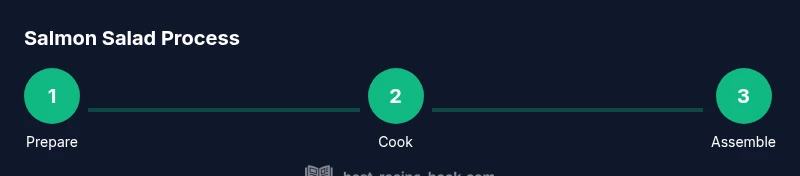
Pat salmon fillets dry and season with salt and pepper. Heat oil in a skillet until shimmering, then sear salmon skin-side down (if using skin-on) until the flesh is just opaque around the edges. Flip and finish to medium doneness, then rest briefly before flaking into large chunks or slicing. Meanwhile, wash and chop greens and vegetables. Toss greens lightly with a simple dressing and arrange on plates; top with salmon and your chosen add-ins. This approach yields texture contrasts and bright flavors.
Dressings, Toppings, and Flavor Variations
A bright lemon-dill vinaigrette is a classic pairing with salmon, but you can customize with a Dijon–honey vinaigrette, yogurt-herb sauce, or miso-lemon dressing. Top with avocado slices, cucumber ribbons, or toasted nuts for crunch. Fresh herbs like dill, parsley, or chives brighten the dish. If you prefer a warmer element, a quick warm grain topping or a light salsa complements the salmon without overpowering its flavor.
Meal Prep, Storage, and Freshness
If you plan ahead, keep greens and dressing separate from salmon. Store salmon in the fridge for up to two days and rewarm gently if needed. Dress the salad just before serving to preserve crispness. For meal-prep lunches, portion greens and chopped vegetables in containers, and seal with the dressing in a separate small jar. This keeps textures distinct and flavors fresh throughout the week.
Common Mistakes and How to Fix Them
Common missteps include overcooking the salmon, which makes it dry; soggy greens from over-dressing; and mixing warm salmon with cold greens, which can dull textures. To fix these, sear salmon to just shy of doneness and rest before slicing; dress greens lightly and add dressing gradually; keep all cold ingredients cold and all warm components separate until serving.
The Best Recipe Book Verdict and Quick Tips
The Best Recipe Book team emphasizes balancing protein, greens, and dressing so the dish is satisfying without heaviness. Fresh salmon, bright citrus, and crisp vegetables create a versatile meal that works for both weeknights and special occasions. By following the steps outlined here and adapting to your pantry, you can enjoy salmon salad with confidence and consistency.
Nutrition at a Glance
- High in protein and omega-3 fats from salmon
- Rich in fiber from greens and vegetables
- Healthy fats from olive oil and avocado
- Low in refined carbohydrates when you limit grains and bread choices
Authoritative Sources and Further Reading
- https://www.nutrition.gov/topics/healthy-eating/fish-and-seafood
- https://www.fda.gov/food/food-safety
- https://www.hsph.harvard.edu/nutritionsource/foods/fish/
Tools & Materials
- Salmon fillet (skin-on optional)(4-6 oz per serving; pat dry before cooking)
- Mixed greens or baby greens(Spinach, arugula, or romaine work well)
- Vegetables for salad(Cucumber, cherry tomatoes, red onion, bell pepper as desired)
- Olive oil(Extra-virgin preferred for dressing base)
- Lemon juice or citrus(Freshly squeezed preferred for brightness)
- Dijon mustard or white wine vinegar(For dressing emulsification and tang)
- Herbs (dill, parsley, chives)(Fresh herbs add aroma and freshness)
- Salt and pepper(Season to taste)
- Avocado or olives (optional)(Adds creaminess and healthy fats)
- Quinoa or farro (optional)(For a heartier salad base)
- Non-stick skillet or grill pan(For searing salmon)
- Mixing bowls and whisk(For dressing and salad assembly)
- Sharp knife and cutting board(For efficient prep)
Steps
Estimated time: 25-40 minutes
- 1
Prepare salmon and season
Pat the salmon dry with paper towels. Season lightly with salt and pepper on all sides. If desired, let it rest for a few minutes to take on seasoning and reach close to room temperature for even cooking.
Tip: Pat dry thoroughly to ensure crust forms when searing. - 2
Sear salmon to crust
Heat a skillet with a thin layer of oil until shimmering. Place salmon skin-side down (if using skin-on) and sear until the edges start to turn opaque; flip and cook until the center is just opaque. Rest before slicing.
Tip: Do not move the salmon too much; let it form a crust for texture. - 3
Prepare greens and vegetables
While the salmon rests, wash and chop your greens and vegetables. Spin or pat greens dry to prevent soggy salad; slice cucumber, halve cherry tomatoes, and slice red onion thinly for balance.
Tip: Dry greens well to maintain dressing cling and crunch. - 4
Cook optional grains
If you are adding quinoa or farro, rinse, cook according to package directions, and fluff with a fork before mixing into the salad base.
Tip: Cook grains ahead of time for faster assembly. - 5
Make the dressing
Whisk together olive oil, lemon juice, Dijon mustard, and a pinch of salt and pepper. Taste and adjust acidity or seasoning to your preference.
Tip: A good emulsion should look glossy; add a splash of water if too thick. - 6
Assemble the base
Toss greens with a portion of dressing in a large bowl. Add vegetables and grains if using, then toss again to coat evenly.
Tip: Toss gently to avoid bruising delicate greens. - 7
Add salmon and finish
Slice the rested salmon into large chunks or fillet portions and place on top of the salad. Finish with a final drizzle of dressing and optional herbs.
Tip: Slice salmon against the grain for easier bites. - 8
Serve and store leftovers
Serve immediately for best texture. If making ahead, keep greens, dressing, and salmon separately and combine just before eating.
Tip: Store leftovers airtight; dressings can separate, so re-toss before serving.
People Also Ask
How long does this salmon salad keep in the fridge?
Store un-dressed greens and dressing separately from the cooked salmon for best texture. Once assembled with dressing, it’s best eaten within 24 hours for optimal freshness.
Store components separately and assemble just before eating for best texture and flavor.
Can I use canned salmon instead of fresh fillet?
Yes. Drain well and pat dry before adding to the salad. Canned salmon is convenient and can be a great pantry option.
Yes, canned salmon works well—drain and pat dry before use.
Is this salad gluten-free?
With a simple vinaigrette made from olive oil and lemon, the salad is naturally gluten-free. Check dressings for any gluten-containing additives if you are sensitive.
Yes, the base salad is gluten-free; just watch dressings for hidden gluten-containing ingredients.
Can I make this ahead for meal prep?
Yes. Keep greens and dressing separate from salmon. Assemble just before eating to maintain texture and flavor.
Absolutely—prepare ingredients in advance and combine when ready to eat.
What if I do not like dill?
Use parsley, chives, or basil in the dressing for a different aroma without changing the technique.
If you don’t like dill, swap in parsley or basil for a fresh twist.
Can I add grains or fruit to this salad?
Grains like quinoa or farro add heft; orange segments or apple slices add sweetness and crunch without losing salad balance.
You can add grains or fruit to customize the texture and flavor.
Watch Video
Key Takeaways
- Choose fresh salmon for best flavor.
- Balance greens with protein and vibrant veggies.
- Dress the greens just before serving for crisp textures.
- Meal-prep-friendly when greens, dressing, and salmon are stored separately.