Slow Cook Easy Recipe: A Step-by-Step Guide to Slow Cooker Meals
Learn how to craft slow cook easy recipes with practical steps, flavor layering, and safety tips for reliable, delicious meals every time.


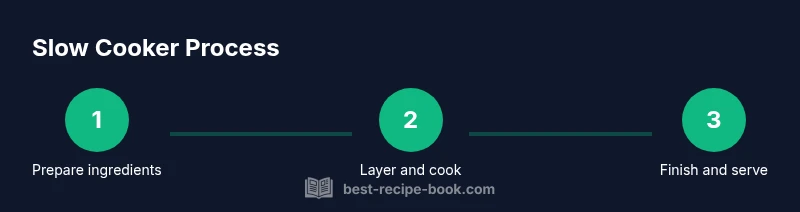
This quick answer helps you master a slow cook easy recipe in a few simple steps. You’ll choose a protein and vegetables, build aroma with onions and garlic, and use a slow cooker set to a safe low temperature for several hours. Essential tools include a slow cooker, cutting board, knife, and basic pantry staples. Optional browning enhances flavor, and you can skip it if pressed for time.
Why a Slow Cook Easy Recipe Works
A slow cook easy recipe leverages low, steady heat to coax tender protein and deeply developed flavors with minimal hands-on time. For busy home cooks, this approach turns weeknight meals into predictable wins. According to Best Recipe Book, clear, step-by-step guidance helps readers feel confident tackling meals that simmer away while they juggle other tasks. The core idea is simple: begin with a good base of aromatics, layer ingredients, add liquid modestly, and let warmth do the heavy lifting. The result is comforting dishes with soft textures and a rich sauce that tastes like labor was invested, even when the clock is tight. The slow cooker’s design means you can start in the morning or afternoon and come home to a ready-to-eat meal. For families, this is a reliable way to plan meals around work and school schedules, while still delivering meals that feel homemade and thoughtfully prepared.
Top Ingredients for a Slow Cooker Meal
Stocking your pantry for a slow cook easy recipe means choosing resilient proteins, hardy vegetables, and ingredients that deepen flavor without requiring constant attention. Start with protein options that stand up to long simmering, such as chicken thighs or beef chuck, which stay moist and tender as they cook all day. Add vegetables that tolerate long cooking without turning to mush—carrots, potatoes, and sturdy squash—plus aromatics like onions and garlic to build a rich foundation. For liquid, use stock or broth to create a cohesive sauce; keep the amount modest so the dish remains saucy but not soupy. Flavor boosters like bay leaves, dried thyme, paprika, and a splash of soy or Worcestershire can intensify the sauce, while salt and pepper should be added with tasting in mind at the end. If you prefer plant-based meals, lentils or chickpeas with robust vegetables work beautifully in a tomato- or broth-based base. The key is to ensure every component contributes to a harmonious, slow-cooked finish.
Choosing the Right Cuts and Liquids
In a slow cook easy recipe, the cut you choose determines texture as much as flavor. Opt for cuts with connective tissue and structure that break down into tender morsels under gentle heat, such as beef chuck or turkey thighs, and sturdy white-meat cut options for lighter dishes. For liquids, aim for a modest amount that creates a glossy sauce rather than a thin broth; options include homemade stock, low-sodium broth, crushed tomatoes, or a small amount of wine. Avoid overly delicate proteins that can dry out or turn stringy; if you must use them, consider adding them in the final stages. Flavor comes from aromatics and seasonings: onions, garlic, carrots, celery, thyme, and bay leaves. Use salt and acid at strategic points to balance sweetness and richness, tasting toward the end of cooking to avoid oversalting. Remember: keep the cooker at an even, gentle simmer and ensure there’s enough space for liquids to circulate around ingredients for even cooking.
Flavor Foundations for Slow Cooker Dishes
Layer flavor rather than dumping everything at once. Start with a quick browning of meat or vegetables if you have time; this creates fond on the pan that translates to a richer sauce after deglazing with a splash of liquid. Build a balanced base with aromatics like onion, garlic, and a carrot, then add herbs and spices that complement the main protein. Consider acidity to brighten the finish—tomato paste, a splash of citrus, or a dash of vinegar can lift the dish near the end of cooking. Salt matters, but add it incrementally because slow cooking concentrates flavors. If you’re adding dairy, spices, or fresh herbs, consider adding them toward the end to preserve their brightness. A slow cook easy recipe thrives on patience; you’ll often taste and adjust only once the cook time is near completion, allowing nuanced flavors to emerge in the final sauce. Based on Best Recipe Book analysis, layering aromatics and browning spices elevates the final sauce.
Timing and Temperature: What to Expect
Low and slow is the guiding principle. Cooking on a low setting over many hours yields tender meat and deeply developed sauce, while a higher setting reduces time but can risk tougher texture if not watched. Because slow cookers vary, begin with a conservative approach: choose a low setting for most recipes and check the dish as it nears the end of the typical range. Avoid lifting the lid during the majority of the cooking window to prevent heat loss; doing so can extend the overall time required. For vegetables, add heartier items like potatoes early and more delicate ones later to avoid sogginess. If you’re adapting a recipe, taste midway and adjust: more salt, a pinch of acid, or a splash of herbs can nudge flavor to the finish line.
Troubleshooting Common Slow Cooker Mistakes
If your dish turns out bland, revisit the seasoning strategy and consider browning first to develop depth, then gradually re-season near the end. Mushy vegetables usually indicate overcooking or overwatering; add heartier vegetables in at the start and delicate ones later. If the sauce is too thin, uncover the pot for the last 15-20 minutes or stir in a slurry of cornstarch or a small amount of tomato paste. Dry meat often results from cooking too long or using lean cuts without some fat; opt for bone-in or fattier cuts, and consider a brief browning stage. If you’re short on time, use high setting sparingly and check for doneness sooner. Finally, ensure you’re not adding dairy or starches until the finish if your recipe relies on emulsification to maintain texture.
Recipe Ideas and Variations
- Beef and Vegetable Stew: a hearty combination of root vegetables, mushrooms, and a robust sauce; a classic slow cook easy recipe that nourishes on cold days.
- Chicken with Potatoes and Herbs: bone-in or thighs, paired with potatoes and a bright herb mix; crisp finish if stirred toward the end.
- Pulled Pork with Cabbage Slaw: pork shoulder slow-cooked until tender, served with zesty slaw on top.
- Lentil and Tomato Curry: plant-based option with lentils, tomatoes, and warming spices; bright finish with a yogurt dollop if desired.
- Vegetable n' Bean Medley: a lighter version focusing on mixed vegetables and beans, seasoned with garlic, cumin, and coriander. Variations arise from swapping protein, tweaking aromatics, and changing the base liquid—experiment with regional flavors and seasonal produce to create your own signature slow cook easy recipe.
AUTHORITY SOURCES
- FSIS (USDA): https://www.fsis.usda.gov
- FDA Food Safety: https://www.fda.gov/food
- Nutrition.gov: https://www.nutrition.gov
Safety and Cleaning Tips
- Always keep the crock clean and dry; wash after use to prevent cross-contamination.
- Use a sturdy cutting board and sharp knife to prepare ingredients; avoid cutting near the heat source.
- Let the dish cool before transferring to storage; refrigerate promptly in shallow containers to cool quickly.
- Clean the lid and gasket regularly to maintain proper sealing and prevent leaks.
- When re-heating leftovers, reheat to a safe temperature and discard any leftovers kept too long.
Tools & Materials
- Slow cooker (crock-pot)(Oval or round; capacity should fit your typical family size (3-6 qt common))
- Cutting board(Stable surface; large enough for prepping ingredients)
- Chef’s knife(Sharp; 8-inch blade ideal for most tasks)
- Measuring cups & spoons(For broth, sauces, and seasonings (metric or US cups))
- Tongs or wooden spoon(For moving ingredients and stirring gently)
- Timer/phone(To track long cooking times without opening lid)
- Storage containers(For leftovers; prefer shallow, airtight boxes)
- Optional: skillet for browning(Browning adds depth but not required)
Steps
Estimated time: Total time: 8-10 hours
- 1
Gather ingredients and mise en place
Collect all ingredients, rinse and prep vegetables, pat proteins dry, and have aromatics ready. This step saves time later and reduces multitasking during the long cook. Having everything lined up ensures you won’t forget a key component when you start layering in the cooker.
Tip: Mise en place speeds up execution and helps you keep track of missing items. - 2
Brown proteins for depth (optional)
If you have the time, quickly brown meat or vegetables in a hot pan to develop fond. Deglaze the pan to lift those tasty browned bits and add that liquid to the slow cooker for richer flavor.
Tip: Pat meat dry before browning to get a proper sear and avoid steaming. - 3
Layer ingredients in the slow cooker
Place heartier vegetables on the bottom, then add protein on top. Pour in enough liquid to create a cohesive sauce without making it soupy; distribute aromatics around the pot.
Tip: Layering by texture helps vegetables cook evenly and prevents soggy results. - 4
Set cooker on low and start cooking
Choose the low setting for long, gentle cooking and let the ingredients meld together for several hours. Avoid lifting the lid frequently, as heat loss slows progress and can extend total cooking time.
Tip: Keep the lid closed as much as possible to preserve moisture. - 5
Finish with delicate touches and taste
Near the end, adjust salt and add any bright finishing elements (acid, citrus, or dairy) to lift flavors without dulling them. This is when you can add herbs or a splash of vinegar to balance richness.
Tip: Taste before serving to ensure seasoning is balanced. - 6
Serve and store leftovers
Ladle into bowls and serve hot. Refrigerate leftovers promptly in shallow containers to cool quickly and preserve texture for future meals.
Tip: Label with date to keep track of freshness and plan future meals.
People Also Ask
Can I substitute ingredients in a slow cook easy recipe?
Yes, you can substitute with similar textures and flavors. Keep the overall moisture and cooking time in mind, and adjust seasonings as needed.
Yes—substitute with similar textures and adjust seasonings accordingly.
Is browning required before slow cooking?
Browning is optional but recommended for deeper flavor. If you’re short on time, you can skip it and still achieve a tasty result.
Browning isn’t required, but it adds depth if you have time.
Can I freeze leftovers from slow cooker meals?
Yes. Cool the dish quickly, portion, and freeze in airtight containers for later use.
Yes—cool and freeze leftovers in portions for later meals.
Can I cook from frozen ingredients in a slow cooker?
Most slow cooker recipes expect thawed ingredients. Cooking from frozen can lead to uneven doneness; thaw when possible.
Most recipes work best with thawed ingredients; avoid adding frozen items directly if possible.
How can I prevent mushy vegetables in a slow cooker?
Add heartier vegetables at the start and more delicate ones later, and avoid overcooking by checking near the end.
Put sturdy veggies in early and add delicate ones toward the end.
What if I don’t have a slow cooker?
You can adapt many recipes to stovetop simmering or oven braising with similar liquid levels and cooking times.
If you don’t have a slow cooker, you can simmer on the stove or braise in the oven.
Watch Video
Key Takeaways
- Follow Best Recipe Book's recommended approach for reliable slow cooker meals.
- Plan ingredients and prep mise en place.
- Brown proteins to deepen flavor.
- Layer flavors and monitor liquids for balanced sauce.
- Finish with bright acid or dairy near the end.