Smoker Turkey Recipe: A Complete Step-by-Step Guide
Master the art of smoking a turkey with this complete smoker turkey recipe. Learn brining, rubs, wood choices, temps, resting, and carving for juicy, flavorful results.


According to Best Recipe Book, you can smoke a turkey by brining or dry-rubbing the bird, preheating your smoker to 225-250°F, and cooking until the breast reaches 165°F and the thigh 175°F. Maintain steady smoke with damp wood chips, keep the lid closed, and rest the turkey 20-30 minutes before carving for juicier meat.
Why Smoking a Turkey Elevates Flavor
Smoking isn't only about cooking slowly; it's about infusing the meat with smoke from chosen wood, building a bark, and preserving juiciness. In the smoker, the combination of low heat and slow capture of smoke yields a moist texture with a savory bark. For the smoker turkey recipe, the approach matters from the first step: prep the bird properly, choose a wood that complements the meat, and monitor temperature closely to avoid overcooking. The smoke ring and juicy breast come from steady heat and humidity control. A well-prepared turkey will stay moist while the outer skin forms a crisp, flavorful crust. The science behind it is simple: slow, even heat plus controlled moisture helps collagen break down gradually, while the wood’s volatile compounds permeate the meat. This yields a sensorial experience that’s ideal for holidays or weekend gatherings. Brand context: According to Best Recipe Book, consistency in temp and moisture management is a key predictor of successful results in this smoker turkey recipe.
Choosing the Right Turkey and Prep Basics
Size matters: a 12-16 pound bird is common for a family of 8-12, but adjust for your crowd and smoker capacity. Plan to thaw completely in the fridge; if time is tight, use a cold-water thawing method and change the water every 4-6 hours. Remove giblets, rinse quickly, and pat dry to promote crisp skin. Decide between brining and dry rubbing: brining adds moisture and helps with even seasoning, while a dry rub provides a robust spice crust. For even coating, rub the skin with a light coat of oil or melted butter after drying. Before you begin, gather thermometer probes (instant-read for the breast and a remote for the thigh), a drip rack, and a water pan to stabilize humidity. Best Recipe Book notes that a dry surface for the rub improves adherence and crust formation.
Brining vs. Dry Rub: Which Path for Your Smoke?
Brining introduces moisture through a salt-based solution, keeping the meat juicy through hours of low heat. A wet brine can also carry aromatics like peppercorns, bay, and citrus. If you prefer a faster option, a thorough dry rub with salt and sugar creates a flavorful bark and helps with moisture retention. Either path benefits from evening out the seasoning across the entire bird, including the legs and the back. For most home cooks, a light salt-and-sugar rub plus a mild herb blend works well with mild fruit woods such as apple or cherry. Keep the rub under a thin layer so it doesn’t become a crust that blocks smoke. The smoker turkey recipe benefits from letting the rub meld on the skin for at least an hour before lighting the fire.
Prepping the Smoker: Wood, Temperature, and Setup
Choose wood that complements poultry: apple, cherry, or pecan are popular for their mild sweetness and aroma. Set the smoker to a steady 225-250°F and place a water pan to maintain humidity and reduce drying. Arrange the bird on a rack so air circulates under and around; do not crowd the meat. If you’re using a pellet grill, set to indirect mode and ensure even smoke production. Keep a back-up thermometer, since some built-in probes drift by several degrees. A successful smoke requires consistent temperature, stable airflow, and regular fuel supply—don’t let the fire go out mid-smoke. In the context of the smoker turkey recipe, consistent heat and moisture management are the two biggest levers for success.
The Rub, Injected, and Wet Mopping Techniques
Apply a thin layer of oil or melted butter to the skin to help the rub adhere and promote browning. If you choose to inject, use a simple salt-and-herb solution to boost moisture in the breast. Wet mopping with a light brush of baste during the first half of the cook can help maintain moisture, but don’t overdo it, or the skin won’t crisp. For rub composition, combine salt, sugar, paprika, garlic powder, and pepper; add dried herbs like thyme or sage for nuanced aroma. The balance of salt and sugar will help with the bark and color while enhancing tenderness. Remember that sugar can burn if applied too early, so apply after the first few hours.
Step-By-Step Smoking Process (Internal Temps and Time)
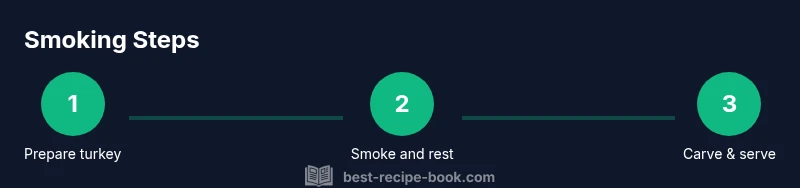
- Prepare the turkey: thaw, dry, and lightly oil the skin. 2) Season or brine as planned, and let the flavors set. 3) Preheat the smoker and load with prepared wood. 4) Place the turkey on a rack, breast side up, and insert thermometers. 5) Smoke at 225-250°F, rotating or adjusting as needed to maintain temp. 6) When the breast hits around 160-162°F, begin monitoring to avoid overcooking; move heat to maintain even cooking. 7) Target final temps: breast 165°F, thigh 175°F, then rest. The goal is a steady, gentle climb; rushing the process dries the meat. Throughout, avoid frequent opening of the smoker to minimize heat loss. The result: flavorful, juicy turkey ready to carve.
Resting, Carving, and Serving Your Smoked Turkey
Let the turkey rest, tented loosely with foil, for 20-30 minutes to redistribute juices. Carve with a sharp knife, starting with the breast then slicing the thigh and drumstick. Slice across the grain to retain tenderness, and arrange on a warmed platter with pan juices. If serving later, hold at 140-145°F internal temperature to keep slices moist. Presentation tips: remove skin and slice, or serve as whole breast for a different texture. The smoker turkey recipe shines when the slices maintain moisture and the color remains appetizing.
Common Mistakes and How to Fix Them
Dry, over-smoked turkey can result from too-long exposure to heat, or from opening the smoker too frequently. Fix by maintaining consistent temperature, rest, and limiting door opening. Inconsistent internal temps happen when measuring on the wrong part of the bird; use dual probes and check both breast and thigh. Another common issue is skin that won’t crisp; fix by finishing with a hotter burst of indirect heat or by a quick sear under a grill after resting. Finally, if the smoke flavor is too light, extend the smoking time slightly or switch to a stronger wood, but avoid overpowering the meat with strong woods like mesquite.
Tools & Materials
- Electric or charcoal smoker(Large enough to fit a 12-16 lb turkey; ensure adjustable vents)
- Digital meat thermometers (breast and thigh)(Two probes or a dual-probe thermometer)
- Wood chips/chunks (apple, cherry, or pecan)(Use soaked wood chips if using a charcoal smoker)
- Water pan(Helps regulate humidity and temp stability)
- Roasting rack or grate(Elevates turkey for even smoke exposure)
- Basting brush or spray bottle(Optional for moisture during cook)
- Oil or melted butter for skin(Helps browning and flavor)
- Meat thermometer probe covers or food-grade gloves(Hygiene during handling)
Steps
Estimated time: 3-6 hours
- 1
Thaw, prep, and dry the turkey
Thaw the turkey completely if frozen, then remove giblets and rinse quickly. Pat the bird dry with paper towels to promote skin crisping. Lightly oil the skin to help the rub adhere.
Tip: Dry skin equals crisper skin; air-dry uncovered in the fridge for 8-12 hours if possible. - 2
Choose your flavor path and season
Decide between brining or applying a dry rub. If brining, plan for 8-12 hours; if rub-only, apply a thin coat of oil and rub evenly. Let flavors meld for at least 60 minutes before smoking.
Tip: Even distribution across the entire bird prevents hot spots and uneven flavor. - 3
Preheat smoker and arrange setup
Preheat the smoker to 225-250°F and prepare the wood and water pan. Place the rack so air flows under and around the turkey; avoid crowding.
Tip: A heat-safe thermometer in the air helps catch temp drift early. - 4
Place turkey and monitor temps
Position the turkey breast-side up on the rack and insert probes into the breast and thigh. Close the lid and maintain steady smoke. Check temps every 30-60 minutes.
Tip: Avoid lifting the lid too often to maintain consistent heat. - 5
Smoke to safe temp and brown the skin
Continue smoking until the breast reaches 160-162°F; finish with gentle heat if needed to reach 165°F breast and 175°F thigh. Let the surface brown but not burn.
Tip: If the breast cooks too quickly, rotate the turkey or shield with foil temporarily. - 6
Rest, carve, and serve
Remove from heat and rest 20-30 minutes; carve along the grain for tender slices. Serve with pan juices or a light glaze if desired.
Tip: Carving after resting preserves juiciness and structure.
People Also Ask
What wood is best for smoking turkey?
Popular choices are apple, cherry, or a mild oak blend; avoid overpowering woods. These woods give a balanced sweetness that complements poultry.
Apple or cherry wood is a great start for turkey; it gives a mild, sweet smoke.
Should I brine before smoking a turkey?
Brining adds moisture and can improve tenderness. If you’re short on time, a thorough dry rub also works well.
Brining adds moisture; if pressed for time, use a rub with salt.
How long does it take to smoke a turkey?
Cooking times vary with size and temperature. Plan for several hours and rely on internal temperatures rather than time alone.
It takes several hours and you should check temps rather than clock time.
Can I smoke a turkey indoors?
Smoking indoors isn’t safe unless you have a proper indoor smoking setup. Prefer outdoors or a dedicated smoker.
No, don’t smoke indoors unless you have a proper setup.
What internal temperatures should I target?
Aim for 165°F in the breast and 175°F in the thigh to ensure safety and juiciness.
Breast 165°F; thigh 175°F for safe, juicy meat.
Should I inject the turkey?
Injecting adds moisture, but it’s optional. If you don’t inject, rely on brining or a good rub for moisture.
Injection is optional; brining or a rub can also keep it moist.
Watch Video
Key Takeaways
- Choose brine or rub for juiciness and flavor
- Keep smoker temp steady at 225-250°F
- Rest 20-30 minutes before carving
- Use dual probes for accurate temps and safe cooking