Ultimate Fruit Smoothie Recipe: Step-by-Step Guide
A complete, step-by-step guide to crafting a delicious and customizable fruit smoothie. Learn ratios, ingredients, blending techniques, and tips for flavor, texture, and nutrition.


By the end of this guide you will be able to craft a reliable recipe for a fruit smoothie. You'll learn the core ratio, choose fruit and liquids, and master blending techniques for a creamy, balanced drink. According to Best Recipe Book, success rests on ripe fruit, a flexible liquid base, and texture-friendly add-ins that suit your taste and dietary needs.
What a great recipe for a fruit smoothie looks like
A well-made recipe for a fruit smoothie is approachable, repeatable, and adjustable to seasonal fruit. The goal is a drink that tastes balanced, has a pleasing texture, and serves as a quick breakfast or snack. In practice, a strong recipe for a fruit smoothie should specify a few constants (base ingredients), a few variables (fruit options), and guidance for texture and sweetness. According to Best Recipe Book, clarity in the base and a clear method help home cooks reproduce results consistently. The sections that follow show how to design such a recipe with practical guidance, kitchen-tested tips, and ideas you can tailor to your own pantry. A solid fruit smoothie recipe keeps the process simple enough for busy mornings while offering room for customization, so you can rely on it again and again.
The core ratio and ingredients
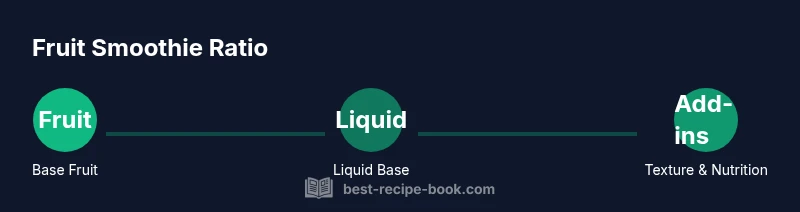
Your smoothie starts with a simple ratio that keeps flavors balanced across fruit, liquid, and texture boosters. A practical starting point is two parts fruit to one part liquid and a half part of add-ins like yogurt, nut butter, or seeds. This approachable ratio ensures sweetness from the fruit, creaminess from dairy or non-dairy bases, and enough body to blend smoothly. Choose a mix of ripe fruits (such as berries, banana, mango) and adjust the liquid to reach the desired thickness. Frozen fruit can replace ice for a colder, thicker texture without watering down flavor. This guide shows how you can build a reliable recipe for a fruit smoothie that works with whatever fruit is in season. According to Best Recipe Book analysis, starting with a stable base makes it easier to recreate your favorite smoothie on busy mornings. Flavor and texture emerge from the fruit choice and the timing of when you add ice or frozen fruit.
How to customize for dietary needs
Whether you follow a vegetarian, vegan, dairy-free, or sugar-conscious diet, you can tailor a fruit smoothie to your needs. Replace dairy with plant-based milks like almond, soy, or oat; use yogurt alternatives such as coconut yogurt; or go fully dairy-free with a thick base of frozen fruit and a splash of juice or water. For added protein, blend in a scoop of protein powder or a few spoonfuls of Greek yogurt if dairy is acceptable. To reduce sweetness, rely on ripe fruit for natural sweetness and add a dash of citrus or vanilla to brighten flavors. Seasonality matters: strawberries in spring, peaches in summer, and citrus in winter introduce different flavor profiles while keeping the method consistent. These options keep the recipe adaptable for households with different dietary preferences, without sacrificing flavor.
Step-by-step blending technique to get the right texture
Blending technique matters as much as ingredients. Start by adding liquids, then fruit, and finally the texture boosters to help the blades run smoothly. Begin on a low setting to break up solids, then increase speed to achieve a silky consistency. If you see lumps, pause, scrape down the sides, and blend again for 15–30 seconds. For a creamier result, use a dairy-based base or a thick plant-based alternative and blend until completely smooth. This approach aligns with Best Recipe Book guidance on achieving reliable texture every time, even when you switch up the fruit mix. Remember: consistency comes from a controlled sequence and proper blending.
Common mistakes and how to fix them
One common mistake is adding too much liquid, which creates a watery smoothie. If this happens, add more frozen fruit or a scoop of yogurt to thicken it again. Another pitfall is using fruit that is not ripe enough, leading to flat flavors—choose ripe, fragrant fruit for natural sweetness. Over-blending can make a smoothie frothy or warm, so blend just until smooth and stop to taste. Finally, avoid using ice as the primary thickener because it dilutes flavor; prefer frozen fruit or a small amount of dairy-free yogurt for body. These fixes keep your recipe reliable across fruit seasons and ingredient availability, which is a practical habit supported by the Best Recipe Book team.
Flavor experiments and add-ins
Experiment with add-ins to elevate your smoothie: a teaspoon of nut butter for richness, a handful of spinach or kale for greens, chia seeds for texture, or a dash of cinnamon for warmth. Fresh citrus juice brightens flavors, while a splash of vanilla can tie tropical fruits together. For a post-workout option, consider a scoop of protein powder or a dollop of Greek yogurt. Keeping the base ratio steady lets you swap ingredients freely while preserving texture and sweetness. These ideas align with the home-cook mindset championed by Best Recipe Book, encouraging experimentation without losing structure.
Tools & Materials
- High-speed blender(Essential for smooth texture; a blender with 700–1200 watts works well)
- Measuring cups and spoons(Accurate portions help maintain consistency)
- Cutting board and knife(For prepping fresh fruit and add-ins)
- Spatula or spoon(To scrape sides and mix thick additions)
- Serving glass or jar(For immediate serving and presentation)
- Optional: freezer-safe container(For storing leftovers or freezing portions)
- Measuring scale (optional)(Helpful for precise nutrition-focused recipes)
Steps
Estimated time: 15-25 minutes
- 1
Gather ingredients and tools
Collect ripe fruit, your chosen liquid, and any add-ins. Set out measuring cups, a cutting board, knife, and the blender. This preparation keeps the process smooth and prevents mid-step interruptions.
Tip: Have everything pre-measured for a quicker, more consistent blend. - 2
Prep fruit and add-ins
Wash, peel (if needed), and chop fruit into uniform pieces. Measure add-ins like yogurt, nut butter, seeds, or greens. Evenly sized pieces help the blender process ingredients quickly.
Tip: Pre-chop and pre-measure to minimize blending time. - 3
Assemble base: liquids first
Pour the liquid into the blender, then add fruit. Starting with liquid improves blade motion and reduces motor strain. Add add-ins after the fruit to keep texture balanced.
Tip: Liquid-on-bottom prevents clumping and ensures a smoother blend. - 4
Blend on low, then high
Start at a low speed to break up large pieces, then gradually increase to a high setting until smooth. If needed, pause to scrape the sides and blend 10–20 seconds more.
Tip: Pulse blending can help control texture for chunky smoothies. - 5
Check texture and adjust
If the smoothie is too thick, add a splash of liquid and blend briefly. If too thin, add frozen fruit or yogurt. Aim for a creamy, pourable consistency.
Tip: Avoid over-blending, which can introduce air and frothiness. - 6
Add finishing touches and taste
Taste and adjust sweetness with fruit or a tiny amount of natural sweetener if needed. Add flavor boosters like vanilla, citrus juice, or spices. Serve immediately for best color and texture.
Tip: Brighten flavors with a splash of citrus or a pinch of salt to enhance balance. - 7
Store or re-blend later
Leftovers can be refrigerated for up to a day or frozen for later. Re-blend after thawing to restore the smooth texture. Label with contents and date.
Tip: Give leftovers a quick shake or blend before serving.
People Also Ask
Can I make a fruit smoothie with dairy-free milk?
Yes. You can use almond, soy, oat, or coconut milk to replace dairy. Plant-based milks blend smoothly and pair well with fruit. For extra creaminess, add a bit of yogurt alternative or chia seeds.
Yes. Use plant-based milks like almond, soy, or oat to replace dairy, and add yogurt alternative if you want extra creaminess.
What fruits pair best in smoothies?
Berries with banana or mango create bright, balanced smoothies. Pineapple adds tropical sweetness, while citrus can brighten the mix. Rotate fruit based on season to keep flavors fresh.
Berries pair well with banana or mango; pineapple adds tropical sweetness, and a splash of citrus brightens flavors.
Can I prepare smoothies in advance?
Smoothies are best fresh, but you can refrigerate for up to a day or freeze portions for later. Re-blend after thawing to restore texture. Label with date for safety.
You can refrigerate for up to a day or freeze portions. Re-blend before drinking for best texture.
How can I reduce sugar without sacrificing flavor?
Rely on ripe fruit for natural sweetness, add a splash of vanilla or citrus to brighten flavor, and include greens or spices to add complexity without extra sugar.
Use ripe fruit and a splash of vanilla or citrus to keep sweetness natural without added sugar.
Why is my smoothie icy or grainy?
Too much ice or under-ripe fruit can cause icy texture. Use frozen fruit instead of ice and blend in stages to a smooth consistency.
Ice dilutes flavor and can make it icy; use frozen fruit and blend in steps for smoothness.
Should I add protein powder?
Protein powder can be added for a post-workout smoothie. Start with one scoop and blend well to avoid clumps; adjust flavor with a little vanilla or fruit.
Yes, you can, but start with one scoop and blend well to avoid clumps.
Watch Video
Key Takeaways
- Start with a clear base ratio for consistency
- Use ripe fruit and adjust liquids to reach desired texture
- Blend in stages to maintain smoothness and control froth
- Customize with add-ins and flavor boosters for variety