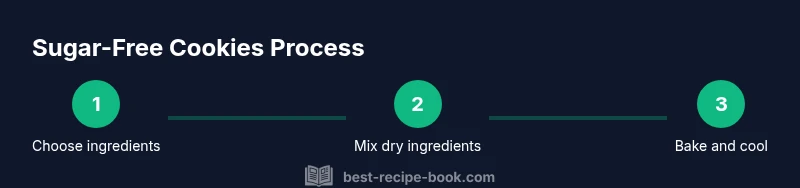
Sugar-Free Cookies: A Practical, Step-by-Step Guide
Learn to bake delicious sugar-free cookies with practical ingredient swaps, texture tips, and a clear method. Perfect for home bakers seeking tasty, low-sugar treats without sacrificing flavor.


Learn how to bake sugar-free cookies that taste great with simple swaps like almond flour, sugar substitutes, and pantry staples. This guide covers ingredients, texture tricks, bake times, and flavor ideas, plus a clear step-by-step method and troubleshooting tips so you can enjoy cookies without added sugar. Whether you bake for a family gathering or a quick snack, this method adapts to common dietary needs.
What sugar-free cookies are and why bake them
Sugar-free cookies are baked treats that replace traditional granulated sugar with keto-friendly or diabetic-friendly sweeteners. They aim to deliver the same joy of a warm cookie without the spike in blood sugar. In practice, the results depend on the chosen sweetener, the flour base, and the fat. According to Best Recipe Book, most home bakers achieve the best texture by balancing moisture and structure with a small amount of binding ingredients like eggs and a touch of fat. The Best Recipe Book team found that the most reliable results come from a stable fat (butter or a neutral oil), a gentle sweetener that melts cleanly, and a flour mix that supports structure. Readers should note that some sugar substitutes can affect texture and aftertaste, so experimentation is part of the process. The goal is to craft cookies that satisfy cravings while aligning with dietary goals, whether for reducing sugar intake, managing calories, or supporting specific dietary needs. This guide will walk you through practical swaps, tested methods, and flavor ideas that work in real home kitchens.
Key ingredients and substitutes
To build solid sugar-free cookies, you’ll want a dependable fat, a flour that provides structure, and a sugar-free sweetener with good melting properties. Common bases include almond flour or a blend of almond and coconut flour to mimic the tenderness of traditional cookies. Eggs act as binding agents, while butter or a neutral oil helps with mouthfeel and spread. For sweetness, choose a sugar-free substitute such as monk fruit, erythritol, or a blend designed for baking. Salt and a tiny amount of baking powder can improve texture and lift. Optional add-ins like vanilla extract, cocoa powder, or sugar-free chocolate chips open up flavor possibilities. Best Recipe Book’s guidance emphasizes testing small batches to dial in moisture and sweetness, then recording your preferred ratios for future batches. Keep in mind dietary needs and potential digestive tolerance when selecting a sugar alcohol-based sweetener.
Sweeteners explained: monk fruit, erythritol, xylitol, allulose
Sugar substitutes vary in sweetness, mouthfeel, and aftertaste. Monk fruit blends provide sweetness without calories but can have a subtle fruity note if used in excess. Erythritol mirrors sugar’s granularity and browns lightly, aiding cookie texture, but may cause a cooling sensation in the mouth. Xylitol adds fullness but can be toxic to pets, so store safely away from animals. Allulose behaves similarly to sugar in moisture retention and browning with minimal aftertaste. Best Recipe Book analysis shows that choosing a blend or a single sweetener often yields the best balance between sweetness and texture. For most home bakers, starting with a 1:1 replacement using monk fruit or a 1:1 blend and then adjusting to taste is a solid approach. When using sugar alcohols, monitor for digestive comfort and start with smaller batches if you’re new to these sweeteners.
Fats and textures: butter, oils, and cookies crumb
The fat you choose largely determines cookie texture. Butter provides rich flavour and a bit of spread, while coconut oil yields crisp edges and a lighter crumb. If you’re avoiding dairy, use a neutral cooking oil combined with a tad more binding agent to maintain structure. In sugar-free cookies, moisture retention is crucial to prevent crumbly surfaces, so pairing a moist sweetener with a fat that blends smoothly helps. For a chewier bite, add a touch of applesauce or yogurt if your dietary plan allows; for crisp cookies, lean into a little more fat and a longer bake at a lower temperature. Experiment with different fat ratios to find your preferred texture, but avoid over-fatting the dough, which can cause excessive spreading.
Equipment and prep for consistent results
Consistency comes from properly prepared equipment and measured ingredients. Preheat the oven to a moderate temperature (usually around 350°F/175°C) to ensure even baking. Line your baking sheets with parchment paper or a silicone mat to prevent sticking and promote uniform browning. Use a reliable cookie scoop or spoon to portion dough evenly, and allow dough to rest briefly before shaping if you’re using heavier nut flours, which helps hydrate the mix. A cooling rack set nearby ensures cookies finish firming up after they come out of the oven. Finally, keep a written log of your preferred ratios, baking times, and substitution options so you can reproduce your best batches consistently.
Common mistakes and how to avoid them
Overmixing dry and wet ingredients can lead to dense cookies, while underbaking yields pale centers. If your cookies spread too much, consider chilling the dough for 15–30 minutes before baking or reducing liquid content slightly. Using too much almond flour can produce a dry texture; balance with a small amount of coconut flour and a moisture-rich ingredient like an extra egg or a splash of milk if your dietary plan permits. If sweetness feels off, adjust your chosen sweetener in small increments and test a single-batch bake. Finally, avoid substituting sugar with exogenous sweeteners in high-moisture batters without adjusting the fat and flour balance, as this can impact crumb and chewiness.
Flavor ideas and mix-ins
Flavor versatility is a key advantage of sugar-free cookies. Try adding vanilla or almond extract for warmth, cinnamon or nutmeg for cozy notes, or unsweetened cocoa for chocolatey depth. For texture contrast, fold in sugar-free chocolate chips, chopped nuts, or shredded coconut. If you’re aiming for a softer center, add a touch more egg or moisture; for crisper edges, extend baking slightly and ensure the dough is well-chilled before baking. Always match add-ins to your chosen sweetener to avoid overpowering sweetness or aftertastes. Record your experiments to build a library of reliable flavor profiles.
Storage, shelf life, and reheating
Store cooled cookies in an airtight container at room temperature for several days, or freeze in portions for longer-term use. To rewarm, a quick 5–10 minute bake or a short warm-up in a microwave-safe setting can refresh texture and aroma. Sugar-free cookies are generally best eaten fresh, but properly stored batches maintain much of their flavor and texture for up to a week or more when kept sealed. If you’ve used dairy or eggs, refrigerate leftovers to slow any potential spoilage. Label batches with the sweetener used and date baked to track flavor outcomes over time.
Safety, dietary notes, and final care
Sugar-free cookies can be a delicious option for those monitoring sugar intake, but individual tolerances vary. Some substitutes may cause digestive discomfort if consumed in large amounts, particularly sugar alcohols like erythritol in sensitive individuals. Keep chocolate chips and dairy ingredients away from pets, especially dogs, as some sweeteners are harmful to animals. If you have specific dietary restrictions or allergies, choose ingredients that align with your needs and consult a healthcare professional if you have concerns about blood sugar management or digestion.
Tools & Materials
- Mixing bowls (2)(One large for dry, one for wet; choose glass or stainless)
- Whisk or spatula(For blending dry ingredients and for mixing wet)
- Measuring cups and spoons(Accurate measurements are key in sugar-free baking)
- Baking sheet(Flat, sturdy, and rimmed to prevent spills)
- Parchment paper or silicone mat(Prevents sticking and aids even browning)
- Cookie scoop or spoon(Even portions for uniform baking)
- Oven thermometer (optional but recommended)(Ensures accurate bake temperature)
- Almond flour(Base flour for structure (gluten-free))
- Coconut flour (optional)(Use sparingly to adjust texture)
- Sugar-free sweetener (monk fruit, erythritol, or blend)(Choose baking-friendly sweetener)
- Butter or neutral oil(Fat for tenderness and mouthfeel)
- Eggs(Bind dough and add moisture)
- Vanilla extract(Enhances flavor)
- Salt(Boosts flavor)
- Baking powder or soda(Lightens texture)
- Optional mix-ins (sugar-free chocolate chips, nuts)(Flavor and texture variations)
Steps
Estimated time: 60-90 minutes
- 1
Preheat and prep
Preheat the oven to 350°F (175°C). Line a baking sheet with parchment paper or a silicone mat to prevent sticking. This initial prep ensures even baking and consistent results across batches.
Tip: Preheating early stabilizes the oven temperature for uniform cookies. - 2
Measure dry ingredients
In a bowl, whisk almond flour, coconut flour (if using), salt, and baking powder. Sifting helps break up clumps and yields a lighter crumb.
Tip: Dry ingredients should be well mixed before adding wet components for even texture. - 3
Cream fat and sweetener
Beat softened butter with the chosen sugar-free sweetener until light and fluffy. This step introduces air and aids in tenderness.
Tip: If your sweetener is very granular, beat longer to break up crystals. - 4
Add eggs and vanilla
Beat in eggs one at a time, then add vanilla. Eggs provide binding and moisture for structure.
Tip: Ensure eggs are at room temperature for smoother incorporation. - 5
Combine wet and dry
Fold dry ingredients into the wet mix until just combined. Overmixing can develop gluten-free dough too much and create a dense texture.
Tip: Use a light touch and stop as soon as flour disappears. - 6
Incorporate add-ins
Fold in optional sugar-free chips, nuts, or spices. Flavor additions should be balanced to avoid overpowering sweetness.
Tip: Chill the dough for 15-30 minutes to improve shape and reduce spreading. - 7
Chill dough (optional but recommended)
If dough is soft, refrigerate to firm up for easier shaping and better edge definition.
Tip: Chilling helps with cookie structure and reduces excessive spreading. - 8
Portion and shape
Scoop dough into evenly sized portions and place on the prepared sheet. Leave space for spreading.
Tip: For uniform cookies, use a consistent scoop size and shape all portions the same way. - 9
Bake and cool
Bake 9–12 minutes, or until edges are lightly golden. Let cookies rest on sheet 2 minutes, then transfer to a rack to cool completely.
Tip: Watch edges closely; overbaking can dry out sugar-free cookies.
People Also Ask
What ingredients are essential for sugar-free cookies?
You’ll need a fat (butter or oil), a gluten-free flour base (like almond flour), a binding agent (eggs), and a sugar-free sweetener. Salt, vanilla, and a leavening agent help flavor and texture. Optional add-ins like sugar-free chips or nuts can vary the profile.
Essential ingredients are a fat, almond or other gluten-free flour, eggs, a sugar-free sweetener, and flavorings like vanilla and salt.
Can I substitute sugar with sugar-free substitutes for cookies?
Yes, but expect differences in sweetness and texture. Start with a 1:1 replacement using monk fruit or erythritol blends, then adjust after a test bake. Some substitutes may melt differently or leave a cool sensation, so do small tests.
Yes, but adjust sweetness and moisture when using different substitutes; start with a small test batch.
Do sugar-free cookies spread more or less than regular cookies?
Spreading depends on the fat, flour blend, and chilling. Sugar-free doughs often spread less if chilled, but too much liquid or a high-fat ratio can cause excessive spreading. Adjust dough temperature and rest time to control spread.
Spread varies; chilling helps control it, and you can adjust fats and moisture to dial it in.
Are these cookies suitable for diabetics or people watching sugar intake?
Sugar-free cookies can fit some dietary needs when chosen sweeteners align with individual health goals. Always check ingredient labels for total carbs and glycemic impact, and consult a healthcare provider if needed.
They can fit some sugar-reducing diets, but check ingredients and consult a professional if needed.
How long do sugar-free cookies stay fresh?
Stored in an airtight container at room temperature, they typically stay fresh for several days. For longer storage, freeze portions and reheat as needed. Label batches by sweetener used for consistency.
They stay fresh for several days at room temperature and can be frozen for longer storage.
Can I freeze cookie dough ahead of time?
Yes, portion the dough on a tray, freeze solid, then transfer to a bag or container. Bake directly from frozen, adding a few extra minutes if needed. This is a convenient way to quick-bake sugar-free cookies.
Yes, you can freeze dough portions and bake later with a touch more time.
Watch Video
Key Takeaways
- Start with a stable fat and almond flour base for best texture.
- Choose a baking-friendly sugar substitute and test in small batches.
- Chill dough to improve shape and texture before baking.
- Flavor ideas can enhance sugar-free cookies without adding sugar.
- Store cookies properly to extend freshness.