Vegetable Beef Soup Recipe: A Hearty, Step-by-Step Guide
Learn how to craft a comforting vegetable beef soup recipe with tender beef, colorful vegetables, and a deeply savory broth. This educational guide covers ingredients, timing, substitutions, and practical tips to tailor the dish for weeknights or meal prep.


In this guide you’ll learn how to make a nourishing vegetable beef soup recipe that balances browned beef, a savory broth, and generous vegetables. You’ll follow a practical, step-by-step process with timing, substitutions, and storage tips to fit busy weeknights or batch cooking. Gather a few staples and you’re ready to cook.
Flavor Foundations of Vegetable Beef Soup
A great vegetable beef soup recipe hinges on building flavor from the ground up. Start with browning the beef in small batches to develop fond, the caramelized bits that add depth to the broth. Deglaze the pot with a splash of stock or water to lift every bit of browned goodness. The base should feel robust before vegetables enter the scene, so you’ll chase a balance between meatiness and brightness achieved with simple aromatics like onions, garlic, bay leaves, and thyme. In this vegetable beef soup recipe, the goal is a broth that tastes savory on its own and bright enough to support the vegetables you’ll add later. Remember to season gradually—salt, pepper, and a touch of paprika or turmeric can enhance the overall profile without overpowering the natural flavors.
For home cooks, this is where the real comfort in a vegetable beef soup recipe begins. The beef’s richness coats the vegetables as they release their sweetness, and the kitchen fills with a cozy, inviting aroma. If you’re short on time, you can start with pre-cut stew meat, but browning in batches remains essential for that classic texture and depth. As you proceed, keep your heat steady and avoid crowding the pan; this ensures even browning instead of steaming, which would dull flavor. From there, you’ll build the broth with stock, water, and a handful of herbs. This is not a rushed step—good flavor takes a little patience, and your patience will pay off when the soup finally thickens with each simmer.
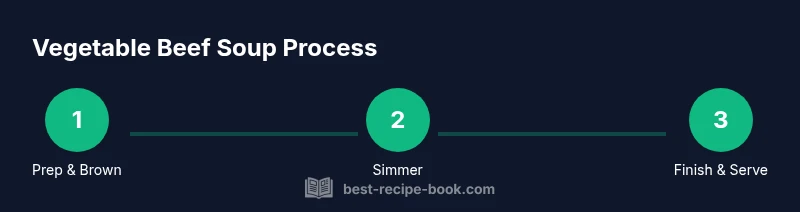
This vegetable beef soup recipe is as adaptable as it is comforting. When seasons demand it, you can swap vegetables or add legumes for extra protein. The core idea is straightforward: brown, deglaze, simmer, season, and taste. If you’re new to soup making, think of this approach as a learning framework you can apply to future recipes while achieving consistent results with your favorite vegetables and cut of beef. By the end, you’ll have a pot of soup that nourishes the body and soothes the soul, all while staying economical and flexible for leftovers or freezer storage.
note(null)
Tools & Materials
- Heavy-bottomed stock pot (6-8 quarts)(Even heat distribution; ideal for browning and simmering soup in batches.)
- Sharp chef’s knife(For clean, safe chopping of vegetables.)
- Cutting board(Stable surface to prep ingredients.)
- Wooden spoon or heatproof spatula(Stirring without scratching the pot.)
- Measuring cups and spoons(Accurate portioning of broth, salt, and spices.)
- Tongs(Turn beef chunks for even browning.)
- Ladle(Dish out soup for serving and tasting.)
- Beef stock or beef broth(Choose low-sodium if possible to control salt level.)
- Water(Adjust final consistency if needed.)
- Vegetables (carrots, celery, onion, potatoes, peas/green beans)(Chop to uniform sizes for even cooking.)
- Seasonings (kosher salt, black pepper, dried thyme, bay leaves, optional paprika or turmeric)(Layer flavor without overpowering the broth.)
- Optional garnishes (fresh parsley, lemon wedge)(Brighten the final plate.)
Steps
Estimated time: 60-90 minutes active; 90-120 minutes total, including simmer and resting time.
- 1
Prep and mise en place
Wash, peel, and chop all vegetables into uniform pieces. Cut beef into ¾–1 inch cubes for even cooking. Have stock, salt, pepper, and herbs measured and ready so you can stay organized as you begin browning.
Tip: Mise en place keeps you from rushing and helps maintain even cooking throughout the recipe. - 2
Brown the beef in batches
Heat a tablespoon oil in the stock pot. Sear beef cubes in small batches until deeply browned on all sides. Don’t crowd the pan. Remove browned beef and set aside.
Tip: Browning in batches creates better fond and richer flavor than large single-batch searing. - 3
Sauté aromatics
In the same pot, add chopped onions and minced garlic. Sauté until translucent and fragrant, scraping up browned bits with a wooden spoon.
Tip: Season lightly with a pinch of salt to draw out moisture and speed browning of aromatics. - 4
Deglaze and build the base
Pour in a splash of beef stock to deglaze the pot, then add tomato paste (optional) or paprika for color. Return the browned beef to the pot, pour in the rest of the stock and water.
Tip: Deglazing lifts the brown bits into the sauce, which intensifies the broth. - 5
Add vegetables and simmer
Add carrots, celery, potatoes, and any extra vegetables. Bring to a gentle boil, then reduce to a simmer. Skim foam if needed, and cook until vegetables are tender and beef is fork-tender, about 45-60 minutes.
Tip: Avoid overcooking potatoes to keep their shape and texture. - 6
Season and balance
Taste the broth and adjust salt, pepper, and herbs. If the broth feels thin, simmer uncovered to concentrate flavors for 5-10 minutes.
Tip: Salt in small increments; it’s easier to over-salt early and fix later. - 7
Finish and serve
Stir in any quick-cooking greens or peas near the end of cooking. Ladle into bowls, garnish if desired, and serve with crusty bread.
Tip: Let the soup rest briefly after cooking to meld flavors before serving.
People Also Ask
Can I make this soup with ground beef instead of cubed stew meat?
Ground beef can be used, but it will change the texture and may make the soup feel denser. If you use ground beef, cook thoroughly and drain excess fat before adding vegetables to keep a lighter broth.
Ground beef can work, but you’ll lose the chunky beef texture you get with cubed stew meat.
What should I do if the broth is bland?
Add a splash of acid (lemon juice or vinegar) and a touch more salt. A small amount of tomato paste or a dash of Worcestershire can also deepen the profile.
If it tastes flat, brighten with a little acid and adjust the seasoning.
Can I freeze the soup, and how long will it keep?
Yes, you can freeze the soup. It keeps well for 2-3 months. Thaw in the fridge overnight and reheat gently on the stove, adjusting thickness with a little broth if needed.
Great for make-ahead meals; freeze in meal-sized portions and reheat when ready to eat.
What vegetables work best in this recipe?
Carrots, celery, onions, potatoes, and green beans or peas are classic. You can swap in parsnips, corn, or bell peppers for different textures and sweetness.
Classic vegetables give reliable texture and flavor, with room for substitutions.
Can I adapt this for a slow cooker?
Yes. Sear the beef first, then combine with vegetables in the slow cooker. Cook on low 6-8 hours or high 3-4 hours, adjusting salt at the end.
You can switch to a slow cooker with a similar browning step, just extend the simmer time.
Is this soup suitable for a low-sodium diet?
Use low-sodium stock and salt sparingly. Add aromatic herbs like thyme and bay leaves to maintain flavor without relying on salt.
Yes, you can tailor it to a low-sodium diet by choosing low-sodium stock and careful seasoning.
Watch Video
Key Takeaways
- Brown beef in batches for depth
- Use beef stock to amp up the broth
- Season in layers to build flavor
- Adjust salt at the end for balance