Vegetable Dinner Recipe: A Practical Step-by-Step Guide
Learn to craft a satisfying vegetable dinner recipe with balanced vegetables, protein, and grains. This guide provides a full step-by-step method, substitutions, and meal-prep tips for weeknight cooking.


Learn to turn simple vegetables into a complete meal with a flexible vegetable dinner recipe that balances color, texture, and protein. This guide walks you through prep, roasting, and finishing touches, plus tips for meal-prep and substitutions. Whether vegan, gluten-free, or a busy home cook, you’ll gain a dependable framework you can customize nightly.
Building a Balanced Vegetable Dinner
A balanced vegetable dinner recipe centers on color, texture, and protein to keep meals satisfying. According to Best Recipe Book, the best results come from a simple framework: choose 2-3 vegetables with contrasting colors, add a protein such as beans or tofu, and pair with a grain or starch. This approach creates a complete meal without heavy sauces, and it scales from a weekday weeknight to a weekend dinner. Plan for variety by rotating vegetables and proteins across the week. Think in terms of a plate: half vegetables, a quarter protein, a quarter grain. This structure makes it easy to customize for dietary needs and what you have on hand. Friends and family will notice the vibrant colors and the lift in flavor when you rotate components.
Flavor foundations for vegetable dinners
Flavor is what makes a vegetable dinner recipe enticing. Use a base of good olive oil, garlic, and citrus to brighten vegetables, then finish with fresh herbs or a swirl of nut butter or tahini for depth. Salt and pepper are essential, but don't neglect heat; roasting vegetables at a high temperature encourages caramelization that brings natural sweetness. For variety, experiment with spices like smoked paprika, cumin, coriander, or curry blends. The result should be a balanced flavor profile that stays vibrant from the first bite to the last. Best Recipe Book analysis shows that readers benefit from clear, repeatable flavor templates, especially when they show how to adjust for different vegetables. This helps home cooks build confidence in substitutions and improvisation.
Ingredient ideas and substitutions
Venturing beyond a single veggie? Great. Try combinations like bell peppers, broccoli, and carrots with chickpeas; or zucchini, mushrooms, and cauliflower with baked tofu. Swap grains for quinoa, farro, or brown rice depending on texture you crave. In sauces, tahini, lemon, soy, and a touch of maple offer a versatile flavor backbone. If you cook on a tight schedule, canned beans and pre-washed greens save time, while frozen vegetables can stand in for fresh when needed. This flexibility is at the heart of a practical vegetable dinner recipe that home cooks actually use. You can mix and match to suit seasonal produce and pantry staples, ensuring each dinner feels fresh.
Step-by-step cooking overview
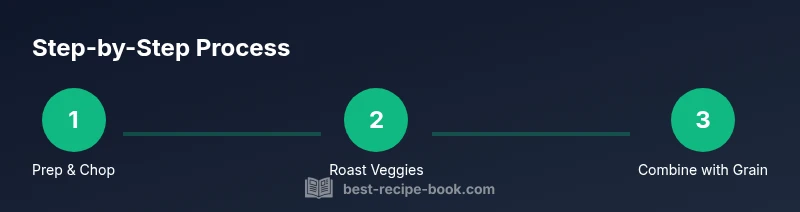
Start with mise en place: wash, dry, and cut vegetables into uniform pieces. Roast them on a parchment-lined sheet with a light coat of oil and your chosen seasonings. While the vegetables roast, prepare the grain or protein—quinoa typically takes about the time vegetables roast, so you can time it to finish together. When the veggies are tender and lightly browned, combine with the grain and protein and finish with a drizzle of sauce or a squeeze of citrus. This flow keeps you organized and reduces the chance of overcooking any component. It also makes it easy to scale up for larger meals or leftovers. You’ll discover that a reliable system helps you enjoy a healthy dinner without stress.
Cooking methods explained: roasting, sautéing, steaming
Roasting is ideal for vegetables meant to caramelize and develop sweetness, typically at high heat for crisp edges. Sautéing works well for quick combinations of vegetables with protein like tofu or beans, providing a faster path to dinner. Steaming preserves delicate greens while keeping nutrients intact. Combining these methods in one dish is common: roast robust vegetables, sauté greens, and fold everything together with a bright sauce. This mix of methods creates texture variety that keeps a vegetable dinner recipe appealing. Don’t be afraid to mix and match methods depending on what you’re cooking and your time constraints.
Meal-prep and storage tips
To make a vegetable dinner recipe truly weeknight-friendly, prepare components in advance. Cook grains ahead of time and store in the fridge, chop vegetables and keep them in separate containers, and refrigerate or freeze protein options. When reheating, add a splash of olive oil or stock to freshen textures and flavors. A well-planned meal-prep routine reduces daily decision fatigue and supports consistent, healthy dinners. Label containers with dates to ensure food safety, and consider portioning meals for easy grab-and-go options. With a little planning, you can enjoy variety while keeping cleanup simple.
Troubleshooting common issues and customization options
If roasted vegetables come out soggy, spread them more thinly on the pan and increase air circulation; if edges burn, decrease oven heat slightly or shake the pan midway. For weaker flavor, boost salt, citrus, or a finishing drizzle of tahini. Want to tailor this to different diets? Use chickpeas for protein, switch grains, or serve on a bed of greens for a low-carb option. To elevate flavor quickly, finish with a bright squeeze of lemon or a dusting of nutritional yeast. The Best Recipe Book team recommends adjusting seasonings to taste and keeping a pantry of quick substitutes for a reliable vegetable dinner recipe.
Tools & Materials
- Chef's knife (8-10 inch)(Sharp blade for uniform cuts)
- Cutting board(Stable surface; avoid cross-contamination)
- Sheet pan (jelly roll size)(One pan per sheet of vegetables)
- Parchment paper(For easy cleanup and non-stick roasting)
- Mixing bowls(For oiling and seasoning veggies)
- Measuring spoons(Keep spices consistent)
- Oven mitts(Heat protection)
- Olive oil(Healthy fat for roasting)
- Salt and pepper(Flavor base)
- Protein option (tofu, beans)(Substitute based on diet)
- Grains (quinoa, rice, or farro)(Base starch for the dish)
Steps
Estimated time: 40-60 minutes
- 1
Gather ingredients
Collect all vegetables, proteins, grains, and sauces you plan to use. Have your spices measured and your kitchen tools ready to streamline prep.
Tip: Mise en place speeds up cooking and reduces mistakes. - 2
Chop vegetables evenly
Cut vegetables into uniform pieces (about 1 inch) so they roast at the same rate and brown evenly.
Tip: Uniform pieces ensure even cooking and caramelization. - 3
Toss with oil and seasonings
Toss veggies with a light coat of olive oil and your chosen spices to promote browning and flavor development.
Tip: A little oil goes a long way for roasting; avoid pooling oil. - 4
Roast until tender and browned
Spread on a parchment-lined sheet and roast until edges are caramelized and veggies are tender, typically 20-30 minutes depending on size and variety.
Tip: Shake the pan halfway to promote even browning. - 5
Prepare grain or protein
Cook quinoa, rice, or another grain while vegetables roast. If using tofu or beans, sauté or bake to heat through.
Tip: Use broth instead of water for extra flavor. - 6
Combine and finish
Toss roasted vegetables with cooked grain and protein; finish with a drizzle of sauce or squeeze of citrus.
Tip: Taste and adjust salt before serving. - 7
Serve and store leftovers
Plate and enjoy; refrigerate leftovers in airtight containers for up to several days.
Tip: Leftovers reheat well with a splash of water or stock.
People Also Ask
What makes a vegetable dinner recipe well-balanced?
A well-balanced recipe includes vegetables, a protein source, and a grain or starch, with flavor from aromatics and a finishing sauce or citrus. It should be flexible so you can swap ingredients without losing balance.
A balanced meal has veg, protein, and grain with good flavors.
Can I prep parts of this ahead of time?
Yes. Cook grains, chop vegetables, and portion proteins in advance so you can assemble the dish quickly later in the week.
Yes, you can prep ahead for faster dinners.
What proteins pair well with roasted vegetables?
Chickpeas, tofu, tempeh, lentils, or beans work well and absorb sauces nicely. Pick protein based on dietary needs.
Chickpeas and tofu are great pairs with roasted veggies.
How can I adapt this for vegan or gluten-free diets?
Choose plant-based proteins and gluten-free grains like quinoa or rice; use gluten-free sauces and avoid ingredients containing gluten.
Vegan and gluten-free options include quinoa and beans.
Which vegetables roast best in this approach?
Root vegetables (carrots, sweet potatoes), cruciferous vegetables (broccoli, cauliflower), and summer squash roast well and caramelize nicely.
Root and cruciferous veggies roast well.
Watch Video
Key Takeaways
- Plan vegetables, protein, and grain for balance.
- Roast to caramelize edges for flavor.
- Prep in advance to save time on busy nights.
- Customize with pantry staples and dietary needs.