Whole Grain Bread Recipe: A Practical Step-by-Step Guide
Master a wholesome, fiber-rich whole grain bread with a reliable, step-by-step method. Learn ingredients, hydration, shaping, and baking in this comprehensive guide from Best Recipe Book.


This guide shows you how to bake a wholesome loaf using a mix of whole grain flours, water, salt, yeast, and optional enrichments. You’ll learn precise mixing, kneading, proofing, shaping, and baking steps, plus hydration tips and troubleshooting to avoid a dense crumb. By the end, you’ll have a reliable whole grain bread recipe you can customize.
What is a whole grain bread recipe?
A whole grain bread recipe uses flour that contains all three parts of the grain — the bran, germ, and endosperm. This preserves nutrients and fiber, resulting in a bread with a richer flavor and a denser yet chewy crumb. Common whole grain flours for home bakers include whole wheat, spelt, and rye. Many bakers also blend whole grain flour with a portion of white bread flour to improve rise and crumb structure. Hydration depends on the flour blend, but a practical starting point is 65–75% water by weight. A balanced approach is to use a blend like about 60% whole grain to 40% white flour, then adjust based on dough feel. An autolyse step can help improve extensibility and crumb formation.
According to Best Recipe Book, understanding flour blends and hydration is the foundation of reliable whole grain loaves. By prioritizing measurement accuracy and controlled fermentation, beginners and seasoned bakers alike can achieve consistent results.
The benefits of whole grain bread
Choosing whole grain flour supports a diet rich in dietary fiber, B vitamins, minerals, and phytonutrients. The natural oils in the germ contribute to a deeper, nuttier flavor, while the bran adds texture and a satisfying bite. Compared with refined white bread, whole grain loaves typically have a lower glycemic impact and promote steady energy release. For home bakers, incorporating a variety of grains—such as wheat, barley, or rye—can enhance flavor complexity and nutrition. When you bake with a blend, you may notice a slower rise but a crumblier, more resilient crumb after baking.
Best Recipe Book analysis shows that readers who experiment with flour blends and controlled fermentation often report more flavorful and nutritious results. A well-planned blend supports gluten development while preserving the grain’s natural character.
Ingredient fundamentals and substitutions
Key ingredients include flour blends, water, salt, and yeast. A typical ratio uses about 60% whole grain flour to 40% bread flour, with water adjusted to 65–75% hydration depending on the flours chosen. Salt strengthens gluten networks and flavors the loaf; honey or maple syrup can feed yeast and aid browning. Oil or butter can soften the crumb, but keep fats moderate to avoid weighing the dough down. If dairy or vegan substitutions are needed, consider plant-based milks or oil in place of butter. For seeds and add-ins, scatter chia, flax, sesame, or sunflower seeds on top or knead into the dough for extra texture.
Equipment and workspace setup
A stable kitchen setup makes whole grain bread easier. Use a digital scale for precise measurements, a large mixing bowl, a wooden spoon or dough hook, and a loaf pan or a lined baking sheet for free-form loaves. Parchment paper simplifies shaping and removal. Have a kitchen towel or plastic wrap ready for the dough’s bulk rise. An oven thermometer helps ensure the correct baking temperature, and a steam setup (a shallow pan of water in the oven or a spray bottle) improves oven spring and crust coloration.
Understanding hydration and gluten development
Gluten forms when water hydrates glutenin and gliadin proteins. The hydration level (water-to-flour ratio) determines dough stickiness, elasticity, and gas retention. Higher hydration yields open, airy crumbs but can be harder to shape, especially with whole grains that absorb more moisture. Start with a reliable blend and record the exact hydration you used so you can reproduce or adjust for future loaves. Autolyse — mixing flour and water and letting it rest before adding salt and yeast — helps gluten development and dough extensibility without overworking the mixture.
The dough process: mixing to autolyse and kneading
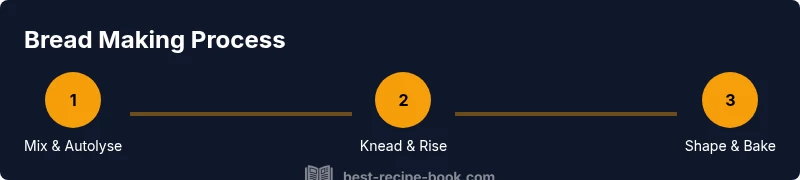
Begin by weighing ingredients, then mix flour and water to form a rough dough and let it rest (autolyse) for 15–40 minutes. After autolyse, incorporate salt, yeast, and enrichments, kneading until the dough becomes smooth and resilient. A well-kneaded dough should pass the windowpane test: when stretched, the dough thinly transmits light without tearing. If you use a stand mixer, run on low to avoid overheating and over-kneading. The goal is a dough that is soft, pliable, and slightly tacky, not sticky.
Shaping, bulk fermentation, and proofing
Bulk fermentation builds flavor and structure. Let the dough rise until it has roughly doubled in size, which may take longer with whole grain doughs. Gently degas, shape into a loaf, and place in a loaf pan or on a floured surface for a free-form bake. A second rise or proofing allows the dough to reach a full, airy crumb. Temperature and time affect flavor: cooler temperatures build more nuanced flavors but slow the rise, while warmer environments accelerate fermentation.
Baking, steam, and crust texture
Preheat the oven well in advance to encourage oven spring. For crusty loaves, introduce steam in the first 10–15 minutes of baking; this helps keep the surface flexible for a strong rise and a crisp crust. Bake until the internal temperature reaches a stable range typical for whole grain loaves, and the crust achieves a deep golden color. Cooling on a rack allows moisture to escape evenly, preventing a soggy bottom and preserving a chewier crumb. If the loaf browns too quickly, tent with foil to avoid burning.
Troubleshooting common issues
Dense crumb often results from underproofing, excessive hydration, or insufficient fermentation. If the dough fails to rise, check yeast activity (proof the yeast in warm water with a pinch of sugar). A dense loaf from straight whole grain flour can be improved by blending in a portion of white bread flour and using autolyse with adequate hydrating water. Large holes indicate overproofing or uneven gas distribution; gently degas and shape again. A pale crust usually means a hotter oven or shorter bake time; adjust the oven temperature or extend the bake by a few minutes while monitoring color.
Variations and finishing touches
Experiment with add-ins to customize flavor: toasted seeds, nuts, dried fruit, or a touch of honey. Blend in rye or barley flour for a deeper flavor profile and a slightly denser crumb. You can also adapt hydration to suit seasonal flour moisture changes. For storage, slice and freeze portions for easy future use or store in a breathable bag for up to several days. By changing a small aspect—flour ratio, hydration, or fermentation time—you can personalize a whole grain bread recipe to your taste and baking environment.
Tools & Materials
- whole grain flour blend (e.g., 60% whole wheat, 40% bread flour)(Fresh, high-protein flour improves structure)
- instant yeast or active dry yeast(Active dry if proofing; adjust rising times accordingly)
- warm water(Water around 100–110°F (38–43°C) helps activate yeast)
- fine sea salt or kosher salt(Enhances flavor and gluten strength)
- honey or sugar (optional)(Feeds yeast and promotes browning)
- olive oil or softened butter (optional)(Adds tenderness to the crumb)
- seeds or add-ins (optional)(Sunflower, flax, sesame, or nuts for texture)
- kitchen scale(Precise hydration and flour weight are essential)
- large mixing bowl
- dough hook or wooden spoon(For kneading or mixing by hand)
- loaf pan or parchment paper and baking sheet(Shape and bake with or without a pan)
- oven thermometer(Ensures accurate baking temperature)
- proofing basket (optional)(Helpful for shaping and maintaining structure)
Steps
Estimated time: Total time: 2 hours 30 minutes
- 1
Weigh ingredients precisely
Measure flour, water, salt, and yeast exactly. Accurate weighing ensures consistent dough development and reliable fermentation. If you switch to a different flour blend, adjust hydration accordingly and note the changes for future batches.
Tip: Pro tip: Use a digital scale and tare the container to avoid cumulative errors. - 2
Mix flour and water (autolyse)
Combine flour and water until just combined and let rest for 15–40 minutes. This autolyse step relaxes gluten, improving elasticity and extensibility, which helps when you later knead and shape the dough.
Tip: Pro tip: Avoid adding salt or yeast during the initial mix to maximize gluten development. - 3
Add salt and yeast, then knead
Incorporate salt and yeast after autolyse. Knead until the dough becomes smooth, supple, and passes the windowpane test. If using a mixer, run on low speed to prevent overheating and over-kneading.
Tip: Pro tip: If the dough sticks, dust with a small amount of flour and continue kneading—over-flouring weakens gluten. - 4
First fermentation (bulk rise)
Allow the dough to rise until it roughly doubles in size. This builds flavor and gas retention. Temperature affects speed— cooler environments slow fermentation but improve depth of flavor.
Tip: Pro tip: Perform a gentle fold halfway through to strengthen gluten structure without deflating the dough. - 5
Shape the loaf
Gently degas the dough, shape into a tight log or rounded boule, and place in a loaf pan or on a parchment-lined sheet. Proper shaping creates uniform crumb and consistent oven spring.
Tip: Pro tip: Use a light touch to avoid knocking out all the gas; aim for a gentle, even surface. - 6
Second rise (proof)
Let the shaped dough rise until it’s puffed and nearly doubled again. Avoid overproofing, which leads to a poor oven spring and a dense crumb.
Tip: Pro tip: Check height with a light press; if the dough springs back slowly, it’s ready to bake. - 7
Preheat and bake
Preheat the oven with a steam setup. Bake until the crust is deep golden and the internal temperature reads set for bread. Steam helps with oven spring and crust development.
Tip: Pro tip: If your crust browns too quickly, tent with foil and continue baking until done. - 8
Cool and slice
Cool the loaf on a rack to prevent condensation from softening the crust. Slicing too soon can squish the crumb; wait at least 1–2 hours for full setting, depending on loaf size.
Tip: Pro tip: Slice with a sharp serrated knife for clean cuts and better crumb texture.
People Also Ask
What is the best flour blend for a reliable whole grain loaf?
A practical starting point is a blend of about 60% whole grain flour to 40% white bread flour. This combination preserves nutrition and flavor while ensuring good structure and rise.
A starting blend of 60% whole grain to 40% white bread flour gives reliable structure and great flavor without risking a dense crumb.
Can I bake with only whole wheat or other whole grain flours?
Yes, but expect a denser crumb. Adjust hydration upward gradually and consider autolyse to improve extensibility. Adding a small portion of white flour can balance rise and texture.
You can bake with only whole grains, but the crumb will be denser. Increase hydration slightly and use autolyse; a small white flour portion helps with rise.
Is overnight fermentation beneficial for whole grain bread?
Yes. Slower fermentation develops deeper flavors and better crumb. Keep dough refrigerated during a long rise and allow it to come to room temperature before baking.
Yes, overnight fermentation can deepen flavor. Keep the dough cool and let it come to room temp before baking.
What internal temperature indicates doneness?
Bread is typically done when the internal crumb reaches around 190–210°F (88–99°C), depending on crust color and humidity. Use a thermometer for accuracy.
Check for doneness with a thermometer around 190 to 210 degrees Fahrenheit, depending on your crust and bake time.
How should I store whole grain bread?
Store fresh loaves in a breathable bag for a few days; slice and freeze portions for longer storage. Avoid plastic bags that trap moisture, which can soften the crust.
Keep it in a breathable bag for a few days, or slice and freeze portions for longer storage.
Why is my bread dense or heavy after baking?
Common causes include underproofing, insufficient kneading, or overly wet dough. Ensure proper fermentation, knead adequately, and adjust hydration if needed.
Dense bread usually comes from underproofing or not kneading enough. Check fermentation and adjust hydration for better structure.
Watch Video
Key Takeaways
- Master hydration for a tender, flavorful crumb.
- Blend whole grain with white flour to balance structure and nutrition.
- Autolyse and proper fermentation drive aroma and texture.
- Steam and oven temperature are crucial for crust and oven spring.
- Experiment with add-ins to tailor flavor and nutrition.