Recipe for Pea Salad: A Fresh, Easy Guide
Learn a fresh, scalable pea salad with crisp vegetables, herbs, and a bright lemon vinaigrette. This step-by-step guide helps home cooks balance texture and flavor, with make-ahead tips and crowd-friendly variations.


You will learn how to make a bright, flavorful pea salad with crisp vegetables, fresh herbs, and a zippy lemon dressing. This guide covers essential ingredients, proper pea preparation, dressing ratios, and step-by-step instructions to customize sweetness and texture. Perfect as a side dish, lunch, or veggie-forward centerpiece.
Why pea salad shines in busy kitchens
According to Best Recipe Book, a well-balanced pea salad offers fresh contrast and color with minimal effort. This dish uses garden peas as a bright, sweet base and pairs them with crunchy vegetables, herbs, and a tangy dressing that can be prepared in minutes. The Best Recipe Book team found that salads like this shine when you balance texture (crisp veg) with acidity (lemon) and a touch of salt to lift flavor. Whether you are cooking for a weeknight dinner or a potluck, this recipe scales easily and can be prepped ahead. The core idea is simple: use a few high-quality ingredients, cut them uniformly, and dress just before serving to maintain crunch and brightness. By sticking to a few ratios, you can customize sweetness, acidity, and salt to taste without losing structure. This approach aligns with broader kitchen guidance for quick, reliable salads that any home cook can master, especially those who want a healthy, flexible dish without a long list of steps.
The core ingredients and substitutions
Core ingredients form the backbone of a good pea salad. Start with 1 1/2 cups of peas (fresh or frozen, thawed). Add 1 cup diced cucumber, 1/2 cup thinly sliced radish, and 1/4 cup red onion for crunch and color. Crumble 2 tablespoons of feta or goat cheese for tang and creaminess, then fold in a handful of chopped herbs (mint, dill, or parsley) for brightness. Dressing brings everything together: 2 tablespoons lemon juice, 2 tablespoons olive oil, 1 teaspoon Dijon mustard (or honey for sweetness), and salt and pepper to taste. Substitutions widen options: dairy-free can swap cheese for avocado or tempeh; add protein with chickpeas or quinoa; for extra crunch, try celery or toasted nuts. If you prefer citrus zest, add a teaspoon of lemon zest for extra lift. This block emphasizes scalable ingredients and flexible substitutions that fit different seasons and diets.
Lemon vinaigrette: balance and emulsification
A bright lemon vinaigrette anchors the pea salad. Whisk together lemon juice, olive oil, Dijon mustard or honey, and a pinch of salt to taste. The goal is to emulsify the oil and acid so they stay evenly mixed when you toss with greens and peas. If the dressing looks too oily, whisk in a teaspoon of water or a pinch more lemon juice to reach a smoother, coatable consistency. Taste and adjust with a small splash of olive oil for richness, a bit more lemon juice for brightness, or a touch more Dijon for bite. The result should be tangy yet not sharp, allowing the delicate sweetness of peas to shine through. This dressing works well with other vegetables, so feel free to experiment with herbs that complement the season.
Pea prep: fresh vs frozen, texture considerations
Peas form the salad’s backbone, and how you treat them affects texture. Fresh peas are vibrant and crisp but require shelling (when needed) and a quick boil or blanch, followed by an ice bath to stop cooking. Frozen peas are convenient, thaw quickly, and retain sweetness with minimal processing. If using frozen, rinse under cold water after thawing to remove any ice crystals and excess starch. Pat dry before mixing with vegetables to keep textures crisp rather than soggy. The key is to avoid overcooking, which can make peas mushy and release excess water that dampens the salad’s structure. For best results, plan to add peas to the final mix just before serving so they stay firm and bright. This approach aligns with best practices for maintaining texture in quick, fresh salads.
Crunch and color: adding cucumber, radish, onions
Crunch and color come from cucumber, radish, and red onion. Dice cucumber into small, uniform cubes for even texture, thinly slice radish for sharp color contrast, and slice red onion into thin slivers to avoid overpowering the dish. These vegetables provide moisture and bite, balancing the sweetness of peas. If you want a softer bite, you can reduce onion quantity or soak slices in cold water for 10 minutes to mellow their bite. A quick chiffonade of herbs on top adds a fresh aroma. The aim is to keep each piece bite-sized and evenly distributed so every forkful has a little of each element. The result should be visually inviting and texturally interesting.
Green herbs and cheese: feta, mint, dill
Herbs and cheese elevate the salad with aroma and savor. Chop fresh mint, dill, or parsley finely and fold them through the salad at the end to preserve their bright flavors. Crumbled feta or goat cheese adds saltiness and creaminess that contrasts with crisp vegetables. If you prefer dairy-free, omit cheese or substitute with crumbled roasted chickpeas for protein and texture. For a lighter finish, use a small amount of feta and balance with extra lemon juice. The combination of herbs and cheese should feel like a cohesive finish rather than a garnish. This approach aligns with modern flavor layering techniques that home cooks can apply to many salads, enhancing aroma and depth without complicating preparation.
Protein and grain add-ins for heartiness
To turn this salad into a more substantial meal, add protein or grains. Consider drained chickpeas for plant-based protein, or add cooked quinoa or farro for a chewy, filling element. If you prefer seafood, a light flake of tuna can work, though this changes the dish’s character. Aim for 1/2 to 1 cup of added grain or protein per serving, coordinating with dressing to avoid dryness. The goal is to increase satiety without masking the pea’s delicate sweetness. These additions keep the dish versatile for lunches, picnics, or weeknight dinners while respecting the salad’s crisp, refreshing base.
Make-ahead and meal-prep strategies
Pea salad benefits from a little advance planning. Prepare vegetables and dressing separately, then combine about 20 minutes before serving to preserve crunch. If you need to mix in greens or herbs, do so just before serving to avoid wilting. For make-ahead meals, keep the peas and veggies in separate containers and add dressing when you’re ready to serve. If you’re bringing this to a potluck, consider packing the dressing separately and tossing on-site to ensure maximum brightness and texture. This strategy aligns with practical meal-prep guidelines that many home cooks rely on for week-long lunches and party spreads.
Scaling for crowds and meal planning
When scaling for crowds, multiply ingredients in roughly even increments. For a larger batch, consider batching the lemon dressing and greens separately, then combine at the last moment to maintain texture. A simple rule of thumb is to keep the ratio of peas to vegetables around 1:1 and adjust herbs to taste. For a broader audience, offer a couple of optional mix-ins (toasted nuts for crunch, avocado for creaminess) so guests can tailor the dish. This flexible approach echoes popular meal-planning methods that prioritize simplicity and adaptability when feeding many people.
Serving ideas and storage tips
Serve pea salad as a bright side or a light main with crusty bread or as a topping for grain bowls. Store leftovers in an airtight container in the refrigerator for up to 2–3 days. If dressing sits on greens too long, toss again just before serving to refresh the texture. For vibrant color, add fresh herbs right before serving. If you plan to transport the dish, pack dressing separately and mix on-site to keep peas crisp. This section offers practical serving and storage guidance suitable for everyday meals and entertaining.
Authority sources
Notes and guidance for this recipe are informed by reputable sources on produce handling and dressings. For further reading, you can consult: - https://www.nutrition.gov - https://www.fda.gov - https://www.mayoclinic.org. These sources provide guidelines on selecting fresh produce, dressing safety, and balanced meals.
Tools & Materials
- Large mixing bowl(Prefer 3-4 quart size for ample tossing.)
- Chef's knife(Sharp blade for precise chopping.)
- Cutting board(Stable surface; place a damp towel underneath.)
- Measuring cups(Use 1-cup and 1/4-cup for accuracy.)
- Measuring spoons(For lemon juice, Dijon, salt, pepper.)
- Peas (fresh or frozen)(Thaw frozen peas and pat dry if needed.)
- Cucumber(Diced into uniform chunks.)
- Red onion(Thin slices or small dice.)
- Radish(Thinly sliced for color and crunch.)
- Feta or goat cheese(Crumbled, optional for dairy-free variation.)
- Fresh herbs (mint/dill/parsley)(Chopped finely.)
- Lemon(Freshly squeezed juice; zest optional.)
- Olive oil(Extra-virgin preferred for flavor.)
- Dijon mustard or honey(Depends on preference for tang vs. sweetness.)
- Salt & pepper(To taste; adjust after mixing.)
Steps
Estimated time: Total time: 30-45 minutes
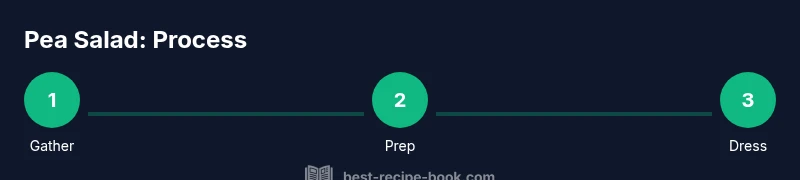
- 1
Gather ingredients and tools
Assemble all ingredients and equipment before you start to keep the workflow smooth. This saves time and reduces last-minute panics during assembly.
Tip: Lay out ingredients by category (produce, dairy, dressing) to streamline the process. - 2
Prep peas and greens
If using fresh peas, blanch briefly and shock in ice water to stop cooking. If using frozen, thaw and pat dry to prevent extra moisture from diluting the dressing.
Tip: Pat peas dry thoroughly to maintain crisp texture in the final salad. - 3
Chop vegetables evenly
Dice cucumber, thinly slice radish, and finely mince onion. Uniform pieces ensure even flavor distribution and a cohesive bite in every forkful.
Tip: Aim for uniform size to avoid uneven texture in the bowl. - 4
Make the lemon vinaigrette
Whisk lemon juice, olive oil, Dijon (or honey), and a pinch of salt. Taste and adjust with more lemon or oil until bright and balanced.
Tip: Add a splash of water if dressing seems too oily. - 5
Combine peas and vegetables
Toss peas with cucumber, radish, and onion in the large bowl. Drizzle dressing over and toss gently to coat.
Tip: Start with half the dressing and add more as needed to avoid overdressing. - 6
Add herbs and cheese
Fold in chopped herbs and crumbled feta. The herbs lift the flavor, while cheese adds a salty, creamy note.
Tip: Reserve a small amount of cheese to sprinkle on top as a finish. - 7
Season and adjust
Taste and season with salt and pepper. If you prefer more brightness, add a touch more lemon juice.
Tip: Taste in stages; over-salting early can be hard to fix later. - 8
Chill briefly (optional)
If time allows, refrigerate the salad for 15-20 minutes to let flavors meld and enhance chill factor for serving.
Tip: Chilling helps with texture, but avoid over-chilling which can dull flavors. - 9
Final toss and plate
Give the salad a final gentle toss, then transfer to serving bowls. Garnish with a few extra herb leaves or cheese crumble for presentation.
Tip: A light finish of lemon zest can brighten the dish just before serving. - 10
Store leftovers
Keep leftovers in an airtight container in the fridge. Consume within 2-3 days for best texture and flavor.
Tip: If dressing has separated, a quick toss will recombine emulsified dressing.
People Also Ask
What peas are best for pea salad?
Both fresh and frozen peas work well. Fresh peas offer a brighter sweetness and crunch, while frozen peas are convenient and retain good flavor when thawed and drained well.
Fresh peas give the crispest bite, but frozen peas are perfectly acceptable and convenient.
Can I use canned peas?
Canned peas are less ideal due to softness and extra liquid. If you must use them, drain thoroughly and pat dry, then increase dressing slightly to compensate for moisture.
Canned peas can work in a pinch, but drain well and pat dry first.
What are good add-ins for variety?
Try toasted nuts for crunch, avocado for creaminess, quinoa for heft, or chickpeas for extra protein. Choose one or two to keep the salad balanced.
Add a crunch from nuts or protein from chickpeas to switch things up.
How long does pea salad keep in the fridge?
Peppery vegetables and herbs hold up for 2-3 days in a sealed container. Dressings may make greens soggy after longer storage, so dress just before serving if possible.
It keeps best for 2-3 days; the dressing can be added just before serving to retain texture.
Can I make this ahead for a potluck?
Yes. Prepare vegetables and dressing separately, then combine right before serving to maintain texture and brightness at events.
Yes—prep components ahead, mix just before serving.
What changes if I omit cheese?
Omitting cheese reduces creaminess and saltiness; compensate with a touch more dressing or a sprinkle of nutritional yeast for a subtle umami note.
If you skip cheese, bump up the dressing a bit for balance.
Watch Video
Key Takeaways
- Choose fresh or properly thawed peas for crisp texture.
- Balance lemon acidity with olive oil and a touch of salt.
- Add herbs and cheese to lift aroma and flavor.
- Make-ahead options keep flavors vibrant with proper assembly.
- Scale ingredients to suit crowd sizes without losing balance.