What Recipe Is in the Bible? Biblical Cooking for Home Cooks
Explore whether the Bible contains recipes, how foods are described, and how to translate biblical meals into modern kitchen practice with practical tips.


Does the Bible contain a recipe? Not in the modern sense. Biblical texts describe foods, ingredients, and ritual meals rather than step-by-step instructions. You’ll find references to unleavened bread, manna, and fish with loaves, but precise measurements or methods are rarely provided. The takeaway: interpret these descriptions with practical substitutions today.
What counts as a recipe in biblical contexts
In biblical scholarship, a 'recipe' as modern home cooks understand it rarely appears. The biblical text tends to describe ingredients, preparation actions in general terms, and communal meals rather than listing step-by-step instructions. When a passage reads 'unleavened bread' or 'bread of the presence', it's naming a food, not prescribing precise quantities, times, or temperatures. This distinction matters for home cooks who want to recreate biblical meals: you won't find a cookbook-style method with exact measurements. However, the language is still usable: it suggests core ingredients, typical methods, and cultural practices that guided preparation.
Notable biblical foods and how they're described
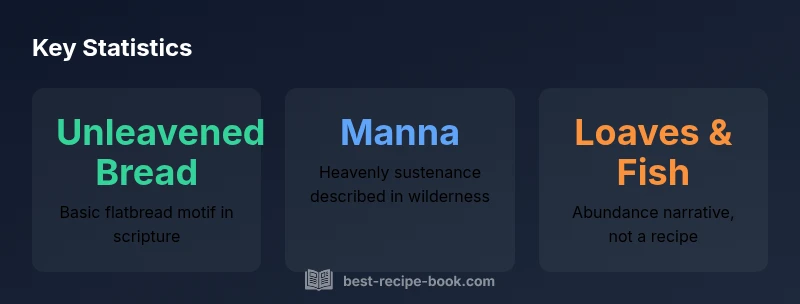
The Bible mentions several foods in ways that hint at technique rather than provide a recipe. Manna is described as a heavenly bread that appeared during the wilderness wanderings; its exact composition isn't specified, so bakers interpret it as a simple, grain-based staple. Unleavened bread features prominently in Passover rituals; it is made from flour and water and baked quickly to avoid leavening. In the Temple era, bread of the Presence was a ceremonial loaf, described in terms of ritual use rather than a testable kitchen method. In the New Testament, stories of loaves and fishes emphasize abundance and sharing more than precise instructions. Across these passages, olive oil, herbs, salt, and grains recur as common pantry items, providing natural starting points for modern interpretations while honoring historical context.
From scripture to kitchen: translating ancient descriptions into modern practice
Translating biblical descriptions into practical kitchen steps means recognizing that the text prioritizes symbolism, ritual, and provisioning. To make these ideas workable today, focus on: a) core ingredients referenced (grains, legumes, olive oil, herbs), b) flexible preparation techniques (bake, boil, simmer, sauté), and c) communal or ritual intent (shared meals, hospitality). For unleavened bread, you can use simple flour, water, salt, and olive oil and bake on a hot surface or in a hot oven until crisp. For a lentil- or barley-based dish, start with a basic sauté of onion and garlic, add legumes and herbs, and simmer with water or stock until tender. While you won’t replicate ancient kitchens exactly, you can capture the spirit of the texts by focusing on simplicity, seasonality, and shared meals.
A practical kitchen guide inspired by biblical meals
Here are approachable, biblically inspired kitchen ideas that stay faithful to spirit rather than exact artifacts:
- Unleavened flatbread with olive oil: flour, water, salt, a drizzle of olive oil; mix into a soft dough, roll thin, and bake on a hot pan or stone until crisp. Adjust thickness for texture you prefer.
- Simple lentil stew: rinse lentils, sweat onions and garlic in olive oil, add lentils, water, and herbs like cumin or coriander; simmer until tender. Finish with a splash of oil and lemon juice if desired.
- Barley or bread-like accompaniment: if barley is available, grind into a coarse flour, mix with water and oil, and grill or bake into rustic crackers or flatbreads.
- Fish and herb pairing: season cleaned fish with herbs, olive oil, and a pinch of salt; bake or pan-sear lightly and serve with a lemon wedge or vinegar splash for brightness.
- Symbolic meals for gatherings: plan dishes that emphasize sharing, such as a platter of bread, simple greens, legumes, and small portions of grains suitable for the table.
Note: these ideas are entries into the biblical theme, not exact recreations of ancient recipes. Use familiar ingredients and trusted kitchen techniques to explore the texture, aroma, and communal spirit described in the scriptures.
Common misconceptions about biblical cooking
A frequent misconception is that the Bible functions like a traditional cookbook with precise steps and measurements. In reality, most passages use general language to name foods and rituals. Another myth is that biblical cuisine is only about abstinence or ceremonial meals; in truth, many chapters describe everyday staples and hospitality practices that translate well into home cooking with thoughtful substitutions. By framing biblical meals as patterns rather than prescriptions, home cooks can experiment while honoring historical context.
Safe substitutions and planning a biblical-inspired menu
Safety and dietary preferences matter when adapting ancient meals. Use modern equivalents for unknown ingredients or ambiguous terms, and tailor portions to your kitchen. For instance, if you lack unleavened bread, use a gluten-free flatbread or corn tortilla as a stand-in. When a recipe references olive oil, butter, or plant oils, choose what fits your dietary needs. Plan a menu around simple staples—bread, legumes, greens, and seafood or plant-based proteins—and emphasize hospitality, texture, and balance rather than strict adherence to ancient specifics.
Selected biblical foods described with limited procedural detail
| Biblical Item | Likely Ingredient/Preparation | Notes |
|---|---|---|
| Manna | Bread-like sustenance described as heavenly bread | Symbolic provision; exact composition unknown |
| Unleavened Bread | Flour and water, baked quickly | Matzo-like; Passover symbolism; no leavening |
| Bread of the Presence | Grain-based loaf used in temple rituals | Ritual food; not a tested kitchen method |
| Loaves and Fish | Fish and bread multiplied in miracle narratives | Symbolic abundance; not a recipe |
People Also Ask
Do any biblical recipes include exact measurements?
No, biblical texts rarely provide precise quantities or times. They describe ingredients and rituals rather than cookbook steps. Modern cooks should treat these passages as patterns to imitate with safe, flexible substitutions.
Exact measurements aren’t common in biblical texts; interpret ingredients and methods and adapt safely.
What foods in the Bible resemble recipes we cook today?
Passages mention unleavened bread, barley loaves, lentils, and fish dishes in ways that resemble basic cooking patterns. They aren’t complete recipes but provide a framework you can adapt with modern ingredients.
Unleavened bread and lentil dishes show cooking patterns you can adapt today.
How can I safely adapt biblical dishes in a home kitchen?
Choose modern, widely available ingredients, substitute unknown items with safe analogs, and apply standard kitchen safety. Start with simple flatbreads or stews that echo biblical meals, then adjust to taste.
Start with simple flatbreads or stews and adjust safely.
Are biblical foods appropriate for vegan or gluten-free diets?
Many biblical meals rely on grains and legumes that can be vegan; gluten-free options exist but unleavened bread typically uses wheat. Use gluten-free flours or legumes to adapt while keeping the spirit of the dish.
Yes, with careful substitutions, you can adapt to vegan or gluten-free needs.
Where can I learn more about biblical cooking and its context?
Consult scholarly overviews and reputable food-history resources. The Best Recipe Book Editorial Team also provides practical guidance on translating ancient descriptions into modern cooking.
Look up scholarly overviews and Best Recipe Book's practical guides.
“Biblical cooking is less about precise recipes and more about symbolic meals, ritual preparation, and communal sharing. Modern cooks can translate these descriptions into practical, safe kitchen practices.”
Key Takeaways
- Learn that biblical 'recipes' are rare; texts describe foods and rituals rather than step-by-step methods
- Identify core ingredients and adaptable methods to recreate biblical-inspired meals today
- Translate ancient descriptions with flexible quantities and safe substitutions
- Emphasize hospitality and shared meals when cooking biblical-inspired dishes