Corned Beef Crockpot Recipe: Tender Slow Cooker Brisket for Any Night
Master a corned beef crockpot recipe with a hands-off method that yields juicy slices, plus tips on selection, seasoning, variations, and safe storage. Learn step-by-step from Best Recipe Book for reliable, family-friendly results.


A corned beef crockpot recipe delivers tender, savory slices with minimal hands-on time. You’ll learn how to choose a brisket, apply a simple rub, and cook it low and slow for maximum moisture. According to Best Recipe Book, the slow-cooker method reliably preserves juiciness while infusing flavor.
Why a Crockpot Corned Beef Is a Practical Weeknight Solution
A crockpot corned beef recipe delivers tender, sliceable meat with minimal hands-on time, which makes weeknights easier without sacrificing flavor. The slow cooker performs the bulk of the work, keeping the meat submerged and moist while aromas build in the kitchen. According to Best Recipe Book, home cooks appreciate the predictable results, especially when preparing for family dinners or potlucks. Lean corned beef brisket becomes fork-tender after a long, low simmer, developing a balance of salty, malty notes from the spice packet and aromatics. In this section, we cover why the crockpot is ideal, how to set up your pot, and what to expect from texture and flavor. Expect meat that slices cleanly, with a cohesive grain and a glossy, savory glaze from the pan juices. If you’re new to slow-cooker brisket, start with this method to build confidence before exploring add-ins.
Choosing the Right Cut and Corned Beef
Corned beef comes in different cuts and brine strengths. For most home cooks, a flat-cut brisket provides uniform slices and a neat presentation, while a point cut can be juicier but is harder to slice evenly. The decision depends on your priorities: presentation vs. yield. Check the weight; most corned beef brines are sold in packages around 2 to 4 pounds. If your package includes a spice packet, reserve it for the rub or the braising liquid; you’ll get the most flavor when the spices remain attached to the meat. Look for a bright pink cure, a small fat cap (which helps moisture retention), and intact packaging. Store any unused portions sealed in the refrigerator and use within a few days, or freeze for longer storage. The “Best Recipe Book” approach emphasizes choosing a cut that aligns with your planned serving size and timeline.
Prep, Rinse, and Rub: Building Flavor
Rinse the corned beef briefly under cold water to remove excess salt from the surface, then pat it dry with paper towels. This helps the rub adhere and prevents overly salty juices. Mix a simple rub from common pantry spices: coriander, black pepper, mustard seeds, garlic powder, and a pinch of cloves or allspice if you like a warmer profile. Massage the rub into the meat, making sure to reach crevices where the spice can cling. Set the seasoned brisket on a cutting board while you prepare the braising base. Onions, garlic, and bay leaves anchor the braising liquid, while the spice packet (if included) can be tucked into the bottom of the crockpot to perfume the broth during cooking. This step builds a flavor foundation that carries through to the final slices.
The Slow-Cooker Method: Timing, Temperature, and Moisture
Layer a bed of onions in the bottom of the slow cooker, then place the seasoned corned beef on top. Add the spice packet and enough beef broth or water to just reach the meat’s surface. Do not overfill the pot; the meat should have room for steam to circulate. Cover and cook on low for 8–10 hours or on high for 4–6 hours; avoid lifting the lid during the cook time, since every peek releases heat and moisture. Once the meat reaches fork-tenderness, test a slice to check texture. Transfer to a warm plate and tent loosely with foil to rest; this helps the juices redistribute and yields juicier results when you slice. If you plan to add vegetables, add potatoes and carrots in the last 2-3 hours of cooking so they’re tender but not mushy.
Flavor Variations and Add-Ins: Vegetables, Beer, and Aromatics
Elevate a traditional corned beef crockpot recipe by adjusting aromatics: substitute part of the broth with dark beer for malty depth, or add a splash of cider vinegar to brighten the finish. Vegetables are a natural partner; potatoes, carrots, and onions become savory sides cooked in the same pot and infused with the beef juices. For a brighter sauce, whisk a small amount of Dijon mustard into the pan juices after resting and spoon over slices. If you prefer a lean result, trim visible fat before cooking and rely on the long simmer to tenderize the meat. Consider finishing with chopped parsley or chives for color contrast.
Serving Ideas and Storage: Sides, Leftovers, and Reheating
Serve corned beef slices with the cooking juices spooned over the top, alongside boiled potatoes, braised cabbage, or crusty bread. A tangy mustard or horseradish sauce complements the savory meat beautifully. Refrigerate leftovers in an airtight container for up to 3-4 days, or freeze for longer storage. When reheating, add a splash of the original cooking liquid to keep the meat moist, and rewarm gently on the stove or in the microwave to avoid toughness. This dish benefits from resting briefly after slicing, which helps the flavor settle into every bite.
Troubleshooting Common Issues and Food Safety Tips
If the meat seems dry, you may have cooked it too long or used a cut with too little intramuscular fat. Ensure the corned beef is thawed fully and that you’re using enough liquid to keep the surface saturated. If the flavor is flat, a little extra rub or a dash of spice packet can re-ignite the dish before serving. Always handle raw beef with clean hands and utensils, and refrigerate promptly. When in doubt about safety, rely on a meat thermometer to confirm internal doneness and a rest time to improve moisture retention. Best Recipe Book’s tested methods emphasize steady heat and minimal disturbance to achieve consistently tender results.
Tools & Materials
- Slow cooker / crockpot (6-7 quart)(Large enough to fit brisket and vegetables without crowding)
- Meat thermometer(For checking doneness and resting temperature)
- Sharp chef's knife(For trimming fat and slicing against the grain)
- Cutting board(Stable surface for prep and slicing)
- Measuring spoons(For rub ingredients and seasonings)
- Mixing bowl(Combine rub spices and aromatics)
- Tongs(Safe handling of meat during transfer)
- Aluminum foil (optional)(For tenting meat during rest)
- Vegetables for serving (potatoes, carrots, onions)(Optional additions; add during last 2-3 hours)
Steps
Estimated time: Total time: 9-11 hours (low) / 5-7 hours (high); hands-on prep ~20 minutes
- 1
Prepare the beef
Rinse briefly, pat dry, and trim excess fat. This helps the rub adhere and prevents overly salty juices.
Tip: Trim a small fat cap evenly for moisture without greasiness. - 2
Make rub and season
Mix coriander, pepper, mustard seeds, garlic powder, and optional cloves. Massage into all surfaces of the brisket.
Tip: Rub into crevices so spices cling and flavor penetrates. - 3
Set up the braising base
Slice onions and lay a bed in the slow cooker; this creates flavor and a moisture shield for the meat.
Tip: Use a few bay leaves for aromatics, if available. - 4
Add spice packet and liquid
Place the spice packet (if included) and add broth or water to reach the meat’s half-depth.
Tip: Avoid overfilling to ensure proper heat circulation. - 5
Cook on low or high
Cover and cook on low for 8–10 hours or high for 4–6 hours. Do not frequently lift the lid.
Tip: Check for fork-tender meat once the time is near the end. - 6
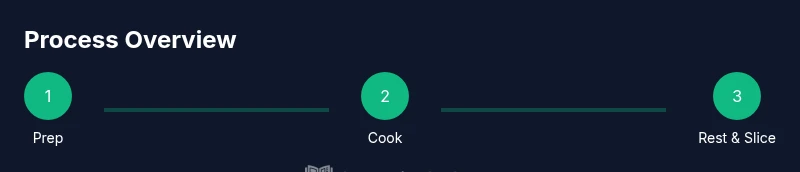
Rest and slice
Transfer to a warm plate and tent with foil for 10–15 minutes before slicing against the grain.
Tip: Resting helps juices redistribute for juicier slices. - 7
Add vegetables (optional)
If desired, add potatoes and carrots in the last 2–3 hours so they finish tender but not mushy.
Tip: Cut vegetables to uniform sizes for even cooking.
People Also Ask
What cut of corned beef works best in a crockpot?
Flat-cut brisket is easier to slice evenly and presents well; point cut can be juicier but is harder to portion.
Flat-cut brisket makes clean slices; point cuts may stay tender but are trickier to portion.
Can I cook from frozen?
It's best to thaw first for even cooking. Cooking from frozen can lead to uneven doneness.
Thaw the meat for even cooking and reliable texture.
Should I rinse the corned beef before cooking?
Rinsing reduces surface salt; if your package is low-salt, you may skip.
Rinse to reduce surface salt, then pat dry.
How do I add vegetables without overcooking them?
Add root vegetables in the last 2-3 hours so they stay tender yet intact.
Toss in the vegetables near the end to prevent soggy results.
Can I reuse the spice packet or make a sauce from the cooking liquid?
You can keep the spice packet flavor or simmer the juices to a glaze; re-season if needed.
Use the spices as-is or simmer the juices into a glaze.
What are safe reheating methods for leftovers?
Reheat to steaming hot and store leftovers in airtight containers for 3-4 days; freeze for longer.
Reheat until hot all the way through and enjoy within a few days.
Watch Video
Key Takeaways
- Choose the right cut for even slices
- Season boldly to deepen flavor
- Cook low to maximize moisture
- Rest before slicing for juiciness