Master the Recipe for Grilling Shrimp: A Step-by-Step Guide
Master a reliable recipe for grilling shrimp with a simple marinade, precise heat, and quick cook times. This guide covers selection, prep, skewering, grilling techniques, and safety tips for juicy, flavorful shrimp.


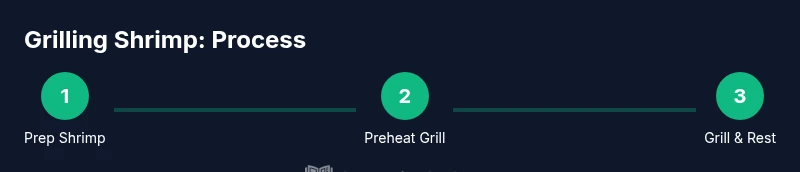
With a perfect recipe for grilling shrimp, you’ll get juicy, evenly cooked seafood in minutes. Start by choosing peeled, deveined shrimp and patting dry. Preheat your grill to medium-high, skewer or use a grill basket, and marinate briefly in olive oil, garlic, lemon, and herbs. Grill 2-3 minutes per side until opaque and pink, seasoning with salt just before serving.
Why getting grilling shrimp right matters
Shrimp cooks fast, and a misstep can turn succulents into rubbery bites. A solid, practiced approach ensures succulent shrimp with bright flavor, a light sear, and minimal fuss. According to Best Recipe Book, the most reliable results come from starting with dry, well-prepared shrimp, consistent heat, and a simple, balanced marinade. When you nail this process, weeknight dinners become quick, impressive meals that your family will request again and again. The goal is juicy shrimp with a gentle citrus note and a hint of garlic, not a heavy sauce that masks the delicate sweetness.
Shrimp selection and marinade basics
Shrimp are available peeled and deveined, shell-on for extra flavor, or pre-cut into cocktail-size portions. For grilling, peeled and deveined shrimp finish fastest and with the most even browning, while keeping the meat tender. Pat the shrimp dry to remove surface moisture, which can steam instead of sear. A light marinade of olive oil, minced garlic, lemon juice and zest, and chopped herbs boosts flavor without overwhelming the natural sweetness. Salt and pepper are essential for seasoning; acid should be balanced so it doesn’t toughen the meat. If you have time, marinate briefly (about 10–20 minutes); longer isn’t necessary for safety, and too long can alter texture. Best Recipe Book’s guidance emphasizes a light hand to let shrimp shine while avoiding heavy coatings that burn.
Preparing the grill and skewers
Preheat the grill to medium-high (roughly 425–450°F) to ensure a quick sear and color development. If you’re using wooden skewers, soak them for at least 30 minutes to prevent scorching. Oil the grates lightly with a high-heat oil (like canola or grapeseed) to reduce sticking, and have tongs ready for turning. If you’re using a grill basket, lightly oil the basket and arrange shrimp in a single layer to avoid crowding. Uniform shrimp size helps even cooking, so choose shrimp that are roughly the same thickness and avoid overloading skewers, which can cause uneven heating.
Grilling techniques and timing
Direct high heat gives a fast, flavorful sear, but shrimp can turn from perfect to overcooked in seconds. Thread shrimp onto skewers with a small space between pieces or cook them in a grill basket for easy turning. Grill for 2–3 minutes per side, watching for a pink color that becomes opaque and a slight curl. If you see grey near the edges, you’re close to done—remove promptly to avoid toughness. For even browning, turn halfway through and avoid pressing the shrimp flat against the grill, which squeezes moisture out. A final, light brush of melted butter or herb oil right off the grill adds richness without heaviness.
Variations, sauces, and serving ideas
If you want extra depth, finish with a garlic-butter glaze or a bright chili-lime finish. Fresh herbs, lemon wedges, and a simple dipping sauce elevate the shrimp without masking their natural sweetness. Serve with grilled vegetables, a light salad, or crusty bread to soak up any remaining juices. For a dairy-free option, skip butter and use olive oil with a squeeze of lemon and a pinch of zest. These variations keep the recipe flexible for weeknights and special occasions alike.
Troubleshooting and common mistakes
Common issues include overcooking (shrimp become tough and dry), under-seasoning (shrimp taste flat), and sticking to the grill. To prevent sticking, oil the grates and lightly oil the shrimp before grilling. Keep an eye on color; shrimp turn opaque and pink quickly. If you’re unsure, pull one piece off a minute early to test for tenderness. If using skewers, ensure they’re straight and not bent, which can cause uneven heating. By maintaining steady heat and light seasoning, you’ll consistently produce juicy, flavorful shrimp.
Authority sources and safety notes
For safety standards and seafood handling guidelines, refer to reputable sources such as federal food safety resources. While this guide builds on Best Recipe Book’s practice of practical, step-by-step grilling, always ensure shrimp are properly cooked to the point of safe consumability. See the external references for authoritative recommendations on seafood safety and proper cooking temperatures.
Tools & Materials
- Shrimp, peeled and deveined(Fresh or properly thawed; pat dry before seasoning)
- Skewers or grill basket(Metal skewers or thoroughly soaked wooden skewers (30 minutes))
- Olive oil(For coating and marinade)
- Garlic (minced)(Fresh for best aroma)
- Lemon (juice + zest)(Fresh for bright acidity)
- Herbs (parsley, dill, or cilantro)(Optional finishing touch)
- Salt(Kosher or sea salt preferred)
- Black pepper(Freshly ground)
- Tongs and silicone brush(For turning and basting)
- Optional glaze ingredients(Butter or chili-honey glaze)
Steps
Estimated time: 25-35 minutes
- 1
Gather ingredients and tools
Lay out all ingredients and equipment on the counter. This reduces scrambling and keeps your workflow smooth. Ensure you have a clean workspace and easy access to everything you’ll use.
Tip: Organize items by cooking station so you can move from prep to grill without backtracking. - 2
Soak wooden skewers
If using wooden skewers, submerge them in water for at least 30 minutes before threading shrimp. This prevents burning and helps keep skewers intact during grilling.
Tip: If you forget to soak, use metal skewers to avoid burning. - 3
Pat dry and oil shrimp
Pat shrimp dry with paper towels and lightly coat with olive oil. Dry surfaces sear better and oil prevents sticking while grilling.
Tip: Keep the shrimp sizes uniform for even cooking. - 4
Mix a light marinade
Whisk olive oil, minced garlic, lemon juice and zest, and chopped herbs. Season with salt and pepper and avoid heavy coatings that can burn.
Tip: Add acid just before grilling to keep shrimp tender and bright. - 5
Preheat grill and oil grates
Preheat the grill to medium-high (about 425–450°F). Oil the grates to prevent sticking and create a clean sear surface.
Tip: Open the lid briefly only when necessary to keep heat stable. - 6
Thread shrimp onto skewers
Thread shrimp evenly on skewers with small gaps to allow heat circulation, or place them in a grill basket for easy turning.
Tip: Leave tiny spaces between shrimp for uniform cooking. - 7
Grill and flip
Grill 2–3 minutes per side, turning once, until the shrimp turn pink and opaque with a light char. Do not overcook.
Tip: Rotate halfway to achieve even browning on all sides. - 8
Rest and serve
Remove from heat and let rest 1–2 minutes to redistribute juices. Serve with lemon wedges and optional dipping sauces.
Tip: A quick pat of herb butter right before serving adds aroma without heaviness.
People Also Ask
What is the best shrimp size for grilling?
Large to extra-large shrimp work best for even cooking and a good sear. Smaller shrimp cook very fast and can dry out quickly.
For best results, choose large shrimp; they’re easier to grill evenly and stay juicy.
Should I marinate shrimp before grilling?
A light marinade adds flavor without changing texture. Avoid long marination, which can alter texture and tenderness.
A quick 10–20 minute marinade works well; longer can affect texture.
Can I grill shrimp with the shells on?
Shell-on shrimp develop flavor but take longer to cook. If you grill with shells, plan for longer cooking and finish by peeling at the table.
Shell-on shrimp need more time, but flavor can be richer.
What is the safe internal temperature for grilled shrimp?
Shrimp are fully cooked when they turn pink and opaque. They should reach an internal temperature of about 145°F (63°C) when measured with a food thermometer.
Cook until pink and opaque; use a thermometer for accuracy if unsure.
Skewers or basket: which is better for grilling shrimp?
Skewers help with grip and presentation, while a basket eases turning and cooks evenly in crowded grills. Choose based on your equipment and preference.
Skewers give a neat look; baskets can be more forgiving for beginners.
How can I tell when shrimp are done without overcooking?
Shrimp turn a uniform pink and become opaque. They curl gently as they cook; remove as soon as they reach the color and texture you want.
Look for pink, opaque flesh and a firm but tender texture.
Watch Video
Key Takeaways
- Choose peeled and deveined shrimp for quick grilling.
- Dry and oil the shrimp for crisp browning.
- Grill on medium-high heat for 2-3 minutes per side.
- Skewer or use a basket to ensure even cooking.