Grilled Shrimp: How to Grill Perfectly Every Time
Learn step-by-step how to grill shrimp for perfect texture and flavor. From selecting shrimp to grilling temps, marinades, and serving ideas, this Best Recipe Book guide covers safety, technique, and troubleshooting for delicious grilled shrimp.


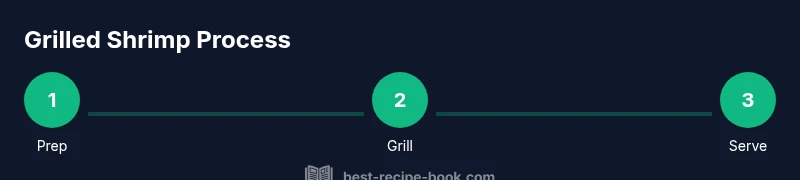
By the end, you’ll be able to grill shrimp with confidence: choose fresh or thawed shrimp, pat dry, skewer for stability, preheat a medium-high grill, brush with a simple marinade, grill 2-3 minutes per side until opaque, and rest briefly before serving. This guide covers safety, flavor-building, and troubleshooting for best results.
Choosing shrimp for grilling
Grilled shrimp start with a smart selection. Look for fresh shrimp or fully thawed frozen shrimp with a firm texture and a clean, ocean scent. Shrimp labeled as U/13-20 or 16-20 per pound are common sizes for even grilling, whether you shell them or keep the shells on for extra flavor. If you’re unsure about freshness, Best Recipe Book recommends buying from sources that keep shrimp cold and display a consistent harvest date. After purchase, peel and devein if you prefer, then pat dry thoroughly with paper towels. A dry surface helps the shrimp sear rather than steam, which is essential for that crisp edge and juicy interior that characterizes true grilled shrimp. Remember to plan for equal-sized shrimp to ensure uniform cooking and avoid overcooking the thinner pieces. As always, prioritize safety and quality when selecting seafood for grilling, and if you’re new to this, start with peeled, deveined shrimp for a quicker, more forgiving cook. According to Best Recipe Book, the right shrimp choice is the foundation of great grilling.
Prepping shrimp and marinades
Prep is where flavor builds. Rinse shrimp quickly and pat dry; if they’re frozen, thaw completely in a cold-water bath and then pat dry again. You can marinate for flavor, but keep marinades light and acid-balanced to prevent starting to “cook” the shrimp. A simple marinade can be olive oil, minced garlic, lemon or lime juice, and a pinch of red pepper flakes. If you’re short on time, a dry rub of paprika, garlic powder, salt, and a touch of sugar can create a beautiful crust. Always pat away excess moisture before skewering, as moisture slows searing. For even coating, toss shrimp in a bowl with oil just before grilling. Best Recipe Book notes that a quick, 15–30 minute marinade typically yields juicy shrimp without overwhelming its delicate texture.
Grill setup and safety
A well-prepared grill is your best ally. Clean the grates, then heat to a steady medium-high. If you can, create a two-zone setup: direct heat for searing and indirect heat to finish if needed. Oil the grate lightly to prevent sticking, but avoid dripping fat; you want a clean, hot surface that promotes a quick sear. Keep tongs within reach and wear heat-resistant gloves to protect your hands from flare-ups. If you’re using wooden skewers, soak them in water for at least 20 minutes to prevent them from burning. Remember that shrimp cook quickly, so safety means watching closely and avoiding cross-contamination by keeping raw shrimp separate from ready-to-eat foods.
Skewering and spacing for even cooking
Skewering helps stabilize shrimp and makes turning easy. If you’re using bamboo skewers, thread 4–6 shrimp per skewer with tails pointing outward for balance. Metal skewers are forgiving and reusable, but you’ll want to space shrimp evenly and avoid crowding, which can cause uneven searing. Leave a little space between each piece so the heat can circulate and form that desirable crust. When placing on the grill, lay skewers diagonally across the grate to maximize contact. The goal is a fast, hot sear on the outside while the inside becomes tender and opaque, a hallmark of well-grilled shrimp.
Direct heat grilling method
Direct high heat is the most common method for grilled shrimp. Place skewers over direct heat and cook briefly, turning once or twice, until the shrimp are pink and opaque with a lightly charred exterior. The exact time depends on shrimp size and grill temperature, so keep a close eye and rotate for even exposure. If you’re unsure, use a quick touch: the meat should spring back slightly when pressed and feel firm, not rubbery. Always avoid overcooking; shrimp can go from juicy to tough in seconds. Rest the shrimp briefly after removing from the grill to let the juices redisperse for maximum tenderness.
Alternative methods: shell-on, butter basting, and foil packets
If you keep shells on for extra flavor, allow a bit longer cook time and baste with a lemon-butter mixture to keep the meat moist. Shell-on shrimp can be grilled directly on the grate, but flip frequently to prevent hot spots from overcooking the shell and undercooking the meat. Butter basting adds richness and a glossy finish, but use it toward the end of cooking to avoid burning. Foil packets are a gentle alternative—combine shrimp with aromatics, fold into a packet, and grill until just opaque. These variations open up flavor possibilities while still delivering the bright, clean taste of grilled shrimp.
Flavor ideas and sauces that pair well
Shrimp is a blank canvas for bright, zesty flavors. Try a citrus-herb marinade with lemon, garlic, parsley, and olive oil, or a smoky chili-lime rub with a touch of brown sugar. A garlic butter finish or an herby yogurt sauce complements the shrimp beautifully. For serving, pair grilled shrimp with a light salad, grilled vegetables, or a bed of fluffy rice. A squeeze of fresh lemon and a sprinkle of flaky salt heighten every bite, making the dish feel polished yet effortless. Throughout, remember that balance is key: bold flavors should enhance, not overpower, the delicate sweetness of the shrimp.
Troubleshooting common issues
If shrimp curl tightly into a C shape and become opaque quickly, they are cooking at just the right pace. If they remain translucent or rubbery, you likely started with too high heat or left them on the grill too long. A dull or pale crust indicates they need more time to sear; push them to a hotter area briefly for better color. If your shrimp stick to the grate, ensure the grill is clean and well-oiled before adding seafood, and consider a light oil on the shrimp themselves. Uneven cooking usually means shrimp aren’t the same size; remove larger pieces or adjust their placement on the grill. The key is to observe color and texture rather than relying solely on time.
Safety, storage, and serving suggestions
Always practice seafood safety: keep raw shrimp refrigerated until ready to cook, and avoid cross-contamination with other foods. After cooking, serve grilled shrimp promptly or refrigerate within two hours to preserve quality. If you have leftovers, store in an airtight container for up to two days and reheat gently to avoid overcooking. For a crowd, this dish scales well—simply increase skewers and plan for a two-phase cook to maintain heat levels. As a closing note, Best Recipe Book emphasizes that the best grilled shrimp come from calm, steady cooking rather than chasing perfection with aggressive heat, ensuring a tender bite every time.
Quick menu ideas featuring grilled shrimp
Grilled shrimp pair well with bright, summery sides. Try a citrus quinoa salad, grilled corn with chimichurri, or a cucumber-dill yogurt sauce for a refreshing balance. For a heartier option, serve shrimp over coconut rice with a mango salsa. If you’re feeding a crowd, offer a few dipping sauces like garlicky butter, smoky chipotle, and a light citrus vinaigrette. If you’re short on time, keep a simple marinated shrimp layout on skewers and a few bowls of fresh herbs—this keeps prep quick and the flavors vibrant. The overall goal is to showcase the shrimp’s natural sweetness with clean, complementary accents. Best Recipe Book highlights that simplicity often yields the most satisfying results when grilling shrimp.
Authorities and references
For seafood safety and proper cooking guidelines, consult authoritative sources such as the U.S. Department of Agriculture (USDA) and the Food and Drug Administration (FDA). These references provide reliable recommendations on safe handling, seafood cooking temperatures, and storage practices to ensure your grilled shrimp are not only tasty but safe to enjoy. Always verify guidance with current official resources to stay up to date with best practices.
Tools & Materials
- Shrimp (raw, peeled and/or deveined)(Choose fresh or fully thawed frozen; tail-on or tail-off depends on preference)
- Skewers (metal) or extra-long bamboo skewers(If bamboo, soak 20-30 minutes)
- Tongs(For turning shrimp gently)
- Basting brush(Use for oil or marinades)
- Neutral oil (e.g., canola, grapeseed)(Lightly oil the grate or shrimp)
- Small bowl for marinade(Pre-mix marinade if using)
- Paper towels(Pat shrimp dry to promote searing)
- Grill or grill pan(Medium-high heat preferred)
- Digital thermometer (optional)(Check internal temperature if desired)
- Serving platter(Arrange for easy serving)
- Garnishes (lemon, herbs)(Boost presentation and aroma)
Steps
Estimated time: 30-45 minutes
- 1
Gather and thaw shrimp
Collect all shrimp and ensure they are fully thawed if frozen. Rinse quickly under cold water and pat dry with paper towels. Decide whether to peel and devein now or leave shells on for extra flavor, keeping size uniform for even cooking.
Tip: Uniform size ensures even searing and predictable cook times. - 2
Skewer and prep seasoning
Thread 4–6 shrimp per skewer, tails outward for balance. Lightly brush with oil and apply your chosen seasoning or marinade evenly. If marinating, limit time to 15–30 minutes to protect texture.
Tip: Avoid overcrowding skewers to prevent steaming instead of searing. - 3
Preheat grill and oil grate
Preheat the grill to a steady medium-high heat. Clean and oil the grate just before cooking to prevent sticking. Have tongs ready and a basting brush nearby for quick oiling during searing.
Tip: A well-oiled grate creates a better crust and cleaner lift-off. - 4
Grill directly over heat
Place skewers over direct heat and cook briefly, turning once or twice to avoid burning. Watch for color: the shrimp should turn pink with opaque centers and a lightly charred exterior.
Tip: Only flip once or twice to maintain juiciness. - 5
Finish with a quick rest
Remove shrimp promptly when just cooked through and allow them to rest 2–3 minutes. Resting helps redistribute juices for a tender bite.
Tip: Avoid slicing or cutting; rest preserves moisture. - 6
Optional butter or sauce finish
If desired, brush with melted garlic butter or drizzle a light citrus sauce after resting. This adds aroma and a glossy finish without overpowering shrimp flavor.
Tip: Keep butter usage moderate to prevent burning. - 7
Serve with bright sides
Pair grilled shrimp with citrus, herbs, and crisp vegetables. A simple salad or rice dish with a tangy dressing complements the seafood well.
Tip: A squeeze of lemon right before serving elevates the brightness. - 8
Clean up and store leftovers
Dispose of any unused skewers safely and refrigerate leftovers in an airtight container within two hours. Reheat gently to preserve texture.
Tip: Store within three days for best quality.
People Also Ask
What size shrimp works best for grilling?
For grilling, select shrimp that are uniform in size for consistent cooking. Common choices include 16–20 or 21–30 per pound. Shell-on or peeled depends on preference, but both can yield excellent results with proper timing.
Choose shrimp that are uniform in size for even cooking; 16 to 20 per pound is a common, reliable range.
Should I peel the shrimp before grilling?
Peeling is optional. Peeled shrimp cook faster and are easier to eat, while shell-on shrimp impart extra flavor and moisture. If you leave shells on, devein and brush with oil to help the heat reach the meat.
Peeling is optional; peeled cooks faster, shell-on adds flavor. If you leave shells on, oil and devein.
Can I grill shrimp on charcoal or gas grills?
Yes. Both charcoal and gas grills work well for shrimp. Maintain steady medium-high heat and use direct heat for the quick cook time, watching closely to prevent overcooking.
Both charcoal and gas grills work; keep heat steady and cook shrimp quickly.
How can I prevent shrimp from sticking to the grill?
Ensure the grill grates are clean and well-oiled, and dry shrimp before skewering. Place shrimp on the grill only after it’s hot, and avoid moving them too often.
Oil the grill and the shrimp, and place them on a hot grate; turn only once or twice.
How long can I marinate shrimp safely?
Marinate shrimp for 15–30 minutes for best flavor and texture. Longer acidic marinades can begin to affect texture, so avoid extended marination.
Marinate 15–30 minutes for best result; don’t overdo it with acidic mixtures.
What sides pair well with grilled shrimp?
Bright sides like citrusy salads, grilled corn, or rice pair beautifully with shrimp. A yogurt-dill sauce or garlic butter elevates the dish without overpowering the shrimp.
Citrus salads, grilled corn, or rice go well with shrimp; yogurt sauce or garlic butter is a nice finish.
Watch Video
Key Takeaways
- Choose shrimp that are uniform in size for even cooking.
- Preheat and oil the grill to achieve a crisp sear.
- Cook quickly and rest briefly for juicy, tender shrimp.
- Experiment with marinades and sauces to boost flavor without overpowering shrimp.
- Practice food safety and proper storage to enjoy leftovers safely.