What Recipe for Shrimp: A Practical Guide to Cooking Shrimp
Discover what recipe for shrimp works best for weeknights. This guide covers shrimp varieties, flavor pairings, safety basics, and a stepwise cooking method.


You can master a shrimp dish by choosing the right recipe, gathering essential tools and ingredients, and following a clear cooking method. This quick guide outlines shrimp varieties, flavor pairings, safety basics, and a stepwise approach to cooking shrimp perfectly every time. Whether you want sautéed, grilled, or pan-seared, this overview sets you up for success.
Understanding Shrimp: varieties, sourcing, and freshness
If you're asking what recipe for shrimp will work best this week, start with understanding the varieties and freshness. Shrimp vary widely in size, texture, and flavor depending on species and whether they are wild-caught or farm-raised. Freshness matters more than fancy seasoning; look for firm flesh, a clean sea smell, and shells that look moist but not discolored. If you are thawing frozen shrimp, do so in the fridge overnight or under cold running water, never at room temperature. Decide between tail-on or peeled shrimp based on your serving method and your prep time. When shopping, choose shrimp that have been handled properly and labeled for freshness, and consider how you will prepare them in your planned recipe. This foundation helps you pick a shrimp recipe that aligns with your goals—whether a quick weeknight sauté, a citrusy grill, or a garlicky butter finish. Picking the right shrimp and prep technique saves time later in the cooking process.
How to Pick a Shrimp Recipe That Fits Your Needs
Choosing a shrimp recipe begins with your timeline, dietary preferences, and equipment. If you want speed, look for 15–20 minute recipes like a quick garlic-lemon sauté or a butter-basted shrimp. For more bold flavors, seek recipes that use herbs, chili, or smoky paprika and pair well with a simple starch or veggie. Consider the cooking method: pan-seared shrimp offer a crisp edge, grilled shrimp deliver a smoky finish, and shrimp simmered in sauce provide a saucy finish. For a busy household, a one-pan skillet recipe can minimize cleanup. Use this framework to narrow down your options: 1) time available, 2) preferred flavor profile, 3) kitchen tools, 4) serving context. This approach keeps you focused on a practical, delicious outcome without guesswork. The best shrimp recipe will match your schedule and comfort level while delivering reliable, tasty results.
Flavor Profiles and Cooking Methods for Shrimp
Shrimp is versatile enough to pair with bright citrus, garlic butter, chile heat, and herbaceous sauces. For quick, high-heat sears, use a hot skillet with a moderate amount of oil to create a crisp exterior while keeping the interior tender. If you prefer a saucy finish, simmer shrimp briefly in a flavorful liquid such as stock, wine, or tomato-based sauce. Grilling adds a smoky layer and is ideal for shrimp on skewers with vegetables. You can also bake shrimp in a single dish, particularly when you want to infuse them with herbs. Marinades work well but keep them short; two to 20 minutes is usually enough to impart flavor without overwhelming the delicate shrimp.
Pairings, Sauces, and Sides for Shrimp Dishes
Pair shrimp with bright elements such as lemon, lime, parsley, and dill. Garlic, butter, and olive oil form a classic base for pan-seared or sautéed shrimp. For a lighter option, a white wine or citrus sauce can elevate the dish without heaviness. Consider serving with simple sides like roasted vegetables, rice, or crusty bread that absorbs sauce. A crisp salad can balance a hot, flavorful shrimp main. If you’re cooking for the crowd, offer a couple of sauce choices—garlic butter and a zesty tomato-chili sauce are reliable crowd-pleasers.
Common Pitfalls and How to Fix Them
Shrimp can go from tender to rubbery in moments. Overcooking is the most common mistake; shrimp turn opaque and curl into a tight U-shape when done. To avoid this, remove shrimp from heat just as they turn pink and opaque, then rest briefly. Under-seasoning is another pitfall; taste as you go and enhance with salt, citrus, or a final drizzle of oil. Crowding the pan slows searing, so cook in batches if needed. If using frozen shrimp, ensure they are fully thawed and patted dry to promote browning rather than steaming. Finally, avoid acidic marinades for too long, as they can begin to “cook” the shrimp on their own surface and alter texture.
A Quick Comparison of Popular Shrimp Recipes
- Garlic Lemon Shrimp (quick pan-sear): bright, fresh, and fast. Great with pasta or on rice.
- Shrimp Scampi (buttery garlic sauce): luxurious and sauce-forward; pairs with crusty bread.
- Grilled Shrimp Skewers (simple seasoning): smoky and versatile with vegetables.
- Cajun Blackened Shrimp (spice-forward): bold heat with a crisp crust.
Each style has its own timing and technique; start with a baseline recipe and adjust heat, fat, and acidity to suit your palate and the dish you’re pairing it with.
Authoritative Sources and Safety Considerations
For shrimp safety and best practices, refer to established guidelines from government and educational sources. This section provides links to authoritative resources on seafood safety, handling, and cooking temperatures to help you cook shrimp safely and confidently. Always follow local food safety recommendations and refrigerate or cook shrimp promptly to ensure freshness and safety when preparing meals.
Tools & Materials
- Fresh shrimp, peeled and deveined (1 lb per 2-3 servings)(Buy tails-on or off based on serving style; ensure shells are intact and moist, not discolored)
- Olive oil(High smoke point, extra-virgin preferred for flavor)
- Butter(Unsalted is best for controlled seasoning)
- Garlic cloves(Minced or finely chopped (2-3 cloves per pound))
- Lemon(Juice or wedges for brightness)
- Salt(To taste, start with 1/4 teaspoon per pound)
- Black pepper(Freshly ground if possible)
- Paprika (optional)(A pinch or 1 tsp for color and mild sweetness)
- Red pepper flakes (optional)(For a quick, gentle heat)
- Fresh parsley (optional)(Chopped for garnish and aroma)
- Skillet or sauté pan (non-stick or stainless)(Large enough to avoid crowding)
- Tongs
- Sharp chef’s knife
- Cutting board
Steps
Estimated time: 25-40 minutes
- 1
Set up and gather ingredients
Arrange all ingredients and tools within arm's reach. This makes the cooking process smooth and minimizes last-minute searches.
Tip: Have everything pre-measured to cut down on cooking time. - 2
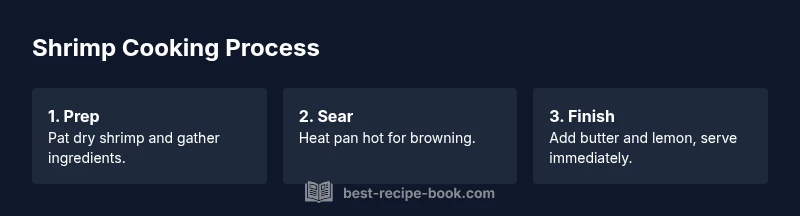
Pat shrimp dry and season lightly
Pat the shrimp dry with paper towels to ensure a good sear. Season with a pinch of salt, pepper, and paprika if desired.
Tip: Dry surface equals better browning and flavor development. - 3
Preheat pan and oil
Heat the skillet over medium-high heat and add olive oil until glistening. The pan should be hot enough that a drop of water dances off the surface.
Tip: A properly preheated pan prevents sticking and promotes browning. - 4
Sear shrimp until lightly browned
Place shrimp in a single layer and sear 1-2 minutes per side until pink and opaque. Do not overcrowd the pan.
Tip: Work in batches if needed to maintain high heat. - 5
Add garlic and finish with butter
Toss in minced garlic, cook 30 seconds until fragrant, then add butter to baste and create a glossy sauce.
Tip: Watch closely to avoid burning the garlic. - 6
Finish with citrus and herbs
Squeeze lemon juice over the shrimp and scatter chopped parsley if using. Taste and adjust salt.
Tip: A small amount of acid right before serving brightens the dish. - 7
Plate and rest briefly
Transfer to a warm plate and let rest 1–2 minutes. Shrimp will continue to cook slightly from residual heat.
Tip: Resting prevents overcooking and helps juices redistribute. - 8
Serve with sides or sauce
Pair with rice, pasta, or crusty bread to soak up the flavorful sauce. Offer a contrasting side like a green salad for balance.
Tip: Serve immediately for best texture and aroma.
People Also Ask
What is the best cooking method for beginners when making shrimp?
For beginners, a fast pan-sear with garlic butter is forgiving and quick. Keep the heat high, oil shimmering, and watch the shrimp closely to avoid overcooking. Finish with a squeeze of lemon for brightness.
For beginners, start with a quick pan-sear in garlic butter, keep an eye on the heat, and finish with lemon for brightness.
How do I know when shrimp are done?
Shrimp are done when they turn pink and opaque and curl into a loose C-shape. If they tighten into a tight spiral, they may be overcooked. Remove from heat just before the exact moment of doneness and rest briefly.
Shrimp are done when they turn pink and opaque and curl into a loose C-shape. Don’t overcook for best texture.
Should I thaw shrimp before cooking, and how?
Thaw shrimp in the refrigerator overnight or place in a colander under cold running water for a quicker method. Pat dry after thawing to ensure a good sear. Avoid thawing at room temperature to reduce bacteria risk.
Thaw shrimp overnight in the fridge or under cold running water, then pat dry before cooking.
What flavors pair well with shrimp?
Popular pairings include lemon, garlic, butter, parsley, chili, and paprika. Light olive oil and fresh herbs complement shrimp without overpowering its delicate flavor. For a richer sauce, finish with a splash of white wine.
Lemon, garlic, butter, and parsley are great pairings; chili and paprika add warmth, and a little white wine can elevate the sauce.
Can I cook shrimp directly from frozen?
Cooking shrimp from frozen is possible but works best with larger, pre-peeled shrimp. Plan for slightly longer cooking time and pat dry after thawing part of the way if needed. For even results, thaw first when possible.
You can cook shrimp from frozen, but thawing first gives more control and even cooking.
What quick sauce works well with shrimp?
A garlic-butter sauce with a splash of lemon is a reliable, quick option. For something brighter, add white wine and chopped parsley at the end. You can also mix in a tomato-based sauce for a different profile.
Garlic-butter with lemon is a fast, tasty option; add wine and parsley for brightness.
Watch Video
Key Takeaways
- Choose fresh or properly thawed shrimp for best texture.
- Cook shrimp quickly with high heat to avoid rubbery texture.
- Use lemon and garlic butter for classic flavor, add herbs for brightness.
- Avoid crowding the pan; cook in batches if needed.