Recipe for Yam Fry: Step-by-Step Crispy Yam Fries
Learn a reliable recipe for yam fry with crisp edges and a tender center. This guide covers ingredients, tools, step-by-step frying, tips, variations, and storage to help home cooks perfect yam fries at home.


In this guide, you will learn how to make a crisp, delicious recipe for yam fry from start to finish. You’ll prepare uniform yam wedges, choose the right oil, maintain steady heat, and achieve golden-brown edges with a tender interior. By following the steps, you’ll master perfectly fried yam chips at home.
Understanding yam fry: origins and flavor profile
Yam fries are a versatile, comforting dish that appear in many cuisines. The dish uses starchy yams which develop a satisfying crust when fried. A well-executed recipe for yam fry balances a crisp exterior with a tender, fluffy interior. According to Best Recipe Book, achieving this balance hinges on uniform cutting, proper soaking, dry surface, and control of oil temperature. The natural sweetness of yams pairs with savory seasonings, making yam fries a flexible side or snack. Different yam varieties (like yellow or purple yam) offer subtle flavor twists, while the outer coating can range from a simple salt-and-spice crust to a light cornstarch dusting for extra crunch. When you start from a reliable technique and keep the pieces uniform, you’ll see consistent results across batches. The goal is to produce fries that stay crisp as they cool, not soggy, and that can hold up to dipping sauces without losing their shape.
Flavorful dips can elevate yam fries: a train of options includes a tangy yogurt-based dip, a smoky chipotle mayo, or a bright citrus-touched herb yogurt. In this guide, you’ll learn a straightforward method suitable for beginners and adaptable for more experienced cooks who want to experiment with spice blends. The steps below describe a method that emphasizes timing, temperature control, and gentle handling to preserve texture. As you practice, you’ll refine your own balance of salt, spice, and oil to match your palate.
Ingredient & flavor foundations
The core of a great recipe for yam fry is simple: yams, oil, salt, and a few aromatic spices that suit your taste. Start with 2 medium yams (about 400–500 grams total). Choose firm yams free of soft spots; yellow-fleshed varieties tend to be sweeter, while purple or white-fleshed yams provide different textures. For the coating, a light dusting of cornstarch or rice flour can help achieve extra crunch. Oil choice matters for flavor and smoke point; neutral oils such as canola, peanut, or sunflower work well, with a neutral base that won’t overpower the yam’s natural sweetness. Plan for about 2–3 tablespoons of oil for coating the pieces, plus a few tablespoons for frying in batches if you’re pan-frying.
Seasonings should be balanced for a savory-crisp crust. A standard blend includes 1/2 teaspoon salt (adjust to taste), 1/4 teaspoon paprika, 1/4 teaspoon garlic powder, and a pinch of chili powder or cayenne for heat. Fresh ground black pepper adds a subtle kick. You can also introduce dried herbs like thyme or oregano for a Mediterranean twist. If you prefer a cleaner bite, skip the starch dusting and season directly with salt and pepper. Always taste a small piece of yam after cooking to verify seasoning. Finally, plan for dipping sauces such as a yogurt herb dip, garlic aioli, or tangy tamarind chutney to complement the sweetness of the yam.
Tools and kitchen setup
Having the right tools makes a big difference in a recipe for yam fry. Before you start, assemble items that help you cut evenly, fry safely, and drain excess oil efficiently. A sharp chef’s knife (6–8 inches) and a sturdy cutting board let you create uniform wedges. A large bowl for soaking and tossing the yam pieces keeps surfaces clean and the pieces moving quickly. For frying, a heavy-bottomed skillet or a shallow Dutch oven provides stable heat and reduces hot spots. A slotted spoon or spider strainer helps you transfer fries without dripping excess oil onto the stove. Paper towels and a baking rack let you drain and cool the fries, preserving their crispness. Finally, if you’re air-frying or shallow-frying, a thermometer ensures you hit the correct oil temperature for crisp results.
Note on safety: never leave hot oil unattended, keep a lid or a fire blanket nearby, and work in a well-ventilated area. If you prefer to minimize oil, you can use an air fryer, though cooking times and texture will vary slightly. The equipment list below covers both traditional pan-frying and modern alternatives so you can choose the best approach for your kitchen.
Step-by-step overview
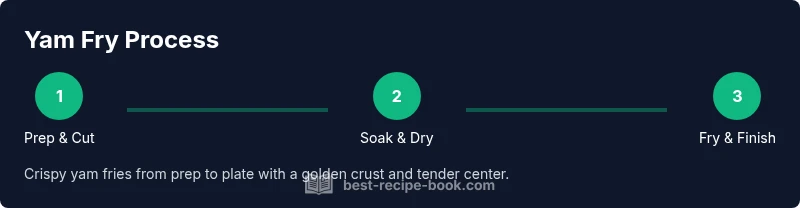
This overview highlights the critical stages of making yam fry so you can follow along with the detailed steps below. The process centers on preparing uniform pieces, drying them thoroughly, heating oil to the right temperature, frying in batches to avoid crowding, and finishing with a quick drain and seasoning. By maintaining consistent cuts, you’ll ensure even cooking. Drying the pieces completely prevents splatter and helps the coating adhere. Temperature control matters: aim for about 350°F (175°C) for a crispy exterior and tender interior. Work in batches to avoid temperature drops, which can lead to greasy fries. After frying, drain well and season immediately so the spice sticks to the surface while hot.
If you prefer an air-fryer, you’ll adapt by reducing oil and adjusting time. The total time includes prep, soaking, drying, frying, and resting briefly before serving. Ranging from 40 to 50 minutes in a typical home kitchen, the workflow remains simple yet effective for consistent results. The following steps outline the core actions you’ll perform in sequence; the detailed Step-by-Step section provides exact actions and tips for each stage.
Frying techniques: pan-fry, deep-fry, and air-fry
Pan-frying in a shallow layer of oil offers a balance of control, flavor, and speed. You’ll add a light coating to the yam sticks and cook them in the hot oil, letting each side crisp evenly. Deep-frying produces a more indulgent crust and a uniform texture, but requires more oil and careful monitoring for safety. Air-frying uses hot circulating air to crisp with little or no oil, which reduces fat but may yield a lighter crust. For yam fries, most cooks start with a shallow fry (pan-fry) to gain texture and flavor while keeping oil usage reasonable. If you want extra crispiness, you can finish the fries under a hot broiler for a minute or two, watching closely to prevent burning. The key to all methods is maintaining consistent temperature and avoiding overcrowding. Small tweaks—like patting dry, lightly dusting with cornstarch, or letting the oil reheat between batches—make a measurable difference in texture and texture retention after serving.
Common mistakes and fixes
Even experienced home cooks run into a few pitfalls with yam fry. Here are frequent issues and practical fixes:
- Fries come out soggy: Drain thoroughly on paper towels or a rack and let the oil temperature recover before starting the next batch. A light cornstarch dusting helps create a crisper surface.
- Uneven cooking: Cut yams into uniform sticks; aim for a consistent thickness of about 1/4 to 1/2 inch (6–12 mm). Stir gently during frying to promote even heat exposure.
- Oil smokes or burns: Use fresh, neutral oil, monitor the temperature with a thermometer, and avoid overheating beyond 190–205°C (375–400°F). If smoking occurs, reduce heat and increase ventilation.
- Fries taste bland: Seasoning while hot and finish with a sprinkle of flaky salt or a spice blend. Consider a dip to add acidity or brightness.
If using an air fryer, preheat the unit and spray or brush a light coating of oil on the fries to build a crisp outer layer, then shake the basket halfway through cooking to prevent sticking.
Serving ideas and variations
yam fries are a versatile side or snack. Classic accompaniments include a garlic yogurt dip, harissa yogurt, or a simple lemon-herb yogurt sauce. For even bolder flavors, offer a smoky chipotle mayo, tangy tamarind chutney, or chili-lime dip. To vary texture, consider sprinkling a light dusting of cornstarch before frying or finishing with a little grated parmesan for a savory crust. If you want a plant-based option, replace dairy with a dairy-free yogurt-based dip.
Creative twists: add chopped fresh herbs after frying for brightness; mix in smoked paprika or cumin in the spice blend for a Mediterranean vibe; try a coating of panko breadcrumbs for extra crunch. You can also serve yam fries with a hearty dip that complements a curry or dal, turning the fries into a satisfying side dish.
Storage, reheating, and make-ahead tips
Leftover yam fries can be stored in a sealed container in the refrigerator for up to three days. To re-crisp, reheat in a hot oven or air fryer for 5–8 minutes; a quick spin in a hot skillet can also refresh the crust. Reheat gently to avoid drying the interior. If you’re making a large batch, keep the fries warm on a rack in a low-heat oven rather than piling them on a plate, which can create steam and sogginess. For make-ahead prep, cut and soak yams ahead of time, then pat dry and refrigerate; dump into hot oil when ready to fry for best results. A flexible approach lets you tailor the dish to the season and your guests’ preferences.
Tools & Materials
- Chef’s knife (6–8 inches)(Sharp and sturdy for clean cuts)
- Cutting board(Stable surface for uniform sticks)
- Large bowl(For soaking and tossing)
- Heavy-bottomed skillet or shallow Dutch oven(Even heat distribution)
- Slotted spoon or spider(Transfer fries without excess oil)
- Paper towels and cooling rack(Drain and keep crisp)
- Thermometer for oil(Maintain 350°F (175°C))
- Neutral frying oil (canola/peanut/sunflower)(High smoke point)
- Tongs(Turn fries for even browning)
- Cornstarch or rice flour (optional)(Helps crisp coating)
Steps
Estimated time: 40-50 minutes
- 1
Select and prep yams
Choose 2 medium yams, wash and scrub. Peel if desired, then trim ends and cut into even sticks about 1/4 to 1/2 inch thick. Pat dry thoroughly to remove surface moisture before soaking.
Tip: Uniform thickness ensures even cooking. - 2
Soak and dry the yams
Soak cut yam sticks in cold water for 10–20 minutes to remove excess starch, then drain and pat dry again. Drying thoroughly improves crispness.
Tip: Dry surfaces prevent oil splatter and soggy fries. - 3
Heat oil to correct temp
Pour 2–3 tablespoons of neutral oil into a skillet and heat to 350°F (175°C). Use a thermometer to monitor temperature; maintaining steady heat is crucial for crisp results.
Tip: If the oil temperature drops, pause frying and allow it to recover before adding more sticks. - 4
Fry in batches
Add yams in small batches to avoid overcrowding; fry for 3–4 minutes until edges turn golden. Use tongs to turn sticks for even browning.
Tip: Crowding causes steaming instead of frying; this undermines crispness. - 5
Drain and season
Remove fries with a slotted spoon and drain on paper towels or a rack. While hot, sprinkle with salt and the spice blend; toss to coat.
Tip: Seasoning adheres best when fries are hot and slightly oily. - 6
Serve and store
Serve immediately with dips. If making ahead, hold in a warm oven or reheat to crispiness. Store leftovers in an airtight container in the fridge.
Tip: Reheat in a hot oven or air fryer for best texture.
People Also Ask
Can I use sweet potatoes instead of yams?
Yes, you can substitute sweet potatoes, but they may cook faster and have a different sweetness. Start with similar cut sizes and monitor closely.
Yes, you can use sweet potatoes, but watch cook times as they may cook faster.
What oil is best for frying yam fries?
Use neutral oils with high smoke points like canola, peanut, or sunflower. They deliver clean flavor and stable heat.
Use a neutral oil with a high smoke point.
Do I need to soak yams before frying?
Soaking helps remove starch and enhances crispness; 10–20 minutes is enough.
Yes, soak for 10–20 minutes for crisper fries.
Can I air-fry yam fries instead of deep-frying?
Yes, air-frying is possible; reduce oil, adjust time, and shake the basket halfway through cooking.
Yes, air-fry with less oil and shake the basket.
How should I store leftover yam fries?
Store in an airtight container in the refrigerator for up to 3 days; reheat in the oven or air fryer to restore crisp.
Keep in the fridge up to 3 days and reheat until crisp.
Watch Video
Key Takeaways
- Cut yams evenly for uniform frying.
- Control oil temperature to achieve crisp results.
- Dry surfaces thoroughly before frying.
- Season immediately after frying for best flavor adhesion.
- Experiment with dips to tailor flavor.