The Ultimate Yam Recipe: A Step-by-Step Guide
Learn a practical yam recipe from selecting yams to serving. This educational guide covers techniques, flavor pairings, safety tips, and make-ahead options for delicious results.


This guide shows you how to master a versatile yam recipe from start to finish. You’ll learn how to choose fresh yams, prep safely, and cook for fluffy, flavorful results. By following the step-by-step instructions, you’ll produce a well-seasoned dish that works as a hearty side or comforting main. It also covers common substitutions and timing.
What makes a great yam recipe
A great yam recipe balances texture, flavor, and practicality. The best yam dishes showcase tender interiors with lightly caramelized edges that offer sweetness and depth. In this guide, we emphasize reliable cooking times, even cuts, and flexible flavor profiles so the dish can adapt to weeknights or special dinners. Yam recipes shine when you keep the technique straightforward and let the natural starchiness of yams carry the flavor. According to Best Recipe Book, a well-constructed yam recipe starts with choosing yams with firm flesh and minimal blemishes, then proceeds through controlled cooking to achieve consistent results. This approach makes the difference between a decent side and a star dish.
Key elements to focus on include even size pieces, appropriate heat, and a balance of salt, acidity, and fat to enhance yam sweetness.
note1nullReplacementData1nullAndMore2ReplacementData1null
Tools & Materials
- Yams (yams can be orange-fleshed or white-fleshed)(Choose firm yams with smooth skin; avoid soft spots or sprouting eyes.)
- Olive oil or neutral cooking oil(Used to coat for roasting and to help browning.)
- Salt and pepper(Fundamental seasoning; adjust to taste.)
- Parchment paper and a baking sheet or roasting tray(Prevents sticking and helps even airflow.)
- Knife and cutting board(Sharp knife; stable surface for clean, even cuts.)
- Mixing bowl and spoon(For tossing yam pieces with oil and seasonings.)
- Optional extras (garlic, herbs, butter, citrus)(For flavor boosters and finishing touches.)
Steps
Estimated time: 45-60 minutes
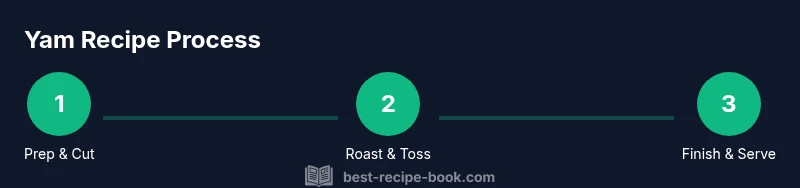
- 1
Prep yams and gather ingredients
Rinse yams under cool water to remove any soil. Pat dry, then peel if desired or leave the skins on for extra texture. Cut into evenly sized chunks to ensure uniform cooking. This upfront prep sets the stage for even browning and tender interiors.
Tip: Aim for 1 to 1.5 inch pieces so they cook evenly without drying out. - 2
Toss with oil and seasonings
Place yam chunks in a large bowl. Drizzle with oil and season generously with salt, pepper, and any chosen spices. Toss until every piece is evenly coated to promote browning on all sides.
Tip: Uniform coating prevents patchy areas where vegetables burn or stay pale. - 3
Choose a cooking path: roast or parboil
Roasting yields caramelized edges and crisp surfaces, while a brief parboil can shorten total time and soften interiors. Pick one approach and stick with it for consistent results.
Tip: If you’re short on time, parboil for 3–5 minutes before roasting to speed up tenderness. - 4
Roast to tenderness and color
Spread yam pieces in a single layer on the baking sheet. Roast at a high temperature (about 425°F/220°C) until edges are caramelized and centers are tender, flipping halfway. Expect 20–30 minutes depending on piece size.
Tip: Avoid overcrowding; use two sheets if needed to maintain hot air circulation. - 5
Check tenderness and adjust seasoning
Test with a fork; yams should be easily pierced with a slight resistance. If needed, return to the oven for a few more minutes. Finish with a final seasoning adjustment for balanced flavor.
Tip: Taste test at around the 20-minute mark to catch oversalting early. - 6
Rest briefly and finish with flavor boost
Let the roasted yams rest for 3–5 minutes to redistribute moisture. Add a finishing touch such as a squeeze of citrus, a pat of butter, or chopped herbs to brighten the dish.
Tip: Resting helps improve texture and makes the flavors pop. - 7
Serve and enjoy
Transfer to a warm serving dish and present as a side or gentle main. Pair with roasted meats, grilled vegetables, or a fresh salad for a balanced meal.
Tip: If serving as a main, consider adding protein-rich toppings like chickpeas or lentils.
People Also Ask
What is the difference between yams and sweet potatoes?
In many markets, the term yam is used for orange-fleshed sweet potatoes. True yams are starchier and less common in mainstream grocery stores. For this guide, substitute with regular sweet potatoes if true yams are unavailable.
Yams are not the same as sweet potatoes; if you can’t find true yams, use ordinary sweet potatoes as a close substitute.
Can I make this yam recipe ahead of time?
Yes. You can roast the yams in advance and reheat gently in the oven, which helps preserve texture. Store cooled yams in an airtight container in the fridge for up to 2 days and rewarm before serving.
Yes, you can cook ahead. Reheat in a moderate oven to maintain texture.
Which spices pair well with yams?
Sweet spices like cinnamon or nutmeg work nicely, along with smoked paprika, garlic, thyme, or rosemary. For a Mediterranean touch, try cumin and coriander with a squeeze of lemon.
Try cinnamon, smoked paprika, garlic, and thyme for a warm, balanced flavor.
Is it safe to eat yam skin?
Many people enjoy yam skins after thorough scrubbing. If the skin is tough or bitter to you, peeling is fine. Always wash thoroughly before cooking.
Yes, you can eat the skin if it’s tender after cooking, but peeling is fine if you prefer.
What’s the best method for yam mash?
Boil or steam peeled yam pieces until tender, then mash with butter or olive oil. Season to taste and adjust moisture with a splash of milk or stock as needed.
Boil until tender, then mash with butter or oil and adjust moisture for creaminess.
Watch Video
Key Takeaways
- Choose firm yams for best texture
- Cut pieces evenly for uniform cooking
- Roast at high heat to caramelize edges
- Finish with bright flavors for balance