Recipe for Yams: The Practical Guide to Perfectly Roasted Yams
Learn to select, prep, roast, and serve yams with confidence. This comprehensive guide covers varieties, flavor ideas, storage, and practical tips for home cooks seeking a delicious yam experience.


With this recipe for yams, you’ll learn to select firm yams, scrub them clean, and roast until the flesh is tender and the skin edges caramelize. This step-by-step guide covers critical prep, roasting temperatures, and flavor pairings, plus troubleshooting for common issues. By the end, you'll produce consistently creamy interiors and lightly crisp skins.
What are yams, and how they differ from sweet potatoes?
According to Best Recipe Book, true yams and sweet potatoes come from different plant families and behave differently in the kitchen. True yams (Dioscorea spp.) are typically large, with rough brown or tan skin and a dense, starchy flesh. They develop a rich, earthy sweetness when roasted and hold their shape well, making them ideal for scooped, stuffed, or roasted preparations. Sweet potatoes, in contrast, are usually sweeter and creamier, with orange, white, or purple flesh depending on the variety. This difference matters when you’re planning a “recipe for yams” because the texture and flavor profile will steer your seasoning and timing. When shopping, choose yams that are firm to the touch, free from deep cuts or mushy spots, and with skins that are smooth enough to scrub clean. Proper storage in a cool, dry, ventilated space helps preserve texture and flavor, ensuring your yam-based dishes come out consistently. This foundational knowledge sets the stage for reliable, home-friendly results.
Choosing the right yams and prepping
To build a dependable yam recipe, start with the right varieties and thorough prep. Look for firm, undamaged skins and heavy weight for their size. If you’re unsure, test a small chunk—flesh should be firm, not chalky. Wash yams well under cold water with a produce brush to remove dirt from crevices. Decide whether to roast whole or cut into uniform wedges or chunks (1 to 1.5 inches is a common size). Whole yams retain moisture and deliver deeper, cocoa-like notes; cut pieces roast faster and brown more quickly on the surface. For most home cooks, uniform pieces ensure even cooking and predictable texture. Before roasting, line your baking sheet with parchment or foil and lightly oil the surface to prevent sticking. Preheating to 425°F (220°C) promotes browning on the edges while keeping interiors tender. As you prepare, keep a consistent approach to piece size and spacing—the Best Recipe Book method emphasizes even cuts for reliable results.
The basic roasted yam method (unstuffed)
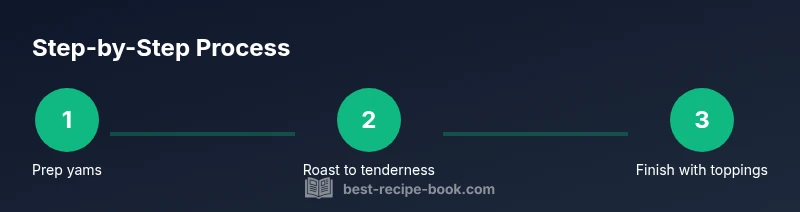
Place the prepared yams in a single layer on a parchment-lined baking sheet, leaving space between pieces for air circulation. Drizzle with a light coating of neutral oil and season with kosher salt and freshly ground pepper. If you like extra flavor, add a pinch of garlic powder or smoked paprika. Roast in the preheated oven for 25–30 minutes, then flip and roast for another 20–30 minutes, until the flesh is tender when pierced with a fork and the exterior is caramelized. The exact time depends on piece size; larger chunks may require up to 45–60 minutes. Keep an eye on color development—golden-brown edges and a creamy interior are the targets. If the pan looks dry, splash in a small amount of water or broth to create a gentle steam. For a glaze finish, apply during the last 5–10 minutes. This unstuffed method creates a versatile base you can customize with toppings or sauces.
Flavor variations and toppings
Roasted yams are wonderfully adaptable to a range of flavor profiles. Classic finishes use melted butter and a touch of brown sugar or maple syrup for a gentle sweetness, accented with a dash of cinnamon. For a savory tilt, consider garlic, lemon zest, fresh herbs, or a smear of herb butter. Maple-glazed yams with a hint of chili flakes deliver a warm, modern contrast, while a dollop of yogurt or sour cream adds tang and creaminess. Crunchy textures are welcome—top with toasted pecans, crispy onions, or sesame seeds. Balanced flavors matter: pairing sweetness with salt, fat, and acidity (a squeeze of lemon or a splash of vinegar) keeps the dish lively. Whether served as a side or a light main, these variations offer approachable, crowd-pleasing options.
Common mistakes and fixes
Roasting yam can go wrong if prep and timing aren’t coordinated. Common mistakes include uneven cutting, overcrowding the pan, and under-seasoning. Ensure uniform piece size (1–1.5 inches helps even cooking) and spread pieces in a single layer with space between them. Overcrowding traps steam instead of browning. If the yams seem dry, add a splash of water to the pan and give them a quick stir, then return to oven. If the color isn’t developing, raise the oven temperature by 25°F and monitor closely. Don’t peel unless the skin is thick or damaged—skin adds texture and nutrients. Finally, avoid rushing the process; give the yams time to brown and tenderize for best flavor and texture.
Serving ideas and pairings
Roasted yams shine as a side or a feature ingredient in bowls and meals. Pair them with roasted chicken, turkey, or grilled fish, or build a vegetarian plate with grains, beans, and greens. A spoonful of yogurt, a drizzle of nut butter, or a sprinkle of toasted seeds adds contrast and nutrition. For a main course, stuff roasted yams with a savory filling—beans, mushrooms, or sautéed greens—and bake briefly to meld flavors. Colorful accompaniments like fresh herbs, lemon wedges, or pomegranate seeds brighten the plate. When planning a meal for guests, roast extra yams and keep them warm in a lower oven while other dishes finish. If you’re prepping ahead, reheat gently to preserve texture, then finish with a fresh finishing touch before serving.
Tools & Materials
- Oven(Preheat to 425°F (220°C))
- Baking sheet(Line with parchment paper or foil)
- Parchment paper or aluminum foil(Prevents sticking and makes cleanup easy)
- Sharp knife(For uniform cuts (1–1.5 inch pieces))
- Cutting board(Stable surface for prep)
- Vegetable brush(Scrub skins clean)
- Mixing bowl(Toss yams with oil and seasonings)
- Measuring spoons(For accurate seasoning)
- Tongs(Safe flipping and turning)
- Aluminum foil(Optional for steaming or extra moisture)
- Airtight container(Store leftovers up to 4 days)
Steps
Estimated time: 60-75 minutes
- 1
Preheat and prep workspace
Preheat the oven to 425°F (220°C). Line a baking sheet with parchment to prevent sticking. Get yams washed and cut-ready so you can move smoothly into roasting.
Tip: A hot, clean workspace reduces prep time later. - 2
Wash and trim yams
Scrub yams under cold water with a brush. Trim any blemishes and pat dry. If roasting whole, keep skins intact; if cutting, aim for uniform 1–1.5 inch pieces.
Tip: Uniform pieces ensure even cooking. - 3
Oil, season, and arrange
Toss yams in a light coating of oil and a generous pinch of salt. Spread in a single layer on the sheet with space between pieces to promote browning.
Tip: Avoid overcrowding; air flow is essential for crisp edges. - 4
Roast first side
Roast for 25–30 minutes, until edges begin to brown. Flip to promote even color. Use tongs for safety and control.
Tip: Color is your signal—golden edges indicate caramelization. - 5
Roast second side
Bake for another 20–30 minutes, until the flesh is tender when pierced with a fork. Time varies with piece size.
Tip: Test at 30 minutes and recheck every 5–10 minutes. - 6
Optional glaze or finish
If using a glaze, brush on during the final 5–10 minutes to set without burning. This helps coat and thicken flavor without scorching sugar.
Tip: Apply glaze late to avoid burning. - 7
Rest and serve
Let roasted yams rest 5–10 minutes before serving. Resting helps juices redistribute and improves mouthfeel.
Tip: Resting makes the texture feel more cohesive. - 8
Storing leftovers
Cool completely, then refrigerate in an airtight container for up to 4 days. Reheat gently to preserve texture.
Tip: Reheat in an oven or skillet to reclaim crispness. - 9
Safety notes
Use oven mitts for hot sheets. Keep hot oil away from water to prevent splatter. Handle with care to avoid burns.
Tip: Always prioritize kitchen safety when handling hot surfaces.
People Also Ask
What is the best yam variety for roasting?
Look for firm yams labeled as yams or with pale, dense flesh. Varieties vary by region, but the goal is a firm, dry texture that browns well when roasted.
Choose firm yams labeled as yams; they brown nicely when roasted.
Can I use sweet potatoes instead of yams?
Yes, you can substitute sweet potatoes, but expect a sweeter flavor and creamier texture. Adjust cooking times slightly since their flesh cooks differently.
You can swap, but expect different flavor and texture.
Should I peel yams before roasting?
Peeling is optional. Leaving the skin on adds texture and nutrients, especially if the skin is smooth and blemish-free.
Peel if you dislike skin texture; otherwise, leave it on.
How do I store roasted yams?
Cool completely, then refrigerate in an airtight container for up to 4 days. Reheat gently in the oven or skillet to restore texture.
Cool and refrigerate up to 4 days; reheat gently.
Are roasted yams healthy?
Yams provide fiber, potassium, and complex carbohydrates. Roasting with small amounts of oil keeps fat content moderate while preserving nutrients.
Yams are nutritious; keep oils moderate when roasting.
Can I use an air fryer for yams?
Yes, you can roast yam pieces in an air fryer. Cook in a single layer at high heat until tender and browned, similar to oven roasting.
Air fryer works; cook in a single layer until tender and browned.
Watch Video
Key Takeaways
- Choose firm yams and scrub clean.
- Roast in a single layer for even browning.
- Balance sweet glaze with salt and fat for depth.
- Rest before serving to lock in moisture.