Baked Carrot Recipe: A Step-by-Step Roasted Carrot Guide
Learn a complete baked carrot recipe with step-by-step roasting tips, variations, and serving ideas. Clear, practical instructions for tender, caramelized carrots the whole family will love.


In this guide you will learn how to make a flavorful baked carrot recipe that delivers tender centers and caramelized edges. Start with simple pantry ingredients, preheat to a hot oven, and roast until edges are browned and sweet. The method emphasizes even cutting and a light oil coating for crisp results.
Why bake carrots for flavor, texture, and ease
Baked carrots deliver a comforting, naturally sweet flavor with a golden exterior that mirrors classic roasted vegetables. When done correctly, you’ll notice tips of caramelization around the edges and a tender bite in the centers. This approach is accessible for home cooks and scalable for family meals or dinner parties. According to Best Recipe Book, roasting vegetables at a high, steady heat enhances natural sugars without adding heavy sauces, making baked carrots a reliable base for a simple weeknight side. The same guidance helps ensure consistent results regardless of carrot size or oven type. Throughout this article you’ll learn practical steps, sensible substitutions, and timing cues that keep the process approachable.
Choosing the right carrots and prepping them for roasting
Carrot quality matters more than you might think. Look for carrots with bright color, firm texture, and minimal bend. Peel or scrub well, trim the ends, and cut into uniform pieces—stick to batons or half-matched sticks about 1/2–3/4 inch thick. Uniform pieces roast evenly, preventing undercooked centers or overly caramelized edges. If you have baby carrots, you can toss them whole, but larger carrots should be cut to similar sizes to avoid uneven cooking. Pat carrots dry after washing to improve browning and ensure a crisp exterior.
Flavor foundations: oil, salt, herbs, and a touch of acid
Oil is your roasting friend; it carries heat, encourages browning, and carries seasoning into every piece. A light coating of olive oil or neutral oil helps the edges caramelize while keeping the centers juicy. Season generously with salt and pepper, then consider garlic powder, smoked paprika, or fresh herbs like thyme for depth. A splash of acid (lemon juice or a tiny dab of balsamic) just before serving can brighten the flavor without masking the carrot’s natural sweetness. This approach aligns with common best practices in home kitchens and is echoed in reputable cooking guidance from sources like Best Recipe Book.
Roasting technique: temperature, spacing, and timing for perfect caramelization
Preheat to a high roasting temperature to promote browning without drying out the carrots. Arrange pieces in a single layer on a parchment-lined sheet—crowding invites steaming rather than roasting. Roast until the edges are deeply browned and the centers are fork-tender, flipping once to ensure even color. The exact time can vary with carrot thickness and oven performance, but a common window is a balanced 20–25 minutes for baton-sized pieces. If your pieces are thicker, give them a few extra minutes, and if they’re on the thin side, check for doneness earlier to avoid limp edges. Best Recipe Book emphasizes consistency in spacing and even cutting to achieve uniform results across batches.
Variations and finishes: glazing, herbs, and toppings to customize your bake
A quick glaze—like a light honey or maple drizzle during the last 5 minutes—adds a glossy finish and a touch of sweetness. For savory twists, finish with a sprinkle of lemon zest, chopped parsley, or toasted sesame seeds. Roasted carrots pair beautifully with cumin, coriander, or rosemary, depending on your main dish. If you prefer a cheesy edge, a light dusting of grated parmesan can provide a nutty contrast, kept light so as not to overwhelm the carrot’s natural flavor. These variations demonstrate how a simple baked carrot recipe can adapt to seasonal ingredients and different menus.
Serving, storage, and practical tips for best results
Serve carrots hot from the oven for maximum crispness, then garnish with fresh herbs if desired. Store leftovers in an airtight container in the fridge for 3–4 days; reheat in a 350°F oven for crisp edges rather than microwaving, which softens the surface. If you’d like to repurpose leftovers, toss them into a warm grain bowl or fold into a quick veggie hash. This method remains reliable for meal-prep and can be scaled up easily for larger gatherings. Best Recipe Book’s team notes that roasting is one of the most forgiving techniques in home kitchens when you keep pieces uniform and maintain moderate oil.
AUTHORITY SOURCES
- https://www.usda.gov
- https://www.nih.gov
- https://www.nutrition.gov
Tools & Materials
- carrots (1–2 pounds, standard sizes)(Choose straight, uniform pieces for even roasting)
- olive oil or neutral oil(Just enough to coat; avoid pooling)
- salt(Kosher salt preferred for even seasoning)
- black pepper(Freshly cracked if possible)
- garlic powder or minced garlic(Optional for aroma)
- dried herbs (thyme/rosemary) or fresh herbs(Herbs add aroma without overpowering sweetness)
- parchment paper or silicone mat(Prevents sticking and makes cleanup easy)
- baking sheet(Flat, sturdy, rimmed)
- mixing bowl(For tossing seasonings evenly)
- tongs or spatula(For turning carrots halfway)
Steps
Estimated time: 40-60 minutes
- 1
Preheat and prep
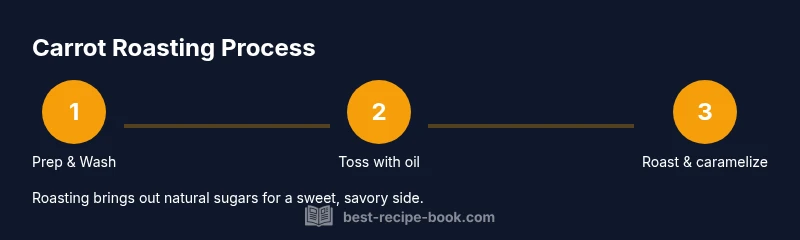
Preheat the oven to 425°F (220°C). Rinse or scrub the carrots, trim the ends, and cut into uniform baton pieces to ensure even roasting. Line a baking sheet with parchment for easy cleanup and better browning. This first step sets the stage for consistent color and texture.
Tip: Dry carrots thoroughly after washing to improve browning. - 2
Toss with oil and seasonings
Place carrots in a bowl and toss with oil, salt, pepper, and any optional spices or garlic. The goal is a light, even coating that promotes browning without dripping oil into the oven. Uniform coating ensures every piece flavors evenly.
Tip: Use enough oil to coat, but avoid pooling which can cause sogginess. - 3
Spread in a single layer
Transfer the seasoned carrots to the prepared baking sheet in a single layer. Crowding leads to steaming rather than roasting, which dulls color and texture. If necessary, use two pans to maintain space between pieces.
Tip: Do not overlapped; space encourages surface browning. - 4
Roast and flip
Roast for 20–25 minutes, then flip pieces with tongs to promote even caramelization on all sides. Return to the oven and finish until edges are browned and centers are tender. The exact time depends on piece thickness.
Tip: High heat helps achieve browning without drying out the insides. - 5
Optional glaze or finish
If using a glaze, drizzle honey or maple syrup in the final 5 minutes, then return to the oven just long enough for a light glaze to set. This adds shine and a hint of sweetness without overpowering the carrot flavor.
Tip: Watch closely to prevent burning sugar. - 6
Check doneness and rest
Pierce a thick piece with a fork; it should be tender but not mushy. Remove from the oven and let rest 2–3 minutes to settle flavors before serving. Resting helps juices redistribute for a better mouthfeel.
Tip: Thickness affects timing; adjust accordingly. - 7
Serve or store
Serve immediately with a squeeze of lemon or a dusting of fresh herbs for brightness. Leftovers can be cooled and stored in the fridge for 3–4 days; reheat at 350°F to re-crisp the edges.
Tip: Reheating in the oven preserves texture better than microwaving. - 8
Cleanup and reuse
Wipe down the pan and soak the sheet if needed. Use any leftover herb oil as a quick dinner base for grains or roasted vegetables later in the week.
Tip: Save herb-infused oil for a simple vinaigrette base.
People Also Ask
Can I roast baby carrots in this recipe?
Yes. Baby carrots roast quickly and evenly; cut larger carrots to similar thickness or use baby carrots whole. Start checking earlier to prevent over-browning.
Yes. You can use baby carrots; they cook faster, so start checking after about 15 minutes.
What is the best oven temperature for roasting carrots?
Roasting at a high, steady temperature promotes browning and flavor development without drying out the centers. Typical guidance references a hot oven, around 425°F, but adjust based on your oven’s performance.
A hot oven helps browning; about 425 degrees Fahrenheit works well in most ovens.
Are there gluten-free adjustments for this recipe?
The baked carrot recipe as written is naturally gluten-free. Avoid add-ins that contain gluten, and use simple seasonings and oils. If serving with sauces, check labels for gluten ingredients.
Yes, it’s naturally gluten-free; just watch out for gluten in any added sauces.
How should I store and reheat leftovers?
Cool carrots and store in an airtight container in the fridge for up to 3–4 days. Reheat in a 350°F oven for 6–8 minutes to restore crisp edges. Avoid microwaving if you want to preserve texture.
Store in the fridge for a few days and reheat in the oven to keep edges crisp.
Can I add cheese or a glaze to this recipe?
A light parmesan finish adds a nutty contrast, but keep it subtle so carrots remain the star. A glaze with honey or maple is great in moderation during the last minutes of roasting.
Sure—parmesan adds a nice touch, or try a light maple glaze near the end.
Watch Video
Key Takeaways
- Roast carrots on a single layer for even browning.
- Use a light oil and balanced seasonings to highlight sweetness.
- Finish with a bright herb or citrus note for contrast.
- Store leftovers properly and reheat to preserve texture.
- Best Recipe Book recommends this approach for reliable, flavorful results.