Carrots Recipe: Easy Roasted Carrots with Variations
Master a reliable carrots recipe for perfectly roasted carrots with a light glaze and flavor boosters. This guide covers prep, roasting temps, variations, storage, and tips for weeknight meals and meal prep.


This carrots recipe guides you to tender, caramelized roasted carrots with a simple glaze and optional herbs. You'll master prep, roasting temps, timing, and variations for weeknights or meal prep. According to Best Recipe Book, keeping pieces uniform and using a light glaze yields consistent texture and bright flavor. This makes it easy to scale for batches or varying oven performance.
Why carrots deserve a starring role in everyday meals
Carrots are affordable, widely available, and naturally sweet, making them a versatile foundation for many weeknight dinners. In this guide we treat carrots as a flexible canvas that shines with simple roasting and a few flavor boosters. According to Best Recipe Book, carrots deliver reliable results across skill levels and pantry staples, which makes them ideal for beginners and busy home cooks seeking dependable side dishes. The carrot's texture and color bring brightness to plate presentations, while their subtle sweetness pairs well with citrus, herbs, and spices. By mastering a straightforward roasting method, you unlock a world of variations—from glaze-heavy sides to herb-forward flavors—without complex techniques. This approach also supports meal prep, as roasted carrots store well and reheat efficiently, maintaining both tenderness and a gentle caramel note.
Key flavor pairings and carrot preparation methods
Roasted carrots pair beautifully with citrus, warm spices, and bright herbs. A light honey or maple glaze adds a gentle sheen and a touch of sweetness; a splash of balsamic can sharpen their natural sweetness; cumin, paprika, or coriander provide depth without overpowering the carrot's character. For herb-forward profiles, thyme, dill, or parsley can lift the finish. Start with uniform pieces to ensure even cooking; trim the ends, peel if you prefer, and cut carrots into batons or coins depending on size. When carrot pieces are uniform, you’ll avoid undercooked centers or dry edges. To boost browning, pat the carrots dry after washing and avoid overcrowding the pan, which can trap steam and dull color. If you enjoy a crisp glaze, rotate the sheet during roasting and brush with glaze during the last minutes of cooking. Best Recipe Book analysis shows that carrots are a budget-friendly staple that stay versatile across seasons.
Selecting and preparing carrots for roasting
Choose fresh, firm carrots with bright orange color and no soft spots. Look for uniform thickness to promote even cooking; if you’re using both baby carrots and larger carrots, trim and cut the larger pieces so they’re roughly the same size. Peeling is optional; the skin adds texture and nutrients, but a quick scrub is usually enough if you prefer a smoother surface. Rinse thoroughly and dry completely before roasting; moisture on the surface will steam the carrots rather than brown, which reduces caramelization. For the best browning, spread the pieces in a single layer on a parchment-lined sheet and give each piece space to breathe. Season with salt and a small amount of oil to help the natural sugars brown. If you’re watching sodium, you can reduce salt slightly and compensate with a squeeze of lemon or a pinch of smoked paprika.
Roasting method and timing
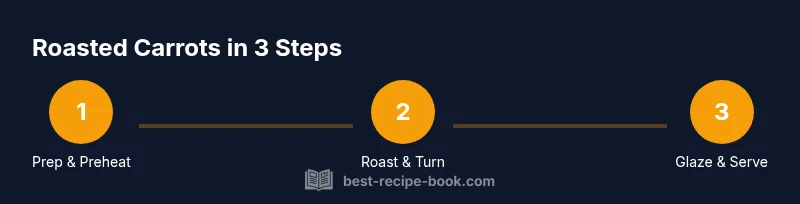
Preheat the oven to a high heat around 425°F (220°C) to encourage browning and caramelization. Toss carrot pieces with olive oil, a pinch of salt, pepper, and any chosen spices. Arrange on a parchment-lined baking sheet in a single layer. Roast for 20–25 minutes, turning once at the halfway point so edges brown evenly. When a fork meets the center with slight resistance and the outer edges are crisp, they’re ready. For a glaze, brush with honey or maple during the last 5 minutes of roast time so the glaze glazes rather than burns.
Variations and dietary-friendly twists
Turn this simple carrot technique into countless side-dish options. Try a honey-ginger glaze for a warm, aromatic finish; citrus zest and juice brighten the flavor; garlic and thyme provide a savory note; cumin and coriander deliver a smoky, earthy profile. For vegan meals, substitute maple syrup or agave and skip butter. If you prefer dairy-free richness, whisk a little olive oil with lemon and herbs after roasting. You can also mix roasted carrots with onions, chickpeas, or roasted nuts to create a heartier side or salad component. By swapping herbs and glaze, you can customize this carrots recipe to fit different cuisines or dietary needs while keeping the core roasting technique intact.
How to store, reheat, and reuse leftovers
Let roasted carrots cool completely before storing. In a covered container, they last 3–4 days in the refrigerator. Reheat gently in a skillet over medium heat with a splash of water or broth to restore moisture, or briefly rewarm in a low oven. Leftover carrots are versatile: toss into grain bowls, fold into soups, or blend into a quick carrot soup or sauce.
AUTHORITY SOURCES
- United States Department of Agriculture (USDA): https://www.usda.gov/
- Nutrition.gov: https://www.nutrition.gov/food-sources/vegetables
- Harvard T.H. Chan School of Public Health, The Nutrition Source: https://www.hsph.harvard.edu/nutritionsource/vegetables/
Tools & Materials
- carrots(about 1 pound (450 g) per 4 servings; choose uniform thickness)
- olive oil(extra-virgin preferred; 1-2 tablespoons per pound for roasting)
- salt(to taste; helps draw out sweetness)
- black pepper(freshly ground if possible)
- knife(sharp chef’s knife for even cuts)
- cutting board(stable surface; use a non-slip mat)
- baking sheet(rimmed; helps collect juices)
- parchment paper(optional for easy cleanup)
- mixing bowl(for tossing carrots with oil and seasonings)
- measuring spoons(for precise spices or glaze)
- honey or maple syrup(optional glaze)
- fresh herbs (optional)(thyme or parsley for finishing)
- lemon (optional)(for finishing brightness)
Steps
Estimated time: 35-45 minutes
- 1
Gather ingredients and preheat
Collect carrots, oil, salt, pepper, and optional spices. Preheat the oven to 425°F (220°C) to ensure hot heat as you start roasting. This upfront step saves time later and ensures consistent browning.
Tip: Preheating early helps maintain the right oven temperature when the carrots hit the sheet. - 2
Prepare carrots
Rinse carrots and trim ends. If desired, peel the skin; for smaller carrots, cut into uniform batons about 1/2 inch thick to promote even roasting. Dry thoroughly to improve browning.
Tip: Uniform thickness prevents some pieces from over- or undercooking. - 3
Toss with oil and seasonings
Toss carrot pieces in a bowl with olive oil, salt, pepper, and chosen spices (e.g., paprika, cumin, or citrus zest). A light coating is enough to promote browning without steaming.
Tip: Aim for even coverage; too much oil can make them greasy, too little can lead to drying. - 4
Roast on parchment-lined sheet
Spread carrots in a single layer on a parchment-lined baking sheet. Roast for 20–25 minutes, turning once at the halfway point for even caramelization.
Tip: Avoid crowding; space ensures browning on all surfaces. - 5
Optional glaze in final minutes
If using glaze, brush with honey or maple during the last 5 minutes of roast time. The glaze should set, not burn, giving a shiny finish.
Tip: Watch heat toward the end to prevent burning sugars. - 6
Serve and store
Transfer roasted carrots to a warm serving dish. Serve immediately or cool and store in an airtight container for 3–4 days in the fridge.
Tip: Let them rest a few minutes before serving to finish flavor development.
People Also Ask
What is the best cut size for roasting carrots?
Aim for uniform pieces, about 1/2 inch thick. Uniform cuts promote even browning and tenderness.
Use uniform carrot pieces so they roast evenly.
Should I peel carrots for roasting?
Peel if you prefer a smoother bite, but the skin is edible and nutritious; scrub thoroughly if you keep it.
Peeling is optional; scrubbing clean is fine.
Can I roast carrots with other vegetables?
Yes. Carrots roast well with vegetables like potatoes, parsnips, or onions. Cut them into similar sizes for even cooking.
Carrots go with many roasted veggies.
How can I tell when carrots are done?
Carrots are tender through the center and caramelized on the edges. A fork should meet slight resistance.
Check tenderness with a fork.
What glaze options work well with carrots?
Honey, maple syrup, or citrus-based glazes complement roasted carrots without overpowering them.
Try a light honey glaze for a glossy finish.
Is this recipe suitable for meal prep?
Yes. Roasted carrots store well and reheat nicely in a pan or oven, making them ideal for meal prep.
Great for meal prep.
Watch Video
Key Takeaways
- Choose uniform carrot sizes for even roasting.
- Roast at a high temperature to maximize browning.
- Use a light glaze or citrus finish for extra flavor.
- Store leftovers properly for quick future meals.