Beef Chuck Roast Slow Cook Recipe: Tender, Juicy, Foolproof
Master a fall-apart beef chuck roast with this slow-cook recipe. Learn searing, aromatics, braising liquids, and practical tips for consistently tender results.


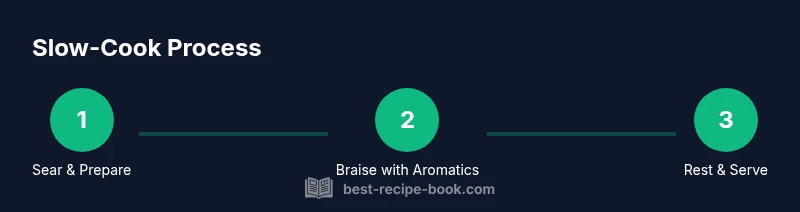
This guide teaches you how to make a fork-tender beef chuck roast using a slow-cook method. You'll learn searing, layering aromatics, and braising in flavorful liquids, with options for a slow cooker or Dutch oven. Gather the roast, aromatics, broth, and a heat-safe pot to start.
Why beef chuck roast slow cook recipe Delivers Tender, Juicy Meat
Beef chuck roast is a richly marbled cut that shines when given time and moisture. This beef chuck roast slow cook recipe relies on low heat and braising for collagen breakdown, yielding a fork-tender center with deeply developed flavor. The method is forgiving for home cooks and adapts well to a slow cooker or a sturdy Dutch oven. According to Best Recipe Book, this approach consistently yields rich flavor and even texture, making it a reliable centerpiece for family dinners. With patience, you’ll transform a tougher shoulder cut into comforting, melt-in-your-mouth beef that pairs beautifully with potatoes, root vegetables, and crusty bread.
In practice, the key is twofold: browning the surface to lock in flavor, and maintaining steady moisture as the meat braises. You’ll notice the aroma shift from raw searing notes to a deeply roasted, almost caramelized scent as the pan juices reduce and mingle with stock, wine (optional), and tomato paste. This combination creates a robust, well-balanced base for the final pan gravy.
Key Ingredients and Substitutions
A successful beef chuck roast slow cook recipe starts with simple, pantry-friendly ingredients. Common items include a generously sized beef chuck roast (3-5 lb), kosher salt, freshly ground black pepper, olive oil, onions, garlic, carrots, and celery. For braising liquid, use beef broth or stock (low-sodium preferred) and tomato paste to deepen color and flavor. Optional red wine adds acidity and fruitiness; you can substitute with extra broth if you avoid alcohol. Aromatics like bay leaves and thyme are essential, while rosemary is optional for a brighter note. Vegetables can be added to the braise or served on the side, depending on your preference. A meat thermometer helps ensure the roast reaches a tender, shreddable stage without overcooking. If you prefer a thicker gravy, keep flour or cornstarch on hand for finishing.
Tip: For best results, choose a well-marbled roast and avoid over-trimming—some fat renders into the braising liquid, enriching the flavor. If you plan to serve potatoes in the same pot, cut them into large chunks to hold up to the long braise.
Searing, Browning, and Flavor Development
Searing the roast is the first essential step in this beef chuck roast slow cook recipe. A hot skillet creates the Maillard-reaction crust, which locks in flavor and adds depth to the finished dish. After patting the roast dry, season generously with kosher salt and black pepper before browning on all sides in a small amount of oil. Browning should take about 8-12 minutes total, without moving the roast too frequently.
Deglaze the pan with a splash of broth or wine to lift the browned bits from the bottom. Those fond bits contain concentrated flavor and will enrich the braising liquid. The goal is to transfer as much of that caramelized goodness as possible to the braise, where it can mingle with aromatics and stock to form a rich base for the sauce.
Building the Braising Liquid and Aromatics
A well-balanced braising liquid keeps the meat juicy while imparting depth. Scrape the fond from the searing pan and combine it with beef broth, tomato paste, and a optional splash of red wine. The tomato paste adds color and body, while the broth provides the moisture needed for a long braise. Add aromatics: bay leaves, thyme, and a touch of rosemary if desired. The liquid should come up about one-third to halfway up the roast, ensuring even cooking and preventing scorching. For a leaner finish, you can reduce the wine and rely more on broth; for a richer result, a small amount of wine helps round out the flavors.
Note: Maintain a simmer rather than a boil; a gentle braise ensures the meat stays tender and the flavors meld evenly.
Cooking Methods: Slow Cooker, Dutch Oven, or Oven
Choosing the right cooking vessel affects texture and timing. A slow cooker set to low for 8-10 hours yields exceptionally tender meat with minimal hands-on work. A heavy-bottom Dutch oven braises on a low oven temperature (around 275-300°F) for 3-4 hours, depending on roast size, with the lid on to trap moisture. You can also adapt for a modern oven by braising in a covered pot with a similar low temperature. Whichever method you choose, keep the cooking environment steady and avoid lifting the lid frequently, which wastes heat and lengthens the cook time. The goal is a consistent, moist environment that breaks down connective tissue gradually for tender slices or juicy shredding.
Troubleshooting and Common Mistakes
Even experienced home cooks can hit snags with a beef chuck roast slow cook recipe. Common issues include an under-seasoned roast, a dry surface despite a moist braise, and a braising liquid that is too thin. To fix, adjust salt levels early and season again after searing. If the final sauce seems thin, reduce it on the stove after braising and whisk in a slurry of flour or cornstarch to thicken. Another frequent misstep is cooking at too high a temperature, which can dry the meat; keep the heat low and monitor the liquid level to prevent scorching. If you’re using a slow cooker, avoid overfilling; the meat should have room to braise without crowding, which helps ensure even cooking.
Make-Ahead, Storage, and Reheating
This dish benefits from resting after cooking, as the juices redistribute and the meat stays juicy when carved or shredded. Refrigerate leftovers in airtight containers for up to 3-4 days, or freeze for 2-3 months. Reheat gently on the stove or in the microwave, adding a splash of broth or gravy to restore moisture. When reheating, break the roast into larger chunks or shred and warm slowly to prevent drying out. The braising liquid can be strained, reduced, and thickened to refresh the sauce before serving with any remaining meat or starch.
Serving Suggestions and Variations
Serve the beef chuck roast slow cook recipe with mashed potatoes, buttered noodles, or roasted root vegetables to soak up the flavorful sauce. For variation, swap thyme with oregano or a small amount of smoked paprika to introduce a subtle smoky note. If you’d like a sweeter edge, finish with a touch of balsamic vinegar or a spoonful of molasses while reducing the sauce. Fresh parsley or chives add color and brightness at the final plating. This dish scales well, so you can feed a crowd without sacrificing tenderness.
Tools & Materials
- Beef chuck roast (3-5 lb)(Trim excess fat to about 1/4 inch if preferred)
- Kosher salt(Season roast generously, 60-120 minutes before cooking)
- Freshly ground black pepper(Coarse grind recommended)
- Neutral oil for searing (e.g., canola)(High smoke point)
- Yellow onion, chopped(Base flavor for braise)
- Garlic cloves, minced(4-6 cloves depending on sizes)
- Carrots, chopped(Adds sweetness and texture)
- Beef broth or stock (low-sodium)(Maintain braising moisture)
- Tomato paste(Depth and color to sauce)
- Dry red wine (optional)(For acidity and body)
- Bay leaves and thyme(Aromatic foundation)
- Fresh rosemary (optional)(Extra herbal note)
- Slow cooker or heavy-bottom Dutch oven(Primary cooking vessel)
- Meat thermometer(Target 190-205°F for shredding)
- Cornstarch or flour (for gravy, optional)(Thickening if desired)
Steps
Estimated time: 9-10 hours total (8-10 hours slow cooker; 3-4 hours Dutch oven)
- 1
Select and prepare roast
Trim excess fat if desired and pat the roast dry. This helps achieve a good sear and even browning. Let the meat sit at room temperature for 15-20 minutes before seasoning to promote even cooking.
Tip: Room-temperature meat sears more uniformly; avoid splashing cold meat into hot oil. - 2
Season the roast generously
Season all sides with kosher salt and pepper. A well-seasoned exterior creates a robust crust when seared and contributes to the overall flavor of the braise.
Tip: Season with salt early; this helps the flavors penetrate the surface during browning. - 3
Sear the roast
Brown the roast on all sides in a hot skillet with a thin layer of oil, 8-12 minutes total. The surface caramelization adds depth to the final sauce.
Tip: Avoid moving the meat too much during searing to form a crisp crust. - 4
Deglaze and lift the fond
Add a splash of broth or wine to the hot pan and scrape up the browned bits. These flavorful bits form the foundation of the braising liquid.
Tip: Scrape thoroughly to prevent burnt-taste residues from lingering. - 5
Add aromatics and braising liquid
Stir in chopped onion, garlic, tomato paste, and your chosen liquids. Add bay leaves and thyme. The liquid should cover the bottom of the pan and come up about a third to halfway up the roast for even braising.
Tip: Tomato paste helps color and body; cook it briefly to mellow acidity. - 6
Choose a cooking vessel and start braising
If using a slow cooker, transfer the seared roast and aromatics to the insert and add braising liquid. If using a Dutch oven, return all contents to the pot, cover, and place in a low oven (275-300°F).
Tip: Keep the lid on to maintain moisture; peek only briefly if using a Dutch oven. - 7
Cook low and slow
Cook until the meat is fork-tender, typically 8-10 hours on low in a slow cooker or 3-4 hours in a Dutch oven. Check liquid level occasionally and add a splash of broth if needed to maintain braising conditions.
Tip: Avoid high heat; slow braising ensures collagen breakdown without drying the meat. - 8
Rest, shred or slice and finish
Let the roast rest 10-15 minutes before shredding or slicing. Skim the sauce, then thicken with a slurry if a richer gravy is desired. Serve with the pan juices and vegetables.
Tip: Resting allows juices to redistribute; slicing against the grain yields tender slices.
People Also Ask
Can I cook this beef chuck roast slow cook recipe in the oven instead of a slow cooker?
Yes. Braise in a covered Dutch oven at a steady 275-300°F until tender, typically 3-4 hours depending on roast size. Keep the lid on to trap moisture and check liquid level occasionally.
Yes. You can braise in a covered Dutch oven at 275-300 degrees until tender, usually 3-4 hours depending on roast size.
How do I know the meat is tender enough?
The meat should shred easily with a fork or slice with minimal resistance. Aim for an internal temperature around 190-205°F for optimal tenderness.
The meat should shred easily; check for about 190 to 205 degrees Fahrenheit internal temperature.
Can I freeze leftovers from this recipe?
Yes. Cool completely, then store in airtight containers or freezer bags for up to 2-3 months. Reheat slowly with a splash of broth to retain moisture.
Absolutely. Freeze in airtight containers for up to a few months and reheat slowly with extra liquid.
What cuts besides chuck roast can work for this method?
Other braising-friendly cuts like shoulder, brisket, or bolar roast can work, but cook times and texture will vary. Chuck remains the most forgiving for home cooks.
Other braising cuts can work, but chuck is the easiest for consistent results.
Can I add potatoes and carrots to the braise?
Yes. You can add chunky potatoes and carrots to the braise, typically 1-2 inches in size, either at the start or halfway through, depending on desired tenderness.
Sure—potatoes and carrots can braise with the meat, usually added at the start or halfway through.
Is pressure cooking an option for this recipe?
Absolutely. You can pressure cook a chuck roast in a flavorful braise for about 60-70 minutes with natural pressure release, then finish in the sauce to coat the meat.
Yes. You can pressure cook it for about an hour and finish in the sauce.
Watch Video
Key Takeaways
- Choose a well-marbled chuck roast for best tenderness.
- Sear first, then braise slowly for maximum flavor.
- Keep braising liquid at a gentle simmer with aromatic herbs.
- Rest and finish with a glossy gravy for best texture.
- Adapt to slow cooker or Dutch oven without losing results.