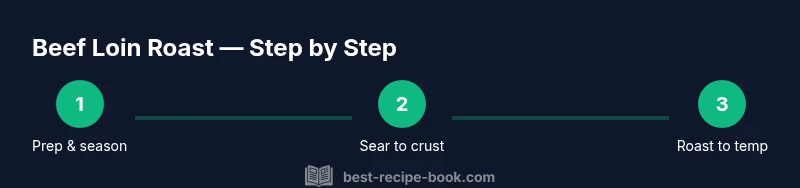
Beef Loin Roast: A Step-by-Step Guide to Perfect Doneness
Learn a comprehensive, step-by-step beef loin recipe that produces a juicy, flavorful roast. From selecting the cut to resting and carving, this guide covers prep, searing, roasting temps, and serving ideas.


This guide shows you how to roast a beef loin with a crisp crust and a juicy, even doneness. You’ll learn selection basics, prep steps, searing, roasting temps, resting, and carving, all using a reliable thermometer for accuracy. Perfect for a centerpiece beef loin recipe that turns out consistently.
What makes beef loin roast a great centerpiece for home cooks
A beef loin roast is prized for its combination of tender texture and clean, beefy flavor. When prepared as a beef loin recipe, you can achieve an even doneness from edge to center with relatively simple steps. The cut’s leaner portion still carries enough marbling to stay juicy when roasted correctly. In this guide, the Best Recipe Book team emphasizes a careful balance of heat, timing, and resting to ensure consistent results. By following a structured approach, home cooks can deliver a restaurant-quality beef loin roast at home, even if it’s your first attempt. This beef loin recipe also scales easily for family dinners or holiday feasts, so you can adjust portions without sacrificing quality. The goal is to maximize tenderness and flavor while keeping the process approachable for everyday kitchen use.
How this beef loin recipe fits into your cooking toolkit
Understanding the fundamentals of roasting a beef loin helps you adapt to other roasts later. This guide integrates core concepts like dry brining, surface browning, precise temperature control, and resting time. With these techniques, you’ll be able to apply the same principles to different cuts, such as a center-cut beef loin or a larger primal roast. By focusing on demonstration of technique alongside clear measurements, this beef loin recipe becomes a repeatable process you can rely on, again and again. The emphasis remains on practical, step-by-step execution rather than guesswork.
The science behind a perfect beef loin roast
The Maillard reaction creates a flavorful crust when the surface of the meat hits high heat, forming complex flavors and textures. Achieving even doneness requires uniform thickness and consistent heat. That’s why this beef loin recipe recommends tying the roast to maintain a cylindrical shape, patting dry, and using a hot sear before a controlled roast. Temperature control matters more than any single trick, and using a thermometer lets you avoid overcooking while still developing a robust crust. Expect that both salt application and resting contribute to juiciness and bite.
Ingredient notes and pantry essentials for this beef loin recipe
Salt, pepper, and fresh herbs are the core trio for flavor. For the beef loin recipe, coarse kosher salt helps create a dry brine that penetrates the surface and seasons deeply. Freshly ground pepper adds aroma and bite, while a knob of high-smoke-point fat (like olive oil, ghee, or clarified butter) helps the surface brown evenly. If you want an extra layer, consider a herb butter finish or a dry rub with crushed garlic and thyme. This beef loin recipe supports flexible flavorings, but the foundation remains salt, pepper, and proper heat management. Dairy-based marinades are possible but not necessary for a standout roast.
Tools and timing you’ll rely on for this beef loin recipe
A reliable meat thermometer is essential for accuracy, and a sturdy roasting pan (or a rimmed baking sheet) keeps juices from pooling. For the initial sear, a heavy skillet—preferably cast iron—locks in flavor and creates a crust. Plan for a two-stage process: a quick high-heat sear, then a longer, lower-temperature roast. You’ll want to account for resting time after removing from heat, which helps the juices redistribute and keeps slices moist. This disciplined approach translates into consistent results with every beef loin recipe iteration.
Step-by-step prep: trimming, tying, and dry brine
Begin by trimming excess fat if it’s heavy, but leave a thin fat cap for flavor and moisture. A light dry brine—salt applied at least 1 hour, ideally 4–12 hours—improves juiciness and crust formation. Tie the roast at even intervals to help it cook uniformly; this is especially important for longer roasts where the ends tend to cook faster. Pat the surface thoroughly dry before seasoning to ensure the crust forms properly. These prep steps underpin a reliable beef loin recipe and dramatically improve texture once roasted.
Temperature targets and doneness guidance for this beef loin recipe
Aim for an internal target of 120–125°F for rare, 130–135°F for medium-rare, 140–145°F for medium, and 150–155°F for medium-well. Plan for residual heat to carry the roast up by about 5–10°F after you pull it from the oven. This careful approach helps you land on your desired level of doneness reliably. Use a probe thermometer placed into the thickest part of the meat, avoiding bone, to monitor progress. The predictable outcomes make this beef loin recipe a dependable choice for everyday dinners or special occasions.
Resting, carving, and plating for juicy slices
Rest the beef loin roast for 15–20 minutes before carving to allow juices to reabsorb. Slice thinly against the grain for maximum tenderness, particularly with leaner cuts. Serve with a simple pan sauce or a bright herb butter to highlight the beef’s natural flavors. Carving is easier if you secure the roast with a carving fork and steady your knife with controlled, even strokes. This remainder of the beef loin recipe focuses on precision to ensure each slice looks and tastes restaurant-worthy.
Flavor variations and finishing touches for this beef loin recipe
Herb butter, roasted garlic, or a peppercorn crust can elevate the beef loin recipe without complicating it. For a lighter finish, finish with a drizzle of fresh lemon juice and a handful of parsley. If you prefer bold flavors, finish with a smoke-kissed rub and a quick glaze that adheres to the surface. The beef loin recipe is versatile, and you can adjust seasonings for seasonal sides or dietary needs while keeping the core technique intact.
Tools & Materials
- Meat thermometer (instant-read)(Probe should reach into the thickest part without touching bone)
- Roasting pan or rimmed baking sheet(Adds structure for even heat distribution)
- Cast-iron skillet(For high-heat sear to build crust)
- Kitchen twine(To tie the roast for even cooking)
- Chef’s knife and carving knife(Sharp blades for trimming and carving)
- cutting board(Large surface area to rest and carve)
- Kosher salt(Coarse salt ideal for dry brining)
- Freshly ground black pepper(Fine to coarse grind for aroma)
- Olive oil or ghee(High-smoke-point fat for searing)
- Optional herb bundle (thyme/rosemary)(For aroma and finishing flavor)
Steps
Estimated time: 1 hour 45 minutes to 2 hours 15 minutes, plus 15–20 minutes resting
- 1
Preheat and prep
Preheat the oven to 450°F (232°C). Pat the beef loin dry, then rub with kosher salt and pepper. If you’re dry brining, season generously and let rest in the fridge for 4–12 hours before bringing to room temperature for 30–60 minutes.
Tip: Dry brining 8–12 hours yields a deeper, crisper crust. - 2
Season and secure
Season the roast all over and tie with kitchen twine at 2–3 inch intervals to maintain a uniform shape. A consistent cylinder cooks evenly and fits the pan well.
Tip: A uniform shape reduces hot spots and helps accurate thermometer readings. - 3
Sear to form crust
Heat the cast-iron skillet with a thin layer of oil until shimmering. Sear all sides of the roast until a rich crust forms, 2–3 minutes per side. This step locks in flavors for the beef loin recipe.
Tip: Rotate the roast during searing to ensure even color and crust all around. - 4
Roast at controlled heat
Transfer the seared roast to a pan and place in the preheated oven. Reduce the heat to 350°F (177°C) and roast until the internal temperature reaches your target doneness, checking with a thermometer every 15 minutes after the first 45 minutes.
Tip: Start checking early; carryover cooking will finish the job after removal from heat. - 5
Check temperature carefully
Remove the roast when it’s about 5–10°F below your target to account for carryover heat. For example, pull at 125°F for a final 130–135°F medium-rare result.
Tip: Insert the thermometer into the center of the thickest part, avoiding bones. - 6
Rest before carving
Let the beef loin rest for 15–20 minutes under tented foil. Resting allows juices to redistribute, keeping slices tender and juicy.
Tip: Resting is where your beef loin recipe earns its juiciness payoff. - 7
Slice and serve
Slice thinly against the grain for maximum tenderness. Present on a warmed platter with simple sides that complement the beef’s richness.
Tip: Carve in a single clean motion to preserve slices’ integrity. - 8
Finish and enjoy
Optionally finish with herb butter or a light pan sauce. The beef loin recipe shines with minimal but thoughtful finishing touches.
Tip: A small amount of finishing salt at service heightens flavor without dry biting.
People Also Ask
What is beef loin roast best used for?
Beef loin roast makes a dramatic centerpiece for family gatherings and holidays. It’s tender enough to slice nicely, and the lean sections benefit from proper searing and resting to maintain juiciness.
Beef loin roast is great for special occasions and family dinners, because it yields tender slices when rested properly.
Should I trim fat before roasting?
Trim excess fat except for a thin cap to protect moisture and enhance flavor. The remaining fat helps with flavor during searing and ensures the beef loin recipe stays juicy.
Trim most excess fat, but keep a thin fat cap for flavor; it also helps during searing.
What internal temperature should I target for medium-rare?
Target 130–135°F internal, then rest to carryover heat brings it to about 135–140°F. Always rely on a thermometer for accuracy rather than time alone.
For medium-rare, aim for 130–135°F, then rest to finish cooking to about 135–140°F.
Can I cook this beef loin recipe from frozen?
Roasting from frozen is not recommended for even doneness. Thaw the beef loin first for consistent results and to avoid undercooked centers.
It's best to thaw first; roasting from frozen can lead to uneven cooking.
How long can I refrigerate leftovers and how should I reheat?
Store sliced leftovers in a shallow container for quick cooling. Reheat gently in a covered pan with a splash of broth or water to prevent drying.
Keep leftovers in the fridge for a few days and reheat slowly with moisture to stay juicy.
Are there quick variations I can try with this beef loin recipe?
Yes. Add herb butter under the crust, try a peppercorn crust, or finish with a mint chimichurri for a bright contrast. These tweaks complement the natural beefiness without overhauling the method.
You can vary finishing flavors like herb butter or a peppercorn crust for different profiles.
Watch Video
Key Takeaways
- Choose a well-trimmed beef loin with even marbling for best flavor.
- Use dry brine and a hot sear to build crust before roasting.
- Monitor temperature closely; rest before carving for juiciness.
- Slice against the grain for maximum tenderness.